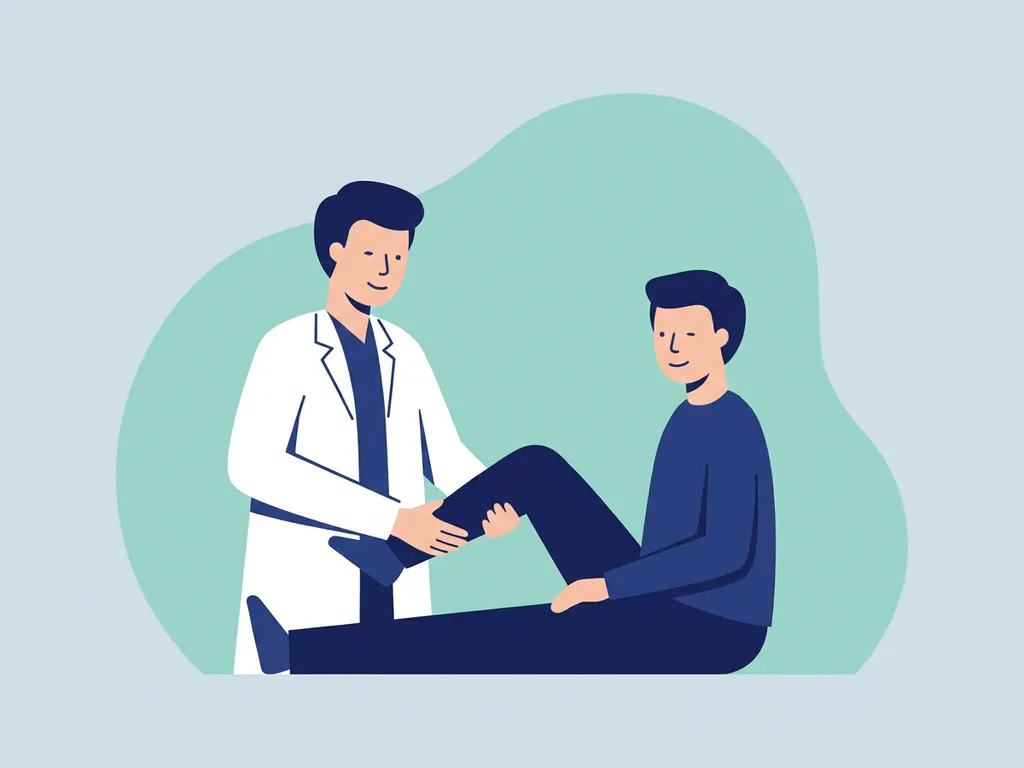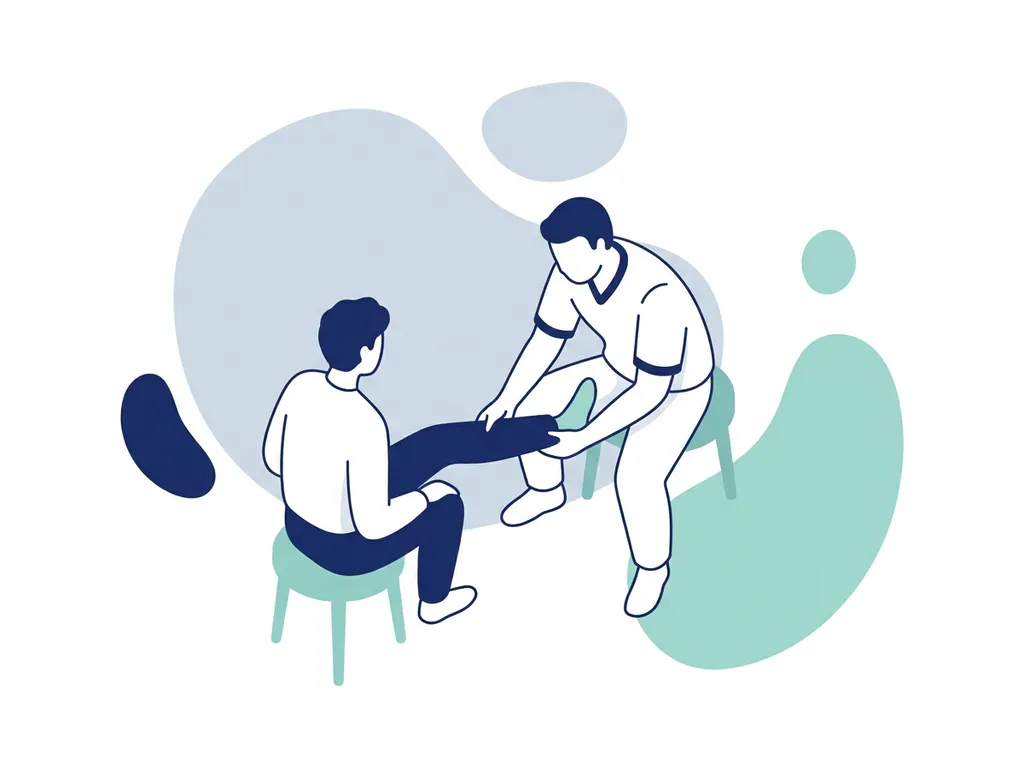
Stiffness after a hip or knee operation is a common and preventable complication — and physiotherapy is the most effective way to manage it. Starting guided movement early, both before and after surgery, significantly reduces the risk of lasting stiffness and speeds up your return to daily life. This article answers the most important questions about post-operative stiffness and how physiotherapy in Breda and the surrounding region can support your recovery.
Why does stiffness develop after hip or knee surgery?
Stiffness after hip or knee surgery develops because the body responds to surgical trauma by producing scar tissue and inflammation around the joint. When the joint is not moved regularly during the early recovery phase, this tissue tightens and restricts movement. The longer the joint remains inactive, the more difficult it becomes to restore a normal range of motion.
Several factors influence how much stiffness a patient experiences after surgery. These include the type of procedure performed, the patient’s physical condition before the operation, and how quickly guided movement begins afterward. People who were already dealing with reduced mobility before surgery tend to face a greater risk of stiffness, which is one reason preparation before the operation matters so much.
Swelling also plays a role. Fluid accumulation around the joint creates pressure that limits movement and signals the surrounding muscles to tighten protectively. This is a normal part of the healing process, but without proper guidance, patients may avoid movement out of fear of pain, which only worsens the stiffness cycle.
How soon after surgery should you start moving?
In most cases, movement should begin within the first 24 to 48 hours after a hip or knee replacement. Early mobilization, guided by a physiotherapist, is now considered standard best practice in post-operative care. Starting movement this early reduces swelling, prevents scar tissue from setting in, and helps restore circulation to the healing tissue.
This does not mean strenuous exercise. In the immediate post-operative phase, movement focuses on gentle joint mobilization, basic walking with support, and simple muscle activation exercises. The goal is to remind the body how to move without overloading the new joint.
The first few weeks after surgery are the most critical window for preventing long-term stiffness. Patients who receive structured physiotherapy guidance during this period consistently show better range of motion and faster functional recovery than those who rest passively and wait for the pain to pass on its own.
What exercises help prevent stiffness after a knee or hip operation?
The most effective exercises for preventing post-operative stiffness focus on restoring joint range of motion, activating surrounding muscles, and gradually increasing load capacity. A physiotherapist will tailor these to your specific surgery, but several exercise categories are commonly used in early rehabilitation.
- Ankle pumps and heel slides: Simple movements performed in bed or on a mat that keep circulation active and begin gentle knee or hip mobilization without weight-bearing stress.
- Straight leg raises: These activate the quadriceps without placing pressure on the knee joint, helping maintain muscle strength during the early healing phase.
- Seated knee bends: Gradually increasing the bend angle of the knee while seated helps restore flexion and prevents scar tissue from limiting movement.
- Supported walking: Short, structured walks with a walking aid encourage normal gait patterns and full joint movement from an early stage.
- Hip abduction exercises: For hip surgery patients, controlled sideways leg movements strengthen the hip stabilizers and support safe, balanced movement.
The key principle across all of these exercises is consistency over intensity. Short, frequent sessions throughout the day are more effective than a single long session. Your physiotherapist will monitor your progress and adjust the program as your joint becomes more capable.
How does physiotherapy in Breda support post-operative recovery?
Physiotherapy in Breda and the wider region offers structured, specialist-guided rehabilitation that addresses both the physical and psychological aspects of recovery after a hip or knee operation. A qualified physiotherapist provides hands-on treatment, a personalized exercise program, and the reassurance that your recovery is progressing as it should.
Post-operative physiotherapy typically combines manual therapy to reduce joint stiffness, progressive exercise therapy to rebuild strength and mobility, and education about what to expect at each stage of recovery. This combination is particularly important for patients who are uncertain whether their symptoms, such as swelling, clicking, or slow progress, are normal parts of healing or signs that something needs attention.
For people living in Tilburg, Goirle, or the broader region including Breda, access to specialized physiotherapy close to home makes it easier to attend sessions consistently, which is one of the strongest predictors of a successful recovery outcome.
Should you do physiotherapy before surgery to reduce stiffness risk?
Yes. Pre-operative physiotherapy, often called prehabilitation, meaningfully reduces the risk of post-operative stiffness by strengthening the muscles around the hip or knee before surgery takes place. Patients who enter an operation in better physical condition tend to recover faster, experience less pain, and regain mobility more quickly than those who have not prepared.
Prehabilitation focuses on building the muscular support around the joint, improving overall fitness, and familiarizing the patient with the exercises they will use after surgery. This means that when recovery begins, the body is not starting from zero. The muscles already know the movement patterns, and the patient already understands what is expected of them.
Beyond the physical benefits, preparing for surgery with the support of a physiotherapist also reduces anxiety. Patients who know what to expect and feel physically ready tend to approach surgery with greater confidence, which positively influences their attitude toward rehabilitation afterward.
When is post-operative stiffness a warning sign?
Post-operative stiffness is a warning sign when it is accompanied by increasing pain, significant swelling that does not reduce over time, warmth or redness around the joint, or a complete inability to bend or straighten the joint beyond a minimal range weeks after surgery. These symptoms may indicate complications such as infection, excessive scar tissue formation, or implant-related issues that require medical evaluation.
Some degree of stiffness and discomfort is entirely normal in the first weeks after a hip or knee replacement. The distinction lies in the direction of progress. Normal recovery shows gradual, week-by-week improvement in range of motion and reduction in swelling. When stiffness plateaus or worsens despite regular movement and physiotherapy, that is the point to consult your surgeon or specialist physiotherapist.
Patients often worry unnecessarily about sounds such as clicking or mild tightness, which are generally benign in the early stages. A physiotherapist can help you distinguish between expected recovery milestones and symptoms that genuinely warrant further investigation, giving you the clarity and confidence to stay committed to your rehabilitation.
Hoe Vief Leven helpt bij herstel na een heup- of knieoperatie
Vief Leven is een gespecialiseerde fysiotherapiepraktijk in Tilburg die mensen met heup- en knieklachten begeleidt, zowel voor als na een operatie. Of je nu uit Tilburg zelf komt of vanuit de regio Breda, bij Vief Leven staat een persoonlijke aanpak centraal, afgestemd op jouw specifieke situatie en hersteldoelen.
Wat Vief Leven biedt voor patiënten die stijfheid na een operatie willen voorkomen of aanpakken:
- Preoperatieve begeleiding om je lichaam optimaal voor te bereiden op de ingreep
- Postoperatieve fysiotherapie aan huis in de vroege herstelfase
- Oefentherapie in een state-of-the-art trainingsomgeving met luchtdruktechnologie
- Een datagedreven aanpak die je voortgang nauwkeurig bijhoudt en het programma tijdig aanpast
- Begeleiding via de Vief Methode: van persoonlijk behandelplan tot integratie in het dagelijks leven
Heb je recent een knieklacht of last van je heup na een operatie? Neem vandaag nog contact op en maak een afspraak voor een persoonlijk kennismakingsgesprek.
Veelgestelde vragen
How long does post-operative stiffness typically last after a hip or knee replacement?
Most patients experience significant stiffness during the first 6 to 12 weeks after surgery, with gradual improvement continuing for up to 12 months as scar tissue remodels and strength is rebuilt. The timeline varies depending on the type of surgery, your pre-operative condition, and how consistently you follow your physiotherapy program. Patients who begin guided rehabilitation early and attend sessions regularly tend to reach functional recovery milestones considerably faster than those who take a passive approach.
What can I do at home between physiotherapy sessions to prevent stiffness from setting in?
Short, frequent movement breaks throughout the day are one of the most effective things you can do between sessions — aim to perform your prescribed exercises 3 to 4 times daily rather than in one long block. Applying ice to the joint for 15 to 20 minutes after exercise can help manage swelling, while elevating the leg during rest periods reduces fluid build-up that contributes to tightness. Your physiotherapist will provide a home exercise program tailored to your stage of recovery, and following it consistently is just as important as attending your in-clinic appointments.
Is it normal to feel more stiff in the morning than during the rest of the day after surgery?
Yes, morning stiffness is extremely common after hip or knee surgery and is caused by reduced circulation and fluid pooling in the joint during sleep. It typically eases within 20 to 30 minutes of gentle movement and is not a cause for concern in the early weeks of recovery. Performing a few light mobilization exercises before getting out of bed — such as ankle pumps or gentle knee bends — can significantly reduce this morning stiffness and make your first steps of the day more comfortable.
Can I speed up my recovery by doing more exercises than my physiotherapist has prescribed?
Doing more than prescribed is one of the most common mistakes patients make and can actually set your recovery back rather than accelerate it. Overloading a healing joint triggers increased inflammation and swelling, which tightens the surrounding tissue and reduces your range of motion — the opposite of what you want. Trust the progressive structure your physiotherapist has designed; the program is deliberately paced to match the stages of tissue healing, and small, consistent steps forward will always outperform aggressive overtraining in the long run.
How do I know if I'm making enough progress in my rehabilitation, and what should I track?
The most reliable indicators of progress are gradual weekly improvements in your range of motion, a reduction in resting swelling, and an increasing ability to perform daily activities such as walking, climbing stairs, or getting up from a chair with less effort or discomfort. Many physiotherapists use standardized measurements — such as the degree of knee flexion or hip abduction range — to track these objectively over time. If you are unsure whether your progress is on track, ask your physiotherapist to explain your current benchmarks and what milestones you should expect to reach in the coming weeks.
Are there any lifestyle factors that can slow down recovery and worsen stiffness after surgery?
Yes — smoking, poor nutrition, inadequate sleep, and a sedentary lifestyle are all known to impair tissue healing and increase the risk of prolonged stiffness after joint surgery. Smoking in particular reduces oxygen delivery to healing tissue, which slows the remodeling of scar tissue and extends recovery time. Maintaining a balanced diet rich in protein and anti-inflammatory foods, staying well-hydrated, and prioritizing sleep are simple but meaningful steps that support your physiotherapy program and help your body recover as efficiently as possible.
When is the right time to start prehabilitation if I have a hip or knee operation scheduled?
Ideally, prehabilitation should begin 4 to 8 weeks before your scheduled surgery date to give your muscles enough time to build meaningful strength and endurance. Even 2 to 3 weeks of structured pre-operative physiotherapy has been shown to improve post-operative outcomes compared to no preparation at all. If your surgery is coming up soon, contact a physiotherapist as early as possible — they can design a program that fits your remaining timeframe and ensures you go into the operating room in the best possible physical condition.