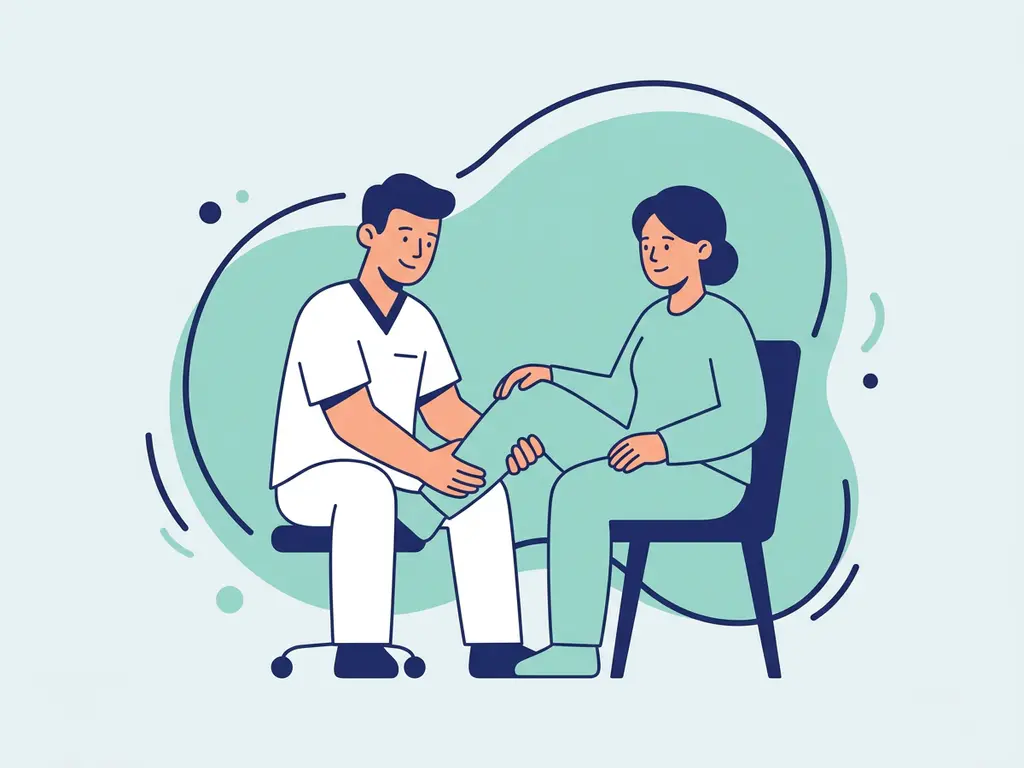
Na een heupoperatie is fysiotherapie een essentieel onderdeel van het herstelproces. In de regio Breda kunnen patiënten terecht bij gespecialiseerde fysiotherapiepraktijken die zich richten op herstel na een totale heupprothese of andere heupingrepen. Dit artikel beantwoordt de meest gestelde vragen over fysiotherapie na een heupoperatie, van de eerste stappen na ontslag tot het vinden van de juiste specialist in de buurt.
What kind of physiotherapy do you need after hip surgery?
After hip surgery, you need rehabilitation-focused physiotherapy that restores mobility, builds muscle strength, and teaches you how to move safely with your new or repaired hip. This typically combines manual therapy, guided exercise therapy, and education about movement patterns that protect the joint during recovery.
In the early phase after a hip operation, the focus is on reducing swelling, preventing stiffness, and regaining basic mobility, such as walking and getting in and out of a chair safely. As recovery progresses, the emphasis shifts toward strengthening the muscles around the hip, improving balance, and gradually returning to daily activities like climbing stairs and walking longer distances.
A good rehabilitation program is always tailored to the individual. Factors such as your age, fitness level before surgery, the type of procedure performed, and your personal goals all influence what the physiotherapy program looks like. Generic programs are rarely effective for hip recovery, which is why a personalized approach matters so much.
How long does recovery take after a hip operation?
Recovery after a hip operation generally takes between three and six months, though a full return to all activities can take up to a year. The timeline depends on the type of surgery, your overall health, and how consistently you follow your rehabilitation program.
Most people can walk short distances with a walking aid within days of surgery and return home within one to three days. The first six weeks are typically the most intensive in terms of physiotherapy, with frequent sessions focused on restoring basic function. Between six weeks and three months, strength and endurance training become the priority.
It is important to set realistic expectations. Progress is not always linear, and temporary setbacks such as increased soreness after a more active day are normal. Regular check-ins with your physiotherapist allow the program to be adjusted when needed, keeping your recovery on track.
What exercises are used in hip rehabilitation?
Hip rehabilitation exercises focus on strengthening the muscles that support the hip joint, improving range of motion, and restoring functional movement patterns. Common exercises include hip flexor stretches, glute bridges, leg raises, and gradually progressing to weight-bearing activities such as walking and step exercises.
In the early stages, exercises are gentle and low-impact, often performed lying down or seated. These might include ankle pumps to improve circulation, gentle knee bends, and small leg lifts. As healing progresses, standing exercises and resistance training are introduced to rebuild the strength needed for daily life.
Balance and coordination exercises are also a key component, since the muscles and nerves around the hip need time to re-learn how to work together after surgery. Functional movements, such as sitting down and standing up correctly or walking on uneven surfaces, are practiced to prepare you for real-world situations.
Is physiotherapy at home an option after hip surgery?
Yes, physiotherapy at home is a valid and often recommended option in the early phase after hip surgery. For many patients, traveling to a clinic is difficult or painful immediately after the operation, making home-based physiotherapy a practical and effective solution for the first weeks of recovery.
A physiotherapist who visits you at home can assess your living environment, advise on how to navigate stairs safely, and guide you through exercises in the space where you actually live. This has real practical advantages, since the therapist can see firsthand whether your home setup supports your recovery or poses risks.
As mobility improves and traveling becomes more manageable, most patients transition to clinic-based physiotherapy. This allows access to specialized equipment and a more intensive training environment that supports the later, more demanding phases of hip rehabilitation.
Should you start physiotherapy before a hip operation?
Starting physiotherapy before a hip operation, often called prehabilitation, is strongly recommended. Patients who enter surgery with stronger muscles, better mobility, and a clear understanding of their rehabilitation exercises tend to recover faster and more smoothly than those who do not prepare.
Prehabilitation typically focuses on strengthening the muscles around the hip and core, improving overall fitness, and practicing the exercises you will need after surgery. Going into the operation in better physical condition reduces the risk of complications and shortens the time needed to regain full function.
Beyond the physical benefits, preparing with a physiotherapist before surgery also reduces anxiety. Understanding what to expect, knowing which movements are safe, and having already built a relationship with your therapist makes the entire process feel more manageable and less uncertain.
How do you find a specialist physiotherapist in Breda for hip recovery?
To find a specialist physiotherapist in Breda for hip recovery, look for a practice that focuses specifically on hip and knee complaints rather than a general physiotherapy clinic. Specialization matters because hip rehabilitation requires specific knowledge, targeted exercise programs, and ideally access to specialized training equipment.
When evaluating a practice, consider the following:
- Does the practice specialize in hip and knee rehabilitation rather than offering general physiotherapy?
- Is there a personalized treatment plan based on your specific situation and goals?
- Does the practice offer both pre-operative preparation and post-operative rehabilitation?
- Is home physiotherapy available for the early recovery phase?
- Does the practice use data-driven methods to monitor and adjust your progress?
Word of mouth from your surgeon or general practitioner is also a reliable starting point, as medical professionals often refer to practices they trust for post-operative care.
Hoe Vief Leven helpt bij herstel na een heupoperatie
Vief Leven is een gespecialiseerde fysiotherapiepraktijk die zich volledig richt op heup- en knieklachten, inclusief herstel na een heupoperatie. Vanuit Tilburg, met bereik naar de regio Breda, biedt Vief Leven een complete aanpak die aansluit bij elke fase van het herstelproces. Dit is wat Vief Leven onderscheidt:
- Persoonlijk behandelplan op basis van jouw specifieke situatie, doelen en herstelsnelheid
- Fysiotherapie aan huis in de vroege herstelfase, wanneer reizen nog moeilijk is
- Prehabilitatie om je zo fit mogelijk de operatie in te laten gaan
- Geavanceerde trainingsfaciliteit met luchtdruktechnologie voor veilig en effectief kracht opbouwen
- Datagestuurd werken zodat jouw voortgang nauwkeurig wordt gevolgd en het programma snel bijgesteld kan worden
- Toegang tot de Vitaliteitsclub voor veilig bewegen op de lange termijn
Of je nu voor een heupoperatie staat, net geopereerd bent of al een tijdje worstelt met heupklachten, bij Vief Leven staat een persoonlijke aanpak centraal. Maak een afspraak en ontdek hoe Vief Leven jou kan helpen om sterker en zelfverzekerder te herstellen.
Veelgestelde vragen
How soon after hip surgery should I start physiotherapy?
Physiotherapy typically begins within 24 hours of your hip surgery, even while you are still in the hospital. A physiotherapist will guide you through basic movements such as sitting up, standing, and taking your first steps with a walking aid. Starting early is crucial because it prevents stiffness, reduces the risk of blood clots, and sets the foundation for a smoother recovery at home.
What are the most common mistakes people make during hip rehabilitation?
The most common mistakes include doing too much too soon, skipping exercises on days when pain feels manageable, and stopping physiotherapy prematurely once basic mobility returns. Many patients also neglect the strength and balance training phases because they feel u0022recovered enough,u0022 but these later stages are essential for preventing long-term complications and reducing the risk of falls. Always follow your physiotherapist’s guidance on progression rather than relying solely on how you feel day to day.
Are there movements or positions I should avoid after a total hip replacement?
Yes, especially in the first six to twelve weeks after a total hip replacement, there are specific movement restrictions designed to prevent dislocation of the new joint. These typically include avoiding bending the hip past 90 degrees, crossing your legs, and rotating your foot inward. Your surgeon and physiotherapist will give you a personalized list of precautions based on the surgical approach used, so make sure to discuss these clearly before you leave the hospital.
How do I manage pain during physiotherapy exercises at home?
Some discomfort during rehabilitation exercises is normal and expected, but there is an important difference between manageable soreness and sharp or worsening pain. A general rule of thumb is that pain during or after exercise should not exceed a 4 out of 10 on a pain scale and should settle within 30 minutes of finishing. If pain consistently spikes or does not subside, contact your physiotherapist to have your program adjusted rather than pushing through it on your own.
Can I do physiotherapy if I also have other conditions like osteoporosis or diabetes?
Yes, physiotherapy after hip surgery is still appropriate and important if you have other health conditions, but your program will need to be adapted accordingly. For example, patients with osteoporosis require extra care around high-impact exercises and fall prevention, while those with diabetes may experience slower tissue healing and need closer monitoring. Always inform your physiotherapist about all existing conditions so they can design a program that is both effective and safe for your specific health profile.
When can I return to sports or more demanding physical activities after hip surgery?
The timeline for returning to sports or demanding physical activities varies depending on the type of surgery, your fitness level, and how well your rehabilitation has progressed, but most patients can resume low-impact activities like cycling or swimming between three and six months post-surgery. Higher-impact activities such as running or racket sports typically require clearance from both your surgeon and physiotherapist, usually after six to twelve months. Rushing this phase increases the risk of injury, so it is important to follow a structured return-to-sport plan rather than making the decision based on how you feel alone.
Does health insurance in the Netherlands cover physiotherapy after a hip operation?
In the Netherlands, physiotherapy after a hip operation is generally covered under the supplementary health insurance (aanvullende verzekering), and in some cases partially under the basic insurance (basisverzekering) if it falls within a chronic condition program. The number of covered sessions and the level of reimbursement depend on your specific insurance policy, so it is strongly recommended to check with your insurer before starting treatment. Your physiotherapy practice can also often help clarify what is covered and assist with the administrative process.