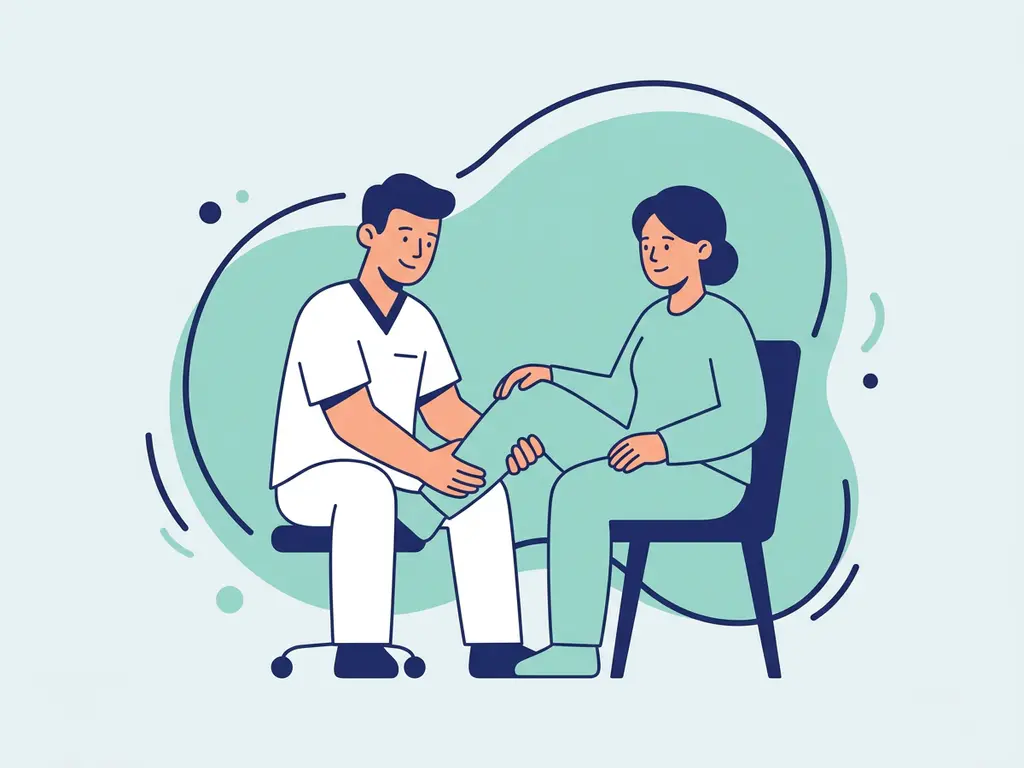
Physiotherapy guidance after a hip operation involves a structured rehabilitation programme that helps you regain strength, mobility, and confidence in your hip joint. Starting in the first days after surgery and continuing for several months, the process is carefully paced to protect the new joint while progressively rebuilding function. The questions below cover everything you need to know about what this rehabilitation journey looks like in practice.
What does physiotherapy guidance after hip surgery actually involve?
Physiotherapy after hip surgery is a guided rehabilitation process that restores movement, builds muscle strength around the new joint, and helps you return safely to daily activities. It combines hands-on treatment, targeted exercise, and practical education so you understand what your body is doing at every stage of recovery.
In the early phase, a physiotherapist focuses on pain management, safe movement patterns, and preventing complications such as blood clots. As healing progresses, sessions shift toward strengthening the muscles that support the hip, improving walking technique, and rebuilding balance. Throughout the entire process, the physiotherapist monitors your progress closely and adjusts the programme when needed. Recovery is not a fixed path — it responds to how your body heals, which is why personal guidance matters far more than a generic exercise sheet.
How long does recovery take after a hip operation?
Most people recover well enough to manage daily activities independently within six to twelve weeks after a hip replacement. Full recovery, including a return to more demanding activities such as hiking, cycling, or sport, typically takes between three and six months, though this varies depending on age, fitness level, and how well the rehabilitation programme is followed.
The first two weeks focus on wound healing and basic mobility, such as getting in and out of bed safely and walking short distances. Between weeks three and six, strength and endurance exercises become more central. From week six onward, the emphasis shifts to functional movements that reflect real life: climbing stairs, bending, and walking on uneven surfaces. Sticking consistently to your physiotherapy plan is one of the strongest predictors of a faster, smoother recovery.
What exercises are used in hip rehabilitation physiotherapy?
Hip rehabilitation physiotherapy uses a progressive range of exercises designed to rebuild the muscles around the hip joint without placing excessive load on the new prosthesis. Early exercises are gentle and performed lying down or seated; later exercises become more demanding and weight-bearing as strength returns.
Common exercises in hip rehabilitation include:
- Ankle pumps and leg slides to promote circulation in the early days after surgery
- Gluteal sets and quad sets to reactivate key muscle groups without stressing the joint
- Supported standing exercises such as heel raises and side leg lifts to build stability
- Walking programmes that gradually increase in distance and pace
- Balance and proprioception training to restore the body’s sense of joint position
- Functional movement practice including stair climbing and safe bending techniques
The specific selection and intensity of exercises depends on your individual situation. A well-designed programme evolves week by week, and a physiotherapist with experience in post-operative hip rehabilitation will know when to progress and when to hold back.
Is it normal to experience swelling or unusual sounds after hip surgery?
Yes, swelling and occasional clicking or creaking sounds after hip surgery are common and are usually a normal part of the healing process. Swelling around the hip and thigh can persist for several weeks as the body repairs tissue and adapts to the new prosthesis. Unusual sounds often result from fluid, scar tissue, or tendons moving across the joint.
Swelling is generally managed with elevation, gentle movement, and cold therapy in the early phase. It tends to reduce steadily over the first six to eight weeks. Sounds from the joint are less predictable and may come and go throughout recovery without indicating a problem. However, if swelling increases suddenly, is accompanied by significant warmth or redness, or if a sound is paired with sharp pain or instability, these are signs to contact your care team promptly. Knowing the difference between expected milestones and warning signs is one of the most valuable things physiotherapy guidance provides during recovery.
Should you start physiotherapy before a hip operation?
Starting physiotherapy before a hip operation, often called prehabilitation, is strongly recommended. Patients who enter surgery with stronger muscles, better mobility, and a clearer understanding of what to expect after the operation consistently recover faster and with fewer complications than those who begin rehabilitation only afterward.
Pre-operative physiotherapy typically focuses on strengthening the muscles that will support the new joint, improving cardiovascular fitness, and teaching the movement patterns and exercises you will use immediately after surgery. This preparation reduces the initial shock to the body and shortens the period of dependence on walking aids. Mentally, knowing what to expect also reduces anxiety about the operation and the recovery phase that follows. Even a few weeks of targeted preparation before your surgery date can make a meaningful difference to your outcome.
How do you find the right physiotherapist in Tilburg after hip surgery?
Finding the right physiotherapist in Tilburg after hip surgery means looking for a practice that specialises in post-operative hip rehabilitation, offers a personalised treatment plan, and uses a structured, evidence-informed approach. General physiotherapy practices can provide basic care, but specialised expertise makes a significant difference in outcomes after joint replacement surgery.
Key factors to consider when choosing a physiotherapist in Tilburg include:
- Demonstrable experience with hip and knee rehabilitation after surgery
- A clear treatment methodology that is explained to you from the start
- Access to appropriate exercise facilities and equipment
- The ability to offer home visits in the early recovery phase when travel is difficult
- A team that monitors progress and adjusts the programme based on your results
Hoe Vief Leven helpt bij revalidatie na een heupoperatie
Vief Leven is a specialised physiotherapy practice in Tilburg dedicated entirely to hip and knee complaints, including rehabilitation after hip replacement surgery. The practice works with a structured three-step methodology that begins before surgery and continues through every phase of recovery, ensuring you are never left wondering whether your progress is on track.
- Pre-operative preparation: Vief Leven guides patients in building strength and understanding before their operation, so they enter surgery in the best possible condition
- Post-operative rehabilitation: A personalised treatment plan is developed based on your specific situation, monitored closely with a data-driven approach that allows for quick adjustments
- Home physiotherapy: For the early phases of recovery when travelling to the practice is challenging, Vief Leven offers physiotherapy at home
- State-of-the-art training facilities: Advanced equipment enables tailor-made exercise programmes that build load capacity safely and effectively
- The Vitaliteitsclub: A unique space where people with hip complaints can exercise safely under expert supervision
If you are preparing for a hip operation or are already in recovery and want guidance you can rely on, Vief Leven is ready to support you. You can read more about hip osteoarthritis and treatment on the website, or make an appointment directly to start with a personal intake.
Veelgestelde vragen
How soon after hip surgery can I start walking without a walking aid?
Most people begin using a walking frame or crutches within the first day or two after surgery, and many transition away from walking aids between four and eight weeks post-operation, depending on their strength and confidence. Your physiotherapist will assess your gait, balance, and muscle control before recommending the right time to reduce support — progressing too quickly increases the risk of falls or compensatory movement patterns that can slow recovery. Rather than setting a fixed target date, focus on meeting the functional milestones your physiotherapist sets for you at each stage.
What are the most common mistakes people make during hip replacement recovery?
The two most frequent mistakes are doing too much too soon and doing too little out of fear. Overexertion in the early weeks can strain healing tissue and set back your progress, while excessive caution leads to muscle weakness, stiffness, and prolonged dependence on walking aids. Other common errors include skipping home exercise sessions between physiotherapy appointments, ignoring early warning signs such as increased swelling or sharp pain, and stopping rehabilitation as soon as basic daily activities feel manageable — before full strength and stability have been restored.
Are there any movements or positions I should avoid after a hip replacement?
Yes — depending on the surgical approach used, your surgeon and physiotherapist will give you a specific list of hip precautions to follow, typically for the first six to twelve weeks. Common restrictions include avoiding bending the hip beyond 90 degrees, crossing your legs, or rotating the leg inward, as these positions can risk dislocation of the new joint. Your physiotherapist will teach you safe alternatives for everyday tasks such as putting on shoes, getting in and out of a car, and sitting down — so that these precautions become second nature rather than a source of anxiety.
Can I return to sport or physical hobbies after a hip replacement?
Many people return to low-impact activities such as cycling, swimming, hiking, and golf within three to six months of surgery, and some return to more demanding recreational sports beyond that point. High-impact activities involving running, jumping, or contact carry a higher risk of long-term wear on the prosthesis and are generally discouraged or discussed carefully with your orthopaedic surgeon. The best approach is to set your return-to-activity goals early in your rehabilitation so your physiotherapist can structure your programme specifically around reaching them safely.
How do I manage pain at home between physiotherapy sessions?
In the early weeks, a combination of prescribed pain medication, cold therapy applied to the hip for 15–20 minutes at a time, and gentle elevation of the leg can help manage discomfort between sessions. Staying gently active — rather than resting completely — also reduces stiffness and supports circulation, which in turn helps control pain. If your pain is consistently increasing rather than gradually improving, or if it spikes sharply during specific movements, report this to your physiotherapist promptly so your programme can be reviewed and adjusted.
What role does nutrition play in recovering from hip surgery?
Nutrition plays a significant supporting role in post-operative recovery, particularly in the first weeks when the body is repairing tissue and rebuilding muscle. Adequate protein intake is especially important, as it provides the building blocks for muscle repair — most adults recovering from surgery benefit from prioritising protein at each meal. Staying well hydrated, maintaining sufficient vitamin D and calcium levels for bone health, and eating a diet rich in anti-inflammatory foods can all contribute to a smoother, faster recovery alongside your physiotherapy programme.
What should I do if my recovery seems slower than expected?
First, raise your concerns directly with your physiotherapist, who can assess whether your progress is genuinely behind schedule or within the normal range of variation — recovery timelines differ considerably between individuals, and what feels slow may still be on track. If there is a genuine plateau, your programme may need to be adjusted in terms of exercise intensity, frequency, or focus areas. In cases where pain, swelling, or limited mobility persist unexpectedly, your physiotherapist may recommend a follow-up consultation with your orthopaedic surgeon to rule out any complications with the prosthesis or healing tissue.