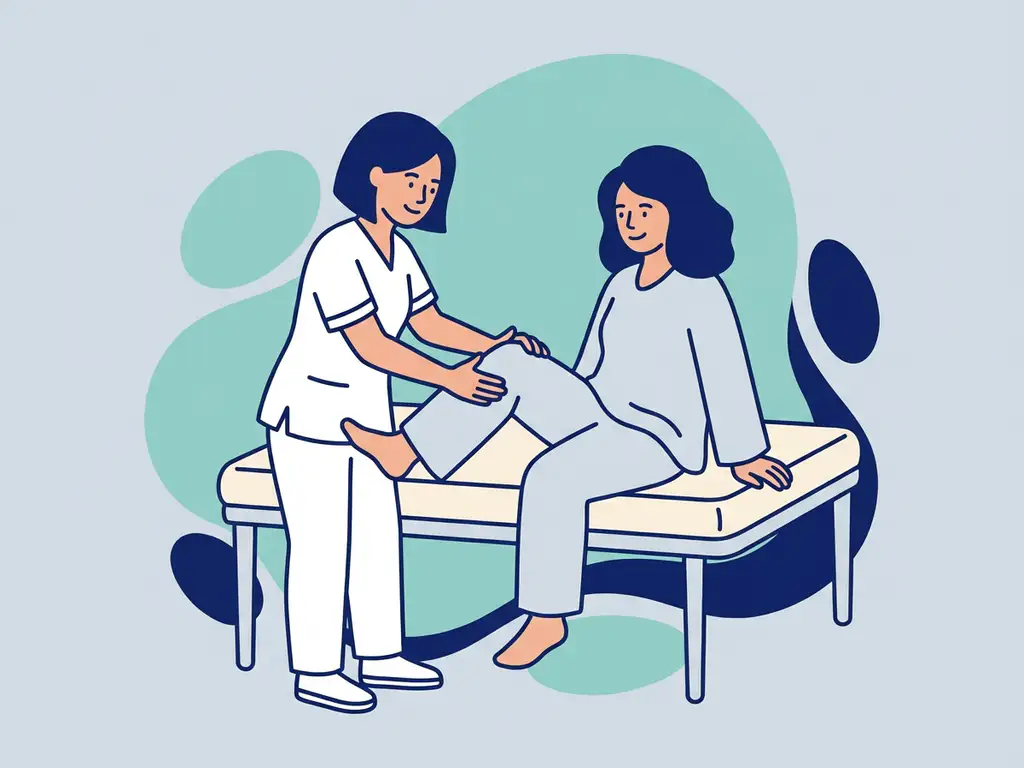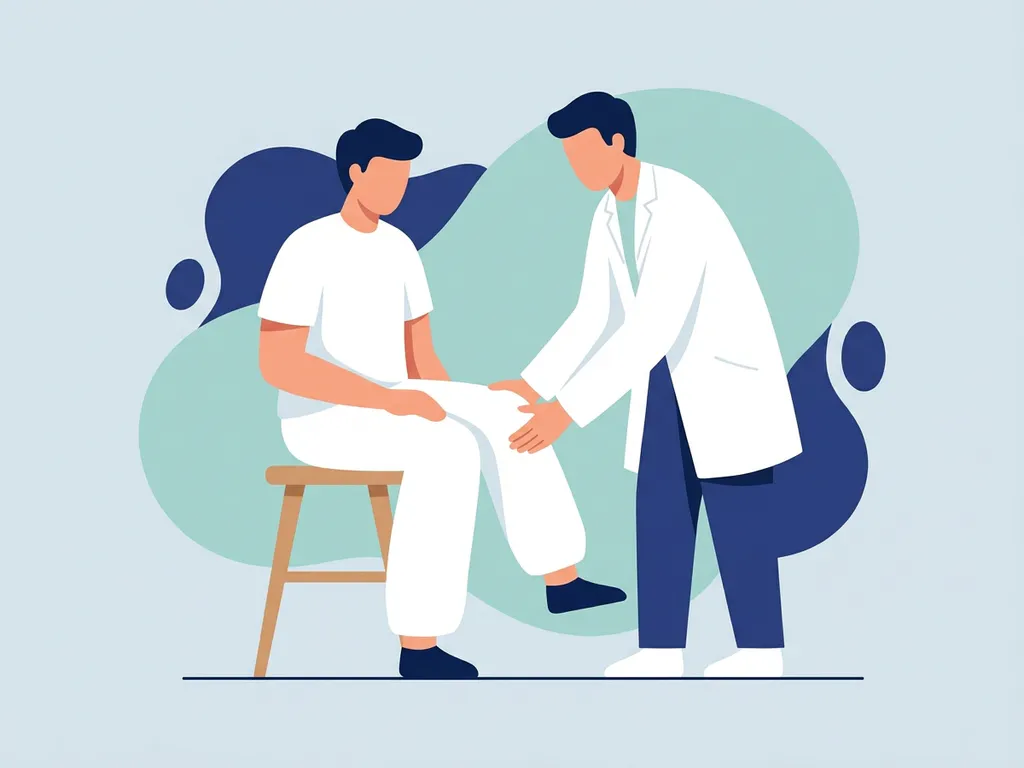
Preparing for a knee operation through physiotherapy means strengthening the muscles around your knee, improving joint mobility, and building the physical resilience your body needs to recover well after surgery. This approach, often called prehabilitation, is especially relevant for people in the Den Bosch region who are facing a knee replacement and want to go into the procedure as fit as possible. The questions below cover everything you need to know about physiotherapy before and after a knee operation.
What does preparing for knee surgery actually involve?
Preparing for knee surgery involves a structured programme of exercises, education, and physical conditioning designed to strengthen the muscles around your knee before the operation takes place. The goal is to give your body the best possible starting point so that recovery after surgery is faster, smoother, and less complicated.
Preparation typically covers three areas. First, your physiotherapist assesses your current strength, mobility, and pain levels to understand exactly where you are starting from. Second, you follow a personalised exercise programme focused on building quadriceps and hamstring strength, improving range of motion, and reducing swelling where present. Third, you receive practical information about what to expect from the surgery and recovery, which helps reduce anxiety and supports more confident decision-making.
Many people underestimate how much the weeks before surgery influence what happens after. The stronger and more informed you go in, the more control you have over your own recovery.
How does physiotherapy before a knee operation improve recovery outcomes?
Physiotherapy before a knee operation improves recovery outcomes by increasing the strength and function of the muscles that support the knee joint. When these muscles are stronger at the time of surgery, the body has more physical reserves to draw on during the demanding early weeks of rehabilitation.
Research consistently shows that patients who complete a prehabilitation programme before knee replacement surgery tend to regain mobility more quickly, experience less post-operative pain, and spend fewer days in hospital. The physical benefits are reinforced by psychological ones: patients who understand what to expect from surgery and recovery report lower anxiety levels and greater confidence in their own ability to heal.
Prehabilitation also helps your physiotherapist establish a clear baseline for your movement and strength. This makes it much easier to track progress after surgery and identify any deviations from the expected recovery path early.
What exercises should you do before a knee replacement?
Before a knee replacement, the most effective exercises focus on strengthening the quadriceps, hamstrings, and glutes, while also maintaining or improving the range of motion in the knee joint. These muscle groups are directly responsible for supporting the new joint after surgery.
Common exercises recommended before knee replacement surgery include:
- Straight leg raises to build quadriceps strength without loading the knee joint
- Seated knee extensions to maintain and improve range of motion
- Mini squats or wall squats to activate the quadriceps and glutes together
- Heel slides to gently improve knee flexion
- Calf raises to support circulation and lower leg strength
- Short walks to maintain general conditioning and cardiovascular fitness
The right combination and intensity of exercises depends on your current fitness level, the severity of your knee complaints, and how close you are to surgery. A personalised programme from a physiotherapist ensures you are working at the right level without placing unnecessary stress on the joint.
How long before surgery should physiotherapy start?
Physiotherapy before knee surgery should ideally start between six and twelve weeks before the planned operation date. This timeframe gives your muscles enough time to respond to training and build meaningful strength before surgery takes place.
Starting earlier is rarely a disadvantage. If your surgery date is confirmed several months in advance, beginning prehabilitation as soon as possible gives you more time to build strength and address any mobility limitations. Even starting two to four weeks before surgery is worthwhile if that is all the time available, as some preparation is always better than none.
The key is not to wait until the final days before your operation. By that point, your body has very little time to adapt, and the window for meaningful physical preparation has largely passed.
What happens during physiotherapy after a knee operation?
Physiotherapy after a knee operation begins within the first days following surgery and progresses through several phases over the weeks and months that follow. The immediate focus is on reducing swelling, restoring basic mobility, and helping you move safely with or without walking aids.
The early recovery phase
In the first two to six weeks after surgery, physiotherapy focuses on pain management, reducing post-operative swelling, and regaining basic range of motion in the knee. You will work on gentle bending and straightening exercises, practise walking with a walker or crutches, and gradually increase the distance you can cover. Home physiotherapy is often provided during this phase, as travelling to a clinic can be difficult in the early days after a knee replacement.
The strengthening and rehabilitation phase
From around six weeks onwards, the focus shifts to rebuilding strength in the muscles surrounding the knee and improving your balance and coordination. Exercises become more demanding, and many patients transition to a clinic-based programme where access to specialised equipment allows for more targeted and progressive training. This phase continues until you have regained the strength, mobility, and confidence needed to return to daily activities, and in many cases to more active pursuits such as walking, cycling, or gardening.
Where can you find specialised knee surgery physiotherapy near Den Bosch?
For people in or around Den Bosch looking for specialised physiotherapy before and after a knee operation, Vief Leven in Tilburg offers a focused approach built specifically around knee and hip complaints. The practice combines expert physiotherapy with a state-of-the-art training facility and a personalised methodology designed to deliver measurable results.
Here is what Vief Leven offers for people preparing for or recovering from knee surgery:
- Personalised prehabilitation programmes to build strength and resilience before your operation
- Post-operative rehabilitation guided by specialists in knee recovery, including physiotherapy at home in the early stages
- Advanced training equipment using air pressure technology for precise, data-driven exercise progression
- The Vitaliteitsclub, a dedicated space for people with knee osteoarthritis to exercise safely and effectively
- Clear progress monitoring so you always know how your recovery is developing
Whether you are preparing for surgery or working through rehabilitation, Vief Leven offers the specialist knowledge and personal attention to help you move forward with confidence. Make an appointment to discuss your situation and take the first step toward a stronger recovery.
Veelgestelde vragen
Can I do prehabilitation exercises at home, or do I need to go to a clinic?
Many prehabilitation exercises, such as straight leg raises, heel slides, and calf raises, can be performed at home with no specialist equipment required. However, starting with at least a few supervised sessions at a physiotherapy clinic is strongly recommended so that your therapist can assess your technique, adjust the programme to your specific condition, and ensure you are not inadvertently placing harmful stress on the joint. Once you have the correct form and a clear plan, home-based practice becomes a valuable and convenient complement to your clinic sessions.
What if my knee pain is too severe to exercise before surgery?
Significant pain does not necessarily mean prehabilitation is off the table. A skilled physiotherapist can design a programme around your current pain levels, selecting low-impact, low-load exercises such as straight leg raises or seated movements that build strength without aggravating the joint. In some cases, pain management strategies such as ice application, taping, or gentle manual therapy may be used alongside exercise to make training more comfortable. The goal is always to find a level of activity that challenges your muscles without pushing you beyond what your joint can tolerate.
How soon after a knee replacement can I return to everyday activities like driving or climbing stairs?
Most people are able to climb stairs with support within the first one to two weeks after a knee replacement, and can typically return to driving between four and eight weeks post-surgery, provided they are no longer taking strong pain medication and have sufficient knee flexion and reaction speed. The exact timeline varies depending on your individual recovery, the type of surgery performed, and how consistently you engage with your rehabilitation programme. Your physiotherapist and surgeon will give you personalised guidance based on your progress at each stage.
Is there anything I should avoid doing in the weeks before my knee operation?
In the weeks before surgery, it is wise to avoid high-impact activities such as running or jumping that place excessive stress on the already compromised joint, as these can increase swelling and pain without adding meaningful benefit. You should also avoid complete rest, as inactivity accelerates muscle loss and will make post-operative recovery harder. If you are unsure whether a specific activity is safe, your physiotherapist is the best person to advise you based on your current joint condition and fitness level.
How do I know if my post-operative recovery is progressing as it should?
Key milestones to look out for in the weeks after surgery include a gradual reduction in swelling, increasing range of motion in the knee, improved ability to bear weight, and growing confidence when walking. If you notice that swelling is worsening rather than improving, that you are unable to bend or straighten the knee beyond a certain point, or that pain is intensifying rather than easing, these are signs to contact your physiotherapist or surgeon promptly. Regular progress monitoring with your physiotherapist, ideally using objective measurements of strength and range of motion, is the most reliable way to confirm that your recovery is on track.
Can prehabilitation actually reduce the risk of complications after surgery?
Yes, there is good evidence to suggest that patients who are stronger and more physically conditioned before surgery experience fewer post-operative complications, including a lower risk of blood clots due to better circulation, reduced likelihood of prolonged hospital stays, and a smaller chance of requiring additional medical interventions during recovery. Stronger muscles also provide better joint stability in the immediate post-operative period, which reduces the risk of falls. While prehabilitation cannot eliminate all surgical risks, it meaningfully improves the conditions under which your body heals.
What is the difference between a standard physiotherapy programme and a specialist knee surgery rehabilitation programme?
A standard physiotherapy programme addresses general musculoskeletal complaints and may not be specifically structured around the demands of surgical recovery. A specialist knee surgery rehabilitation programme, by contrast, is designed with a clear understanding of what happens to the joint, muscles, and surrounding tissue during and after a knee replacement, and builds a phased progression that aligns with the body’s healing timeline. Specialist programmes also tend to include more precise progress tracking, access to advanced training equipment, and closer coordination with the surgical team, all of which contribute to more consistent and measurable outcomes.