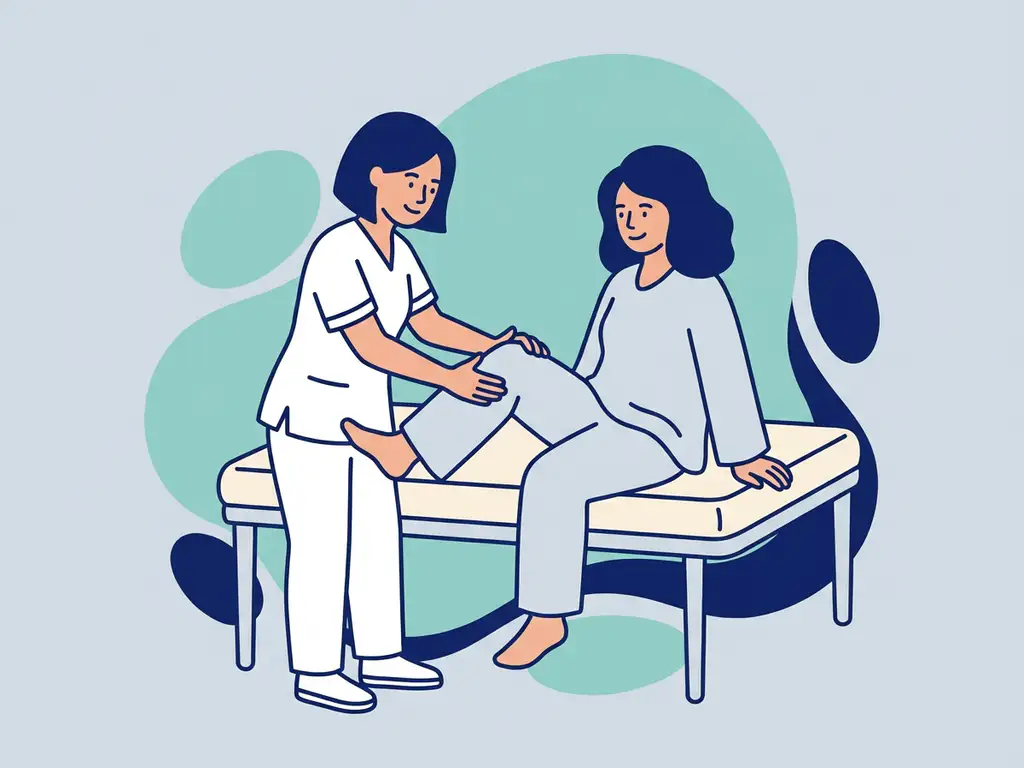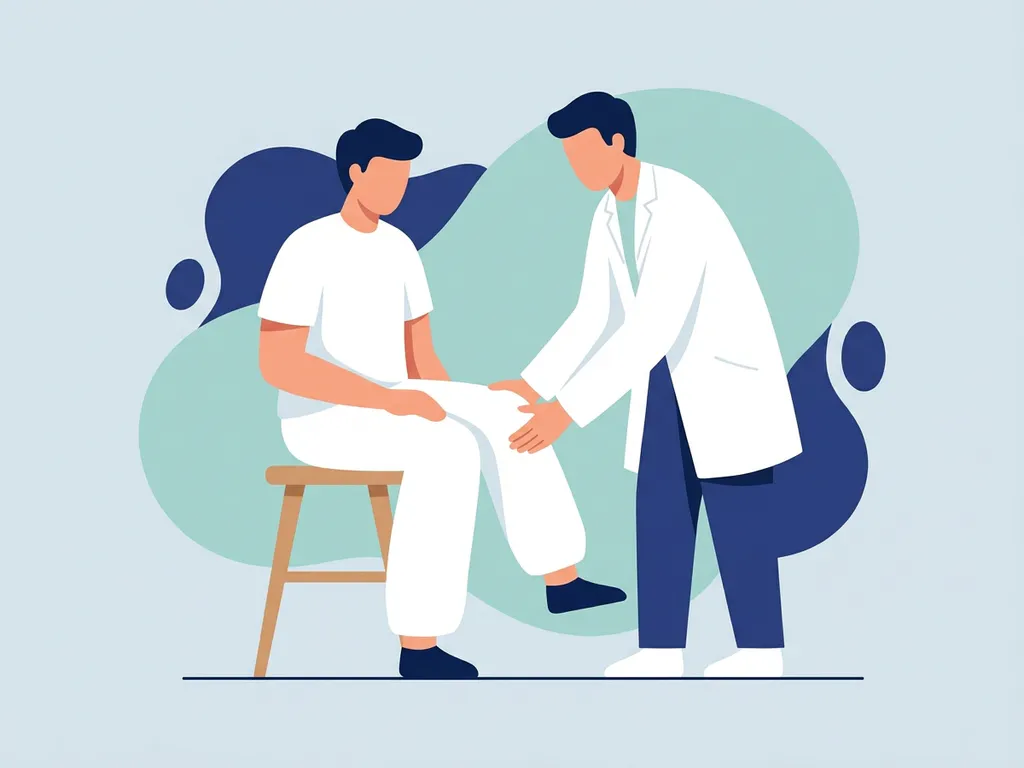
Ja, fysiotherapie aan huis is mogelijk voor mensen in de regio Den Bosch die herstellen van een heup- of knieoperatie. Thuisbehandeling is vooral waardevol in de vroege herstelfase, wanneer mobiliteit beperkt is en reizen naar een praktijk te belastend of onveilig is. Dit artikel beantwoordt de meest gestelde vragen over fysiotherapie aan huis na heup- en knieklachten.
Does home physiotherapy cover hip and knee rehabilitation?
Yes, home physiotherapy can fully cover hip and knee rehabilitation. A physiotherapist who visits you at home can guide exercise therapy, support wound healing, improve joint mobility, and help restore muscle strength after surgery. The same rehabilitation goals that apply in a clinic setting are achievable at home, especially in the early weeks of recovery.
Hip and knee rehabilitation at home typically focuses on safe mobilization, pain management, and gradually increasing the load on the affected joint. The physiotherapist assesses your home environment and adapts exercises to what is practically possible in your space. Staircase training, getting in and out of a chair, and safe walking patterns are all common elements of home-based hip and knee rehabilitation.
When is home physiotherapy the right choice after surgery?
Home physiotherapy is the right choice when traveling to a clinic is physically too demanding or poses a safety risk, particularly in the first days and weeks following a hip or knee replacement. If you have limited mobility, live alone, or lack reliable transport, home-based care ensures you receive professional guidance without unnecessary strain on your recovering joint.
Beyond practical considerations, the home environment itself offers clinical advantages. A physiotherapist can observe exactly how you move through your own living space, identify fall risks, and coach you through the specific challenges your home presents. This makes the care directly relevant to your daily reality rather than a controlled clinic setting.
How does a physiotherapist work with you at home?
During a home visit, the physiotherapist conducts an intake assessment, sets measurable rehabilitation goals, and designs a personalized exercise program suited to your home environment. Sessions typically include guided movement exercises, manual therapy where needed, and practical coaching on daily activities such as walking, dressing, and using stairs safely.
Progress is monitored at each visit, and the program is adjusted based on how your body responds. The physiotherapist also educates you on what to expect during recovery, helping you distinguish between normal postoperative sensations and signs that warrant medical attention. This guidance reduces uncertainty and builds confidence during a phase that many patients find emotionally and physically challenging.
Is home physiotherapy covered by Dutch health insurance?
In the Netherlands, home physiotherapy is generally covered by basic health insurance when there is a medical indication, such as recovery from a hip or knee operation. Coverage falls under the same conditions as regular physiotherapy reimbursement. A referral from your general practitioner or specialist is usually required, and your personal deductible applies.
Patients with a chronic condition such as osteoarthritis may qualify for additional sessions under the chronic conditions list. It is always advisable to verify your specific policy with your health insurer before starting treatment, as coverage details vary between providers.
What’s the difference between home physiotherapy and clinic-based care?
The core difference is the treatment environment. Clinic-based physiotherapy gives you access to specialized equipment, training facilities, and a broader team of specialists, while home physiotherapy prioritizes accessibility and contextual relevance for patients who cannot yet travel safely. Both approaches follow the same evidence-based rehabilitation principles.
Clinic-based care often becomes the preferred option as recovery progresses, because it offers more varied exercise options and allows for closer monitoring with advanced tools. Many patients begin with home physiotherapy immediately after surgery and transition to a clinic setting once they regain sufficient mobility. This combination approach is often the most effective path to full recovery.
Can patients in the Den Bosch region access home physiotherapy?
Yes, patients in the Den Bosch region can access home physiotherapy for hip and knee rehabilitation. The area is well-served by physiotherapy practices, and many offer home visits as part of their postoperative care programs. Patients in surrounding communities who cannot travel during early recovery are also typically eligible for home-based treatment.
For those who are able to travel, specialist practices in the broader region, including Tilburg, offer advanced clinic-based rehabilitation with facilities and expertise specifically focused on hip and knee osteoarthritis and postoperative recovery.
Hoe Vief Leven helpt bij fysiotherapie aan huis na heup- en knieklachten
Vief Leven biedt gespecialiseerde fysiotherapie voor mensen met heup- en knieklachten, inclusief begeleiding in de vroege herstelfase na een operatie. De aanpak is altijd persoonlijk en afgestemd op jouw specifieke situatie, of je nu thuis herstelt of de stap maakt naar de praktijk in Tilburg.
- Gespecialiseerde begeleiding bij herstel na een heup- of knieoperatie
- Persoonlijk behandelplan op basis van jouw klachten en hersteldoelen
- Begeleiding richting en na een operatie, zodat je goed voorbereid bent
- Overgang van thuiszorg naar de praktijk op het moment dat het past bij jouw herstel
- Specifieke aandacht voor heup artrose en knie artrose
Wil je weten wat Vief Leven voor jou kan betekenen? Maak een afspraak en bespreek jouw situatie met een van onze specialisten.
Veelgestelde vragen
How soon after hip or knee surgery can I start home physiotherapy?
Home physiotherapy can typically begin within 24 to 72 hours after discharge from the hospital, depending on your surgeon’s clearance and your overall condition. Starting early is actually encouraged, as gentle mobilization in the first days after surgery helps reduce swelling, prevent blood clots, and set the foundation for a faster recovery. Your physiotherapist will coordinate with your medical team to ensure the timing and intensity of treatment are appropriate for your specific procedure and health status.
What should I prepare at home before my first physiotherapy visit?
Before your first home visit, clear a safe walking path through your main living areas and ensure there is enough open floor space for basic exercises — roughly the size of a yoga mat is sufficient. Remove loose rugs, secure any trailing cables, and have a sturdy chair with armrests available, as this is commonly used for sit-to-stand exercises. If you use a walking aid such as crutches or a walker, have it ready, and keep any hospital discharge documents or exercise instructions on hand so your physiotherapist can review them during the intake.
How many home physiotherapy sessions will I need after a hip or knee replacement?
The number of sessions varies depending on your age, fitness level, the type of surgery, and how quickly you progress, but most patients require home visits two to three times per week during the first two to four weeks of recovery. After that, the frequency typically decreases as you become more independent and mobile enough to transition to a clinic setting. Your physiotherapist will set clear milestones at the start of treatment and adjust the plan as your recovery evolves, so there is no fixed one-size-fits-all answer.
What are the most common mistakes patients make during home rehabilitation after joint surgery?
The two most common mistakes are doing too little out of fear of pain and doing too much out of eagerness to recover quickly — both can set back your progress. Skipping prescribed exercises because they feel uncomfortable is understandable, but controlled movement is essential for restoring joint function and preventing stiffness. On the other end, overloading the joint by attempting activities beyond your current stage — such as climbing stairs without guidance or walking long distances too soon — increases the risk of falls and complications. Following your physiotherapist’s program consistently and communicating any concerns at each session is the most reliable way to avoid these pitfalls.
Can home physiotherapy help if I'm recovering from a hip or knee replacement but also have other health conditions?
Yes, and in many cases home physiotherapy is the preferred option precisely because it allows the therapist to account for your full health picture in a safe, familiar environment. Conditions such as heart disease, diabetes, obesity, or balance disorders require a modified rehabilitation approach, and a home visit allows the physiotherapist to directly observe how these factors affect your movement and daily functioning. Always inform your physiotherapist of all existing conditions and medications before treatment begins, so the program can be tailored safely and effectively.
At what point should I transition from home physiotherapy to a clinic?
The transition to clinic-based physiotherapy is typically appropriate when you can safely travel, walk a reasonable distance with or without a walking aid, and manage basic daily activities independently. This usually occurs somewhere between two and six weeks post-surgery, though the timeline differs per individual. Clinic-based care at that stage offers access to gym equipment, resistance machines, and more intensive exercise progression that is difficult to replicate at home — making it an important next step toward full functional recovery.
How do I get a referral for home physiotherapy in the Netherlands?
In most cases, you do not need a referral to see a physiotherapist in the Netherlands — you can contact a practice directly. However, a referral from your huisarts (general practitioner) or medical specialist is often required for health insurance reimbursement, particularly for home visits. Contact your health insurer in advance to confirm what documentation they require, and ask your surgeon or GP for a written referral at your post-operative appointment to ensure there are no delays in starting your covered treatment.