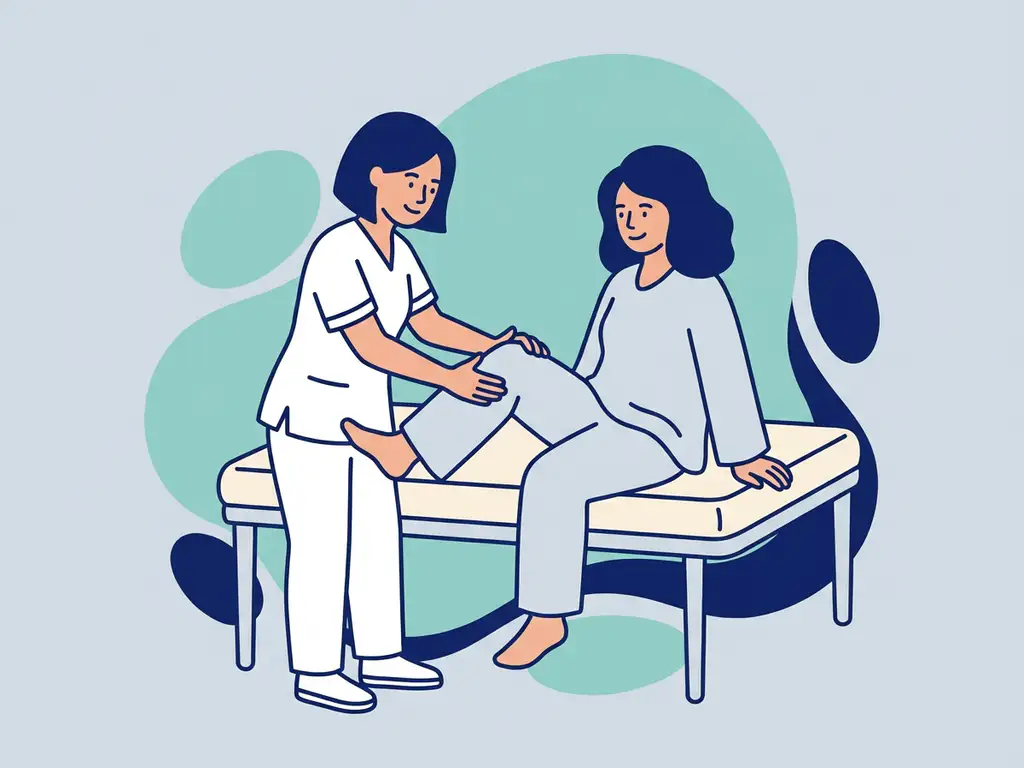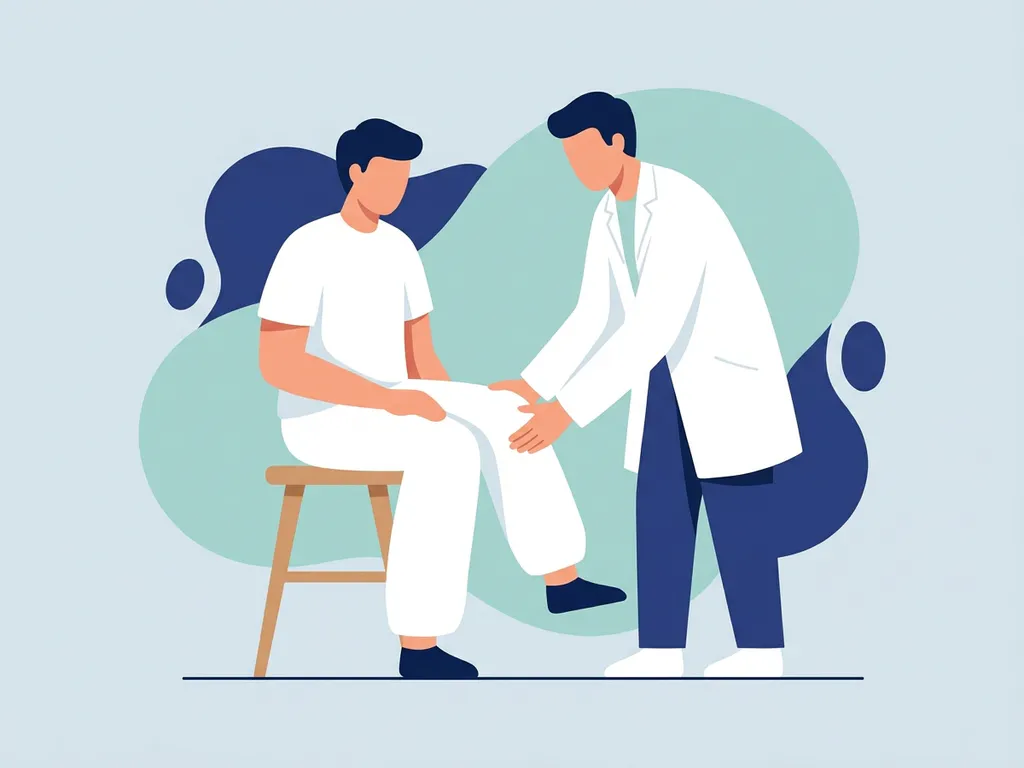
Yes, you can absolutely still exercise with hip or knee osteoarthritis. In fact, staying active is one of the most effective ways to manage osteoarthritis symptoms and maintain your quality of life. The key is choosing the right type of movement and building up gradually under proper guidance. This article answers the most common questions about combining sport and osteoarthritis, and what physiotherapy in the Eindhoven region can do for you.
Can you still exercise with hip or knee osteoarthritis?
Yes, exercising with hip or knee osteoarthritis is not only safe, it is strongly recommended. Movement helps to nourish cartilage, strengthen the muscles around the joint, and reduce stiffness. Rest and inactivity, by contrast, tend to worsen symptoms over time. The important thing is to match the type and intensity of exercise to what your joints can currently handle.
Many people assume that pain during movement means they should stop altogether. In most cases, that assumption is incorrect. Some discomfort during exercise can be normal, especially when you are rebuilding strength. What matters is whether the pain subsides after activity and whether you are gradually able to do more over time. A physiotherapist can help you distinguish between productive challenge and harmful overload.
What types of sport are safe with osteoarthritis?
Low-impact sports are generally the safest and most beneficial for people with hip or knee osteoarthritis. These activities build strength and improve joint stability without placing excessive stress on the affected joints. Good options include swimming, cycling, walking, water aerobics, and tai chi.
High-impact sports such as running on hard surfaces, football, or activities involving jumping and sudden direction changes carry a higher risk of aggravating symptoms, particularly in the early stages of treatment. That does not mean these activities are permanently off the table, but they require a solid foundation of joint strength and stability before being reintroduced.
Strength training is also highly valuable for osteoarthritis patients. Building the muscles around the hip or knee reduces the load the joint itself has to absorb during daily activities. This is why targeted exercise therapy, rather than passive treatments alone, forms the backbone of effective osteoarthritis care.
How does physiotherapy help you stay active with osteoarthritis?
Physiotherapy helps people with osteoarthritis stay active by increasing the load capacity of the affected joint through structured exercise therapy, education, and a personalized treatment plan. Rather than simply treating pain, physiotherapy addresses the underlying cause: insufficient muscle support and reduced joint resilience.
A physiotherapist will assess your current level of function, identify which movements cause problems, and build a program that progressively challenges your body in a safe and controlled way. Alongside exercise, you will receive information about your specific situation so that you understand what is happening in your joint and why certain activities help or hinder recovery. This combination of movement and knowledge gives you the tools to manage your symptoms independently over time.
What happens to your joints if you stop exercising with osteoarthritis?
If you stop exercising with osteoarthritis, your symptoms are likely to worsen over time. Without regular movement, the muscles supporting the hip or knee weaken, the joint becomes less stable, and stiffness increases. This creates a cycle where pain leads to inactivity, and inactivity leads to more pain.
Cartilage also depends on movement to receive nutrients, since it has no direct blood supply. Regular, appropriate loading helps maintain cartilage health and slows the progression of joint degeneration. Prolonged inactivity removes this stimulus and can accelerate deterioration. For people who want to remain independent and mobile well into later life, maintaining an active lifestyle is not optional. It is one of the most protective things you can do.
When should you see a physiotherapist instead of exercising on your own?
You should see a physiotherapist when your osteoarthritis symptoms are limiting your daily activities, when pain is unpredictable or increasing, or when you are unsure which exercises are safe for your situation. Self-directed exercise is valuable, but without proper guidance it is easy to either do too little to make progress or too much and aggravate the joint.
Other clear signals to seek professional support include:
- Pain that persists for more than a day after activity
- Swelling or warmth around the joint after exercise
- Significant changes in your gait or posture to avoid pain
- Upcoming hip or knee surgery and a desire to prepare your body
- Recent surgery and uncertainty about whether your recovery is on track
- Previous treatment that did not produce satisfactory results
In all of these situations, a physiotherapist can provide clarity, adjust your program, and ensure you are making genuine progress rather than managing symptoms in isolation.
Where can people in Eindhoven find specialized osteoarthritis physiotherapy?
People in and around Eindhoven looking for specialized physiotherapy for hip or knee osteoarthritis can turn to Vief Leven, a practice dedicated entirely to osteoarthritis care. Located in Tilburg and accessible from Eindhoven and the wider region, Vief Leven offers a focused, personal approach built around the specific needs of people with hip and knee complaints.
What makes Vief Leven distinctive:
- A personalized treatment plan based on your specific situation and goals
- Exercise therapy using advanced air pressure technology equipment for precise, data-driven progress
- Clear information about your condition so you understand and manage your own recovery
- Guidance before and after hip or knee surgery, including physiotherapy at home in the early recovery phase
- Access to the Vitaliteitsclub, a dedicated space where people with osteoarthritis can exercise safely and effectively
- Specialized rheumatology physiotherapy for patients with more complex or fluctuating symptoms
Whether you are dealing with knee osteoarthritis or hip osteoarthritis, Vief Leven provides the expertise and environment to help you stay active, reduce pain, and regain confidence in your body. Visit Vief Leven to learn more, or make an appointment directly and take the first step toward a more active life.
Veelgestelde vragen
How do I know if my pain during exercise is normal or a warning sign?
A useful rule of thumb is the 24-hour rule: if your pain returns to its baseline level within 24 hours after exercise, the activity was likely within a safe range. If pain is significantly elevated the next day, lingers for longer, or is accompanied by swelling or warmth around the joint, that is a signal to reduce intensity and consult your physiotherapist. Over time, as your joint strength and resilience improve, your tolerance for activity will increase and this distinction becomes easier to manage on your own.
Can I continue playing sports like cycling or swimming indefinitely with osteoarthritis, or will I eventually have to stop?
Low-impact sports like cycling and swimming are generally sustainable long-term activities for people with hip or knee osteoarthritis, and many people continue them well into older age. The goal of physiotherapy and structured exercise is precisely to maintain and expand what you are able to do, not to prepare you for an inevitable decline. With the right muscle support, load management, and regular monitoring, most people can keep enjoying their preferred activities for many years.
Is it safe to exercise during a flare-up when my joint is more painful or swollen than usual?
During an active flare-up, it is generally advisable to temporarily reduce the intensity and volume of your exercise rather than stopping altogether. Gentle range-of-motion movements and low-load activities can help maintain circulation and prevent stiffness without further irritating the joint. Once the flare-up settles, you can gradually rebuild to your previous level. Your physiotherapist can give you a specific plan for managing flare-ups so you always know what to do rather than defaulting to complete rest.
How long does it typically take to notice improvement with physiotherapy for osteoarthritis?
Most people begin to notice meaningful improvements in pain, stiffness, and functional ability within six to twelve weeks of consistent physiotherapy and exercise therapy. That said, osteoarthritis management is a long-term process rather than a short-term fix, and the greatest benefits come from maintaining an active lifestyle beyond the initial treatment period. Early gains are often motivating, but the real value is in the habits and self-management skills you build along the way.
What is the difference between physiotherapy for osteoarthritis and general physiotherapy?
General physiotherapy covers a wide range of conditions and often focuses on short-term pain relief through manual therapy, massage, or electrotherapy. Specialized osteoarthritis physiotherapy, by contrast, is built around exercise therapy, progressive loading, and patient education — the three pillars with the strongest evidence base for long-term symptom management. A practice like Vief Leven focuses exclusively on hip and knee osteoarthritis, which means the treatment protocols, equipment, and expertise are all specifically tailored to this condition rather than being applied generically.
Should I lose weight before starting an exercise program for osteoarthritis, or will exercise itself help with weight management?
You do not need to lose weight before starting exercise — in fact, the reverse is often more practical and effective. Structured exercise therapy helps improve joint function and reduce pain, which in turn makes it easier to be more active in daily life and supports healthy weight management over time. Reducing body weight does lower the mechanical load on the hip and knee joints, so it is a worthwhile goal, but it should run alongside your exercise program rather than be treated as a prerequisite for starting one.
If I have already been told I need a hip or knee replacement, is physiotherapy still worth doing?
Absolutely — physiotherapy is highly valuable both before and after joint replacement surgery. Prehabilitation, which involves strengthening the muscles around the joint before surgery, is consistently associated with faster recovery times and better post-operative outcomes. After surgery, guided physiotherapy ensures your rehabilitation progresses safely and that you rebuild strength, mobility, and confidence in a structured way. Vief Leven specifically offers guidance through both phases, including home-based physiotherapy in the early post-operative period when travel is not yet practical.