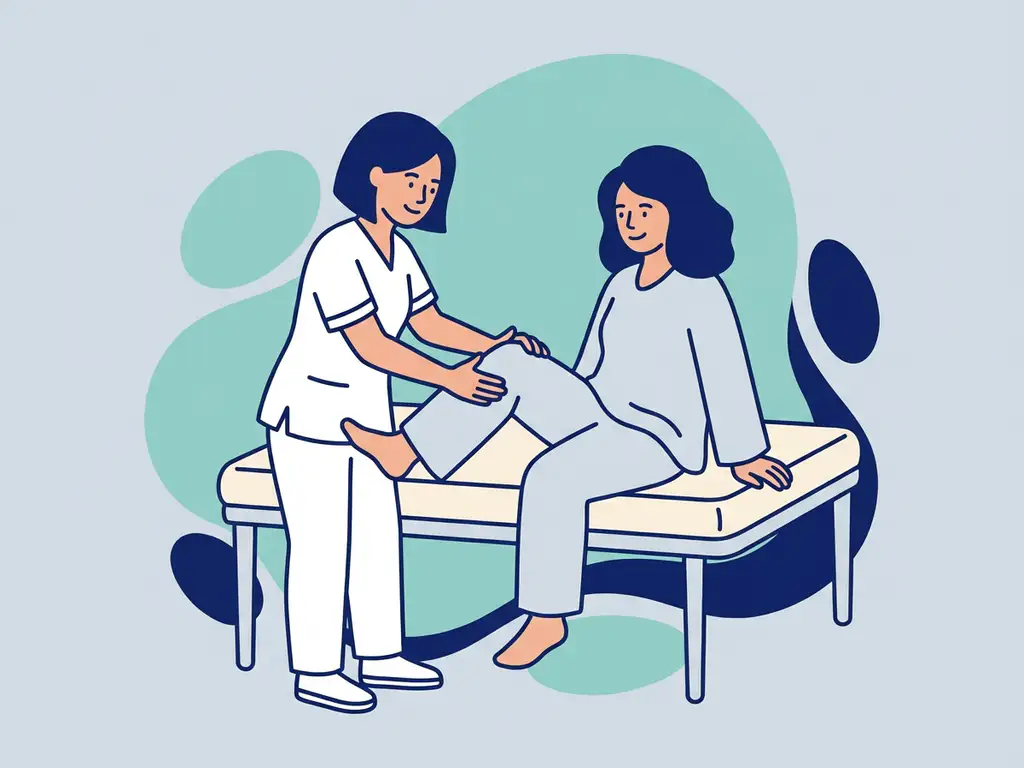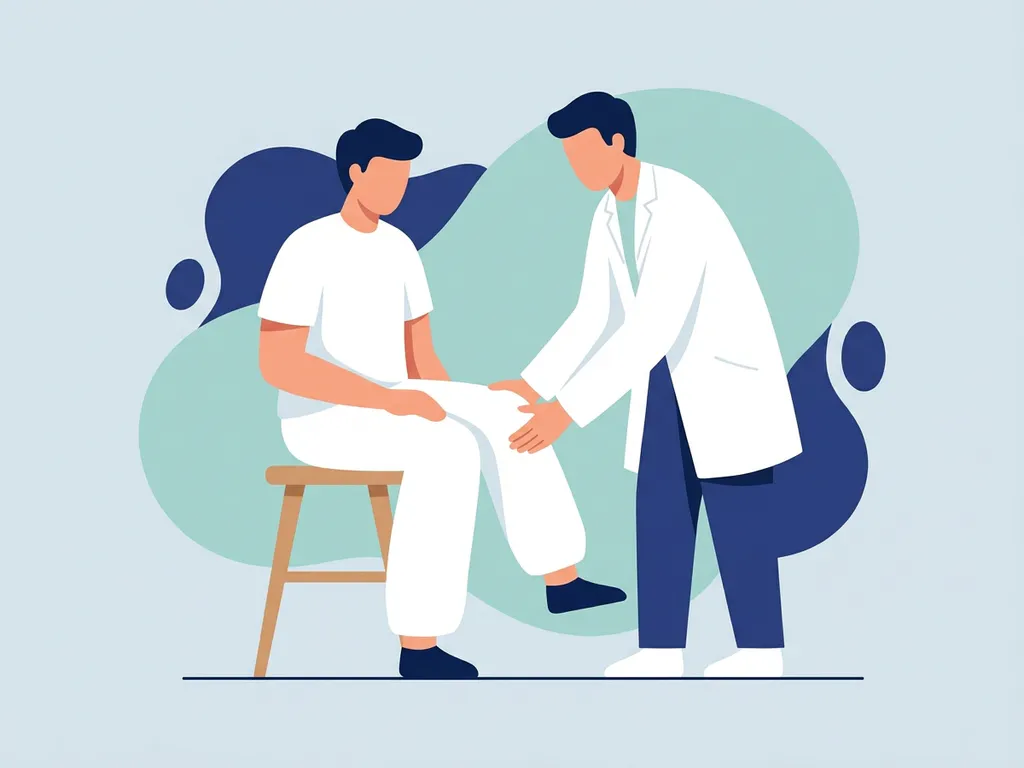
Yes, you can absolutely exercise with hip or knee osteoarthritis. In fact, staying active is one of the most effective ways to manage osteoarthritis symptoms, reduce pain, and protect joint function over time. The key is choosing the right types of movement and building up gradually under proper guidance. This article answers the most common questions about combining sport and osteoarthritis, including what physiotherapy in Breda can do to help you stay active safely.
Can you exercise with hip or knee osteoarthritis?
Yes, exercising with hip or knee osteoarthritis is not only safe for most people, it is actively recommended. Movement helps strengthen the muscles around the joint, reduces stiffness, and improves the joint’s ability to handle daily loads. Rest and inactivity, by contrast, tend to weaken supportive muscles and make symptoms worse over time.
The important distinction is between the right kind of exercise and the wrong kind. Activities that place excessive impact or stress on an already sensitive joint can increase inflammation and pain. But well-chosen, structured movement builds what physiotherapists call load capacity, meaning the joint gradually becomes better equipped to handle the demands placed on it. This is the foundation of effective osteoarthritis management.
What types of sport are best for people with osteoarthritis?
Low-impact sports that keep you moving without jarring the joint are generally the best choice for people with hip or knee osteoarthritis. These activities improve cardiovascular fitness, strengthen supporting muscles, and maintain range of motion without overloading cartilage.
- Swimming and water aerobics: Water reduces the effective weight on your joints while still providing resistance for muscle building.
- Cycling: A smooth, rhythmic motion that strengthens the quadriceps and glutes without heavy impact.
- Walking: Accessible and effective, especially on flat or soft terrain. Short, regular walks are better than long, infrequent ones.
- Yoga and Pilates: Support flexibility, balance, and core strength, all of which take pressure off the hip and knee.
- Strength training: When properly guided, targeted resistance exercises are among the most powerful tools for reducing osteoarthritis pain.
High-impact sports like running on hard surfaces, football, or tennis are not automatically off-limits, but they require careful management and a strong muscular foundation before you attempt them.
How does physiotherapy in Breda help you keep exercising with osteoarthritis?
Physiotherapy in Breda helps people with osteoarthritis stay active by creating a structured, personalized plan that matches the right exercises to your specific joint condition, fitness level, and daily life. Rather than telling you to rest, a physiotherapist works with you to find the movement your body can handle and then gradually builds on it.
A good physiotherapy approach combines education about your condition with hands-on treatment and targeted exercise therapy. You learn what is actually happening in your joint, why certain movements hurt, and how to modify your activity without giving it up entirely. Progress is monitored closely so adjustments can be made quickly when needed. For people in and around Breda, this kind of specialized guidance makes the difference between giving up sport and continuing to enjoy it with confidence.
What happens if you ignore osteoarthritis and keep pushing through pain?
Ignoring osteoarthritis and continuing to exercise through significant pain can accelerate joint damage, increase inflammation, and lead to compensatory movement patterns that harm other parts of the body. Pain is a signal that your joint is being loaded beyond what it can currently handle, and repeatedly crossing that threshold without addressing the underlying cause makes recovery harder.
Over time, untreated osteoarthritis tends to progress. Muscles weaken from guarding against pain, mobility decreases, and what started as manageable discomfort can develop into a significant limitation on daily life. The goal is not to stop moving, but to move smarter. Addressing symptoms early with the right support gives you far more options than waiting until the pain becomes severe.
Should you stop playing sports before a hip or knee replacement?
No, you should not stop all physical activity before a hip or knee replacement. On the contrary, staying as active as possible in the period before surgery, known as prehabilitation, significantly improves surgical outcomes and speeds up recovery afterward. Stronger muscles and better cardiovascular fitness going into the operation mean less time needed to regain function on the other side.
The type and intensity of sport does need to be adapted. Activities that cause sharp pain or place extreme loads on the joint should be modified or temporarily paused. But low-impact movement, guided strength exercises, and mobility work are all beneficial right up to surgery. A physiotherapist can help you find the right balance and ensure you go into the operating room as prepared as possible.
Where can people in Breda get specialized osteoarthritis physiotherapy?
People in and around Breda looking for specialized osteoarthritis physiotherapy can turn to Vief Leven, a practice dedicated entirely to helping people with hip and knee osteoarthritis live more active, pain-free lives. Based in the Tilburg region, Vief Leven works with patients from Breda and the surrounding area who want expert, focused care rather than a generic treatment approach.
Here is what Vief Leven offers for people with osteoarthritis:
- Personalized treatment plans built around your specific joint condition, lifestyle, and goals
- Exercise therapy using advanced equipment to build joint load capacity safely and measurably
- Prehabilitation and post-operative rehabilitation for those preparing for or recovering from a knee or hip replacement
- The Vitaliteitsclub, a unique space where people with osteoarthritis can exercise safely in a supportive environment
- Home physiotherapy for patients in the early phases of post-operative recovery
The approach at Vief Leven is always personal, always focused on your progress, and always aimed at helping you stay active on your own terms. Ready to take the first step? Make an appointment and find out what specialized osteoarthritis care can do for you.
Veelgestelde vragen
How do I know if my pain during exercise is normal or a warning sign I should stop?
A useful rule of thumb is the 0–10 pain scale: mild discomfort during exercise (around 3–4 out of 10) that fades within an hour after finishing is generally acceptable and expected when building load capacity. Pain that spikes above a 5, lingers for more than a day after activity, or comes with significant swelling is a signal to scale back and consult your physiotherapist. Learning to distinguish ‘working’ discomfort from harmful pain is one of the most important skills a physiotherapist will help you develop.
How often should I exercise if I have hip or knee osteoarthritis?
Most guidelines recommend aiming for at least 150 minutes of moderate-intensity low-impact activity per week, spread across multiple sessions rather than concentrated in one or two long efforts. Short, consistent sessions — for example, 30 minutes five times a week — are far more effective and joint-friendly than sporadic bursts of intense activity. Your physiotherapist will tailor a specific frequency and volume to your current fitness level and how your joint responds to load.
Can losing weight really make a difference to my osteoarthritis symptoms?
Yes, significantly. Research shows that even a modest reduction in body weight — around 5–10% — can meaningfully reduce the load placed on the knee and hip joints with every step, which translates directly into less pain and better function. The good news is that the low-impact exercises best suited to osteoarthritis, such as swimming, cycling, and walking, also support healthy weight management. Combining structured exercise with nutritional awareness gives you a powerful, non-surgical tool for symptom control.
What are the most common mistakes people with osteoarthritis make when starting an exercise programme?
The most frequent mistake is doing too much too soon — starting with high intensity or long duration before the joint has had time to adapt, which leads to a painful flare-up and discourages further effort. A close second is avoiding exercise entirely during a flare, when gentle, modified movement is usually still beneficial and helps reduce inflammation faster than complete rest. Working with a physiotherapist from the start helps you avoid both extremes and build a sustainable routine that actually sticks.
Are there any exercises I should definitely avoid with hip or knee osteoarthritis?
There are no universally forbidden exercises, but certain movements tend to be problematic in the early stages or during flare-ups — these include deep squats, high-impact jumping, running on hard surfaces, and any activity that involves sudden twisting or pivoting on a loaded joint. The key word is ‘currently’: an exercise that is too demanding today may become entirely manageable after several months of structured physiotherapy. Rather than creating a permanent list of things to avoid, the goal is to build the strength and load capacity that opens up more options over time.
Can I continue exercising during an osteoarthritis flare-up, or should I rest completely?
Complete rest is rarely the right answer during a flare-up. While you should reduce intensity and avoid movements that sharply aggravate pain, gentle activity — such as short walks, water-based exercise, or light mobility work — helps maintain circulation, reduce stiffness, and prevent the muscle weakness that makes flare-ups worse. Think of it as dialling down rather than switching off. Your physiotherapist can advise on specific modifications to keep you moving safely until the flare settles.
How long does it typically take to notice improvements from physiotherapy for osteoarthritis?
Most people begin to notice meaningful improvements in pain levels, stiffness, and confidence in movement within 6 to 12 weeks of consistent, guided exercise therapy. That said, osteoarthritis management is a long-term process rather than a quick fix — the structural changes in the joint do not reverse, but the muscles, movement patterns, and load capacity that protect it continue to improve with ongoing effort. Many patients find that after an initial programme, they can maintain their progress largely independently, with periodic check-ins for reassurance and progression.