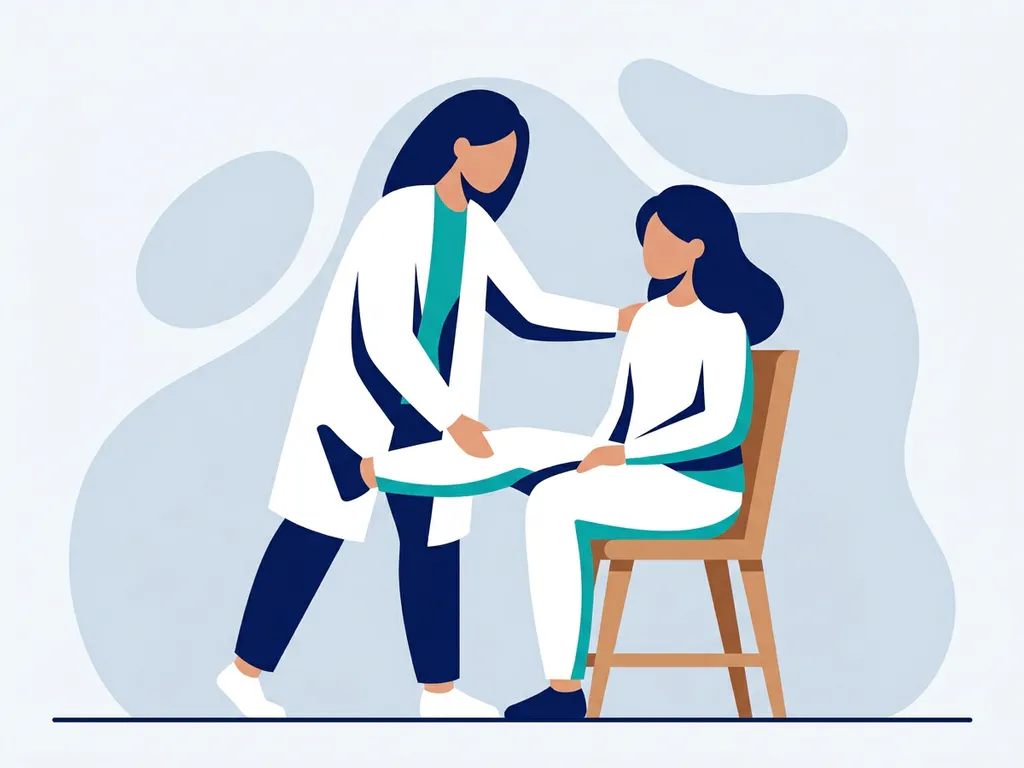
Na een heupoperatie in of rondom Eindhoven heb je doorgaans fysiotherapie nodig die gericht is op het herstel van kracht, beweeglijkheid en dagelijks functioneren. De juiste begeleiding helpt je sneller op de been, vermindert pijn en zorgt ervoor dat je nieuwe heup optimaal gaat functioneren. Dit artikel beantwoordt de meest gestelde vragen over fysiotherapie na een heupoperatie.
What kind of physiotherapy do you need after hip surgery?
After hip surgery, you need physiotherapy focused on three core goals: restoring range of motion in the new joint, rebuilding muscle strength around the hip, and retraining your body to move safely and confidently in daily life. This is not general exercise guidance but a structured, progressive rehabilitation program tailored to your specific procedure and recovery phase.
In the first weeks after a hip replacement, therapy concentrates on basic mobility, safe movement patterns, and managing swelling. As recovery progresses, the emphasis shifts toward strength training, balance, and gradually returning to activities like walking longer distances, climbing stairs, and resuming hobbies. A good physiotherapist will also teach you which movements to avoid during the early healing phase and how to protect your new hip while it integrates fully.
Exercise therapy is the backbone of hip rehabilitation. Research consistently shows that patients who follow a structured physiotherapy program after a hip replacement recover faster, experience less pain, and achieve better long-term function than those who rely solely on rest.
How soon after a hip operation can physiotherapy start?
Physiotherapy after a hip operation typically begins within 24 to 48 hours of surgery, often while you are still in the hospital. Early mobilization is now considered a standard part of modern hip replacement recovery, as getting the joint moving quickly reduces the risk of complications and supports faster healing.
A hospital physiotherapist will guide your first steps and teach you how to get in and out of bed safely. Once discharged, usually within one to three days for most patients, outpatient or home-based physiotherapy takes over. The transition from hospital to home is a critical moment, and having a clear plan in place before you leave the hospital makes a significant difference in how smoothly recovery unfolds.
What is the difference between home physiotherapy and clinic-based rehab?
Home physiotherapy brings the therapist to you, while clinic-based rehabilitation takes place in a specialized practice with professional equipment and a structured environment. Both have genuine value, and the right choice depends on where you are in your recovery.
In the first days and weeks after hip surgery, home physiotherapy is often the most practical option. Traveling to a clinic can be difficult and even risky when your mobility is still limited. A therapist visiting your home can also assess your actual living environment, identify hazards, and adapt exercises to the space where you actually move and live.
As your strength and mobility improve, clinic-based rehabilitation offers important advantages. Professional training equipment allows for more targeted strengthening exercises, and the therapist can monitor your progress more precisely and adjust the program accordingly. Many patients benefit most from a combination: home visits in the early phase, followed by clinic-based sessions once they can travel independently.
Should you do prehabilitation before a hip replacement?
Yes, prehabilitation before a hip replacement is strongly recommended. Prehabilitation means preparing your body physically before surgery by improving muscle strength, joint mobility, and overall fitness. Patients who arrive at surgery in better physical condition consistently recover faster and experience fewer complications during rehabilitation.
The logic is straightforward: the stronger and more mobile your hip and surrounding muscles are before the operation, the easier it is to rebuild those capacities afterward. Even a few weeks of targeted exercise before surgery can meaningfully shorten recovery time and improve outcomes. Prehabilitation also prepares you mentally, giving you a clearer picture of what rehabilitation will involve and reducing anxiety about the process.
If surgery has been recommended or planned, starting physiotherapy before the procedure is one of the most effective steps you can take to set yourself up for a smooth recovery.
How do you find a physiotherapist in Eindhoven after hip surgery?
To find a physiotherapist in Eindhoven after hip surgery, look for a practice that specializes specifically in hip rehabilitation rather than a general physiotherapy clinic. Specialization matters because hip recovery requires precise knowledge of post-operative protocols, load management, and progressive exercise therapy.
Key things to look for include experience with hip replacements, access to professional training equipment, and a personalized approach that tracks your progress over time. It is also worth considering whether the practice offers home visits for the early recovery phase, as this can make the transition from hospital to independent living significantly smoother.
Hoe Vief Leven helpt na een heupoperatie
Vief Leven is een gespecialiseerde fysiotherapiepraktijk gericht op heup- en knieklachten, inclusief herstel na een heupoperatie. Vanuit Tilburg, op korte afstand van Eindhoven, biedt Vief Leven een complete begeleiding: van voorbereiding op de operatie tot en met het volledige revalidatietraject daarna.
- Fysiotherapie aan huis in de vroege herstelfase, zodat je direct na ontslag uit het ziekenhuis de juiste begeleiding hebt
- Gespecialiseerde oefentherapie in een moderne trainingsomgeving met geavanceerde apparatuur voor nauwkeurige voortgangsmonitoring
- Prehabilitatie voor mensen die een heupoperatie gepland hebben en zo fit mogelijk de ingreep in willen gaan
- Een persoonlijk behandelplan op basis van jouw specifieke situatie, klachten en doelen
- De Vitaliteitsclub voor mensen die na hun revalidatie actief willen blijven en klachten willen verminderen
Wil je weten wat Vief Leven voor jou kan betekenen na een heupoperatie? Bekijk meer over heup artrose behandeling of neem direct contact op via een afspraak maken. Voor meer informatie over de praktijk en aanpak, bezoek Vief Leven.
Veelgestelde vragen
How long does physiotherapy after a hip replacement typically last?
Most patients need structured physiotherapy for around 3 to 6 months after a hip replacement, though this varies depending on your age, fitness level before surgery, and how well recovery progresses. The first 6 weeks are the most intensive, focusing on basic mobility and pain management, while later phases shift toward strength, balance, and returning to normal activities. Your physiotherapist will regularly reassess your progress and adjust the program accordingly, so there is no fixed endpoint — recovery is complete when you have regained the function and independence relevant to your personal goals.
What are the most common mistakes people make during hip replacement recovery?
One of the most common mistakes is doing too much too soon — resuming activities like driving, gardening, or longer walks before the hip is ready, which can cause setbacks or complications. Equally problematic is doing too little: skipping exercises, relying too heavily on rest, or avoiding movement out of fear of pain. Another frequent error is stopping physiotherapy the moment pain subsides, rather than completing the full strengthening and functional training program. Consistent, guided exercise throughout the entire recovery period is what leads to lasting results.
Are there specific movements or positions I should avoid after hip surgery?
Yes — depending on the surgical approach used, your surgeon and physiotherapist will give you a list of movement restrictions to follow during the early healing phase, typically the first 6 to 12 weeks. Common precautions include avoiding bending the hip beyond 90 degrees, crossing your legs, or rotating the foot inward, as these positions can risk dislocating the new joint before the surrounding tissues have fully healed. Your physiotherapist will teach you safe alternatives for everyday activities like sitting, dressing, and getting in and out of a car, so you can stay mobile without putting the hip at risk.
Can I do physiotherapy exercises at home on my own, or do I always need a therapist present?
A combination of both is typically the most effective approach. Your physiotherapist will design a home exercise program that you perform independently between sessions — these daily exercises are a critical part of recovery and should not be skipped. However, supervised sessions with a therapist are equally important for monitoring your technique, progressing the difficulty of exercises at the right pace, and catching any issues early. Performing exercises incorrectly without guidance can reinforce poor movement patterns or place unnecessary strain on the hip, so self-directed exercise works best as a complement to professional supervision, not a replacement for it.
What should I expect in terms of pain during physiotherapy after hip surgery?
Some discomfort during and after physiotherapy sessions is completely normal, particularly in the first weeks when tissues are still healing and muscles are being reactivated. The key distinction is between productive discomfort — a mild ache or muscle fatigue that settles within 24 hours — and warning pain that is sharp, worsening, or accompanied by swelling or heat around the joint. Always communicate openly with your physiotherapist about what you are feeling; they will adjust the intensity of exercises to keep you progressing without overloading the hip. Pain that consistently spikes after sessions or does not settle overnight is a signal to flag with both your therapist and your surgeon.
How do I know if my hip recovery is on track?
Your physiotherapist will use regular assessments to track measurable milestones such as range of motion, muscle strength, walking distance, and balance — giving you objective markers of progress rather than relying on how you feel on any given day. General recovery benchmarks include walking without aids by around 4 to 6 weeks, returning to light daily activities by 6 to 8 weeks, and achieving close-to-full function by 3 to 6 months, though individual timelines vary. If you feel your recovery has plateaued or you are experiencing persistent pain, swelling, or reduced mobility, raise this with your physiotherapist promptly — early intervention on a setback is far more effective than waiting it out.
Is it worth continuing exercise after physiotherapy officially ends?
Absolutely — long-term physical activity is one of the strongest predictors of sustained function and quality of life after a hip replacement. Once formal rehabilitation ends, transitioning into a regular exercise routine that includes strength training, walking, and low-impact activities helps protect the new joint, maintain muscle mass, and reduce the risk of future problems. Many specialized physiotherapy practices, including Vief Leven, offer ongoing fitness and vitality programs specifically designed for people who have completed hip rehabilitation and want to stay active and healthy long-term.