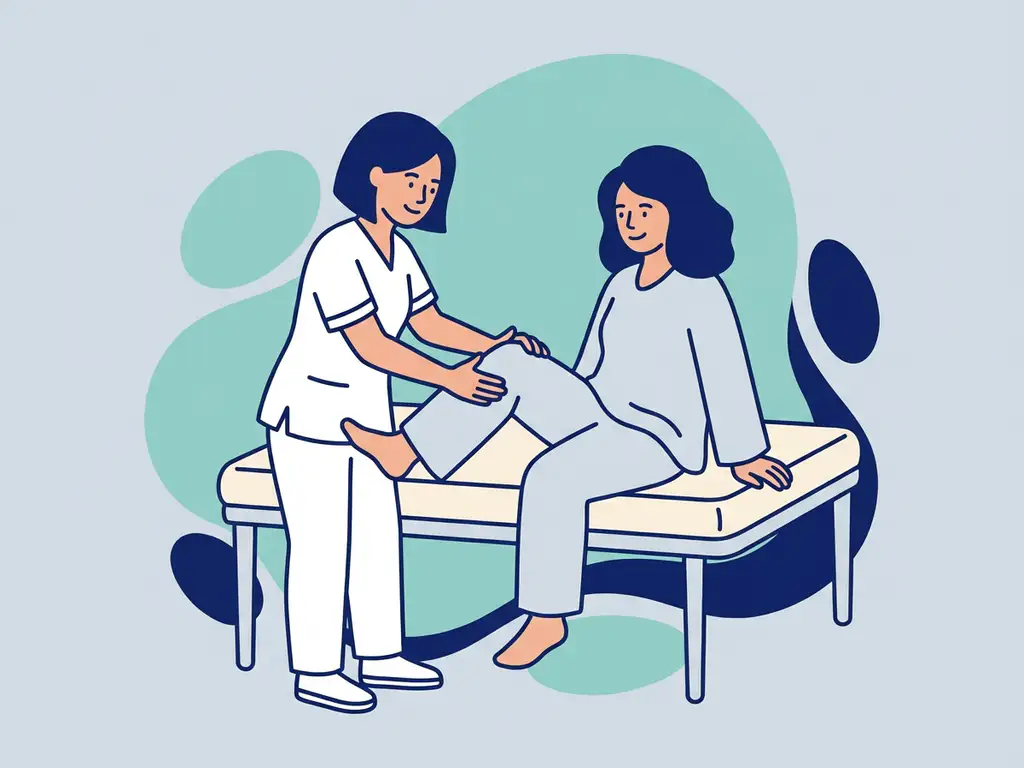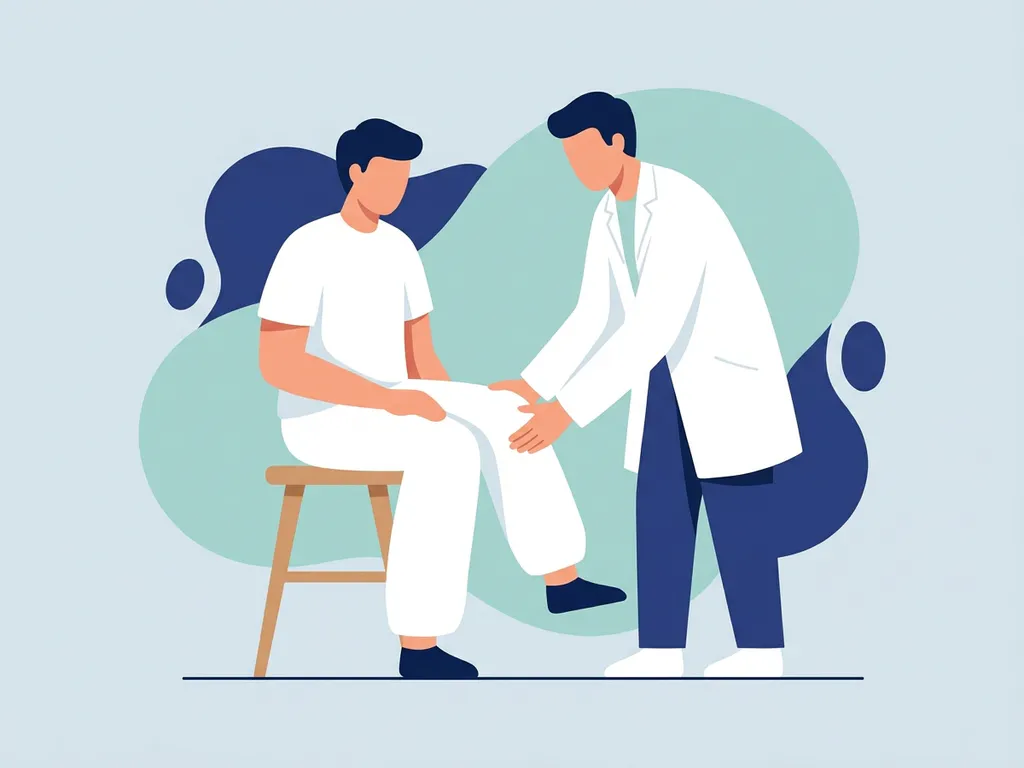
Een opvlamming bij artrose herken je aan een plotselinge toename van pijn, zwelling en stijfheid in het aangetaste gewricht, vaak zonder een duidelijke aanleiding. Voor mensen met heup- of knieartrose in de regio Breda zijn dit soort perioden verwarrend en ontmoedigend, maar ze zijn een normaal onderdeel van het verloop van artrose. In dit artikel beantwoorden we de meest gestelde vragen over opvlammingen, van de oorzaken tot het moment waarop je professionele hulp zoekt.
What triggers an osteoarthritis flare-up?
An osteoarthritis flare-up is triggered when the balance between joint load and joint capacity is disrupted. Common causes include sudden changes in physical activity, cold or damp weather, prolonged sitting or standing, stress, and being overweight. Even a small shift in daily routine can be enough to set off increased inflammation and pain in an already sensitive joint.
The hip and knee joints are particularly vulnerable because they carry the full weight of the body with every step. When you suddenly do more than your joints are used to, such as a long walk or a day of gardening, the tissue around the joint reacts with swelling and pain. Likewise, too little movement can stiffen the joint and lower its tolerance, making the next burst of activity feel much harder. Stress and poor sleep are often underestimated contributors, as they raise the body’s overall sensitivity to pain and slow tissue recovery.
What are the symptoms of an osteoarthritis flare-up?
The main symptoms of an osteoarthritis flare-up are a noticeable increase in joint pain, visible or felt swelling, warmth around the joint, and pronounced stiffness that is worse in the morning or after rest. These symptoms go beyond the usual daily discomfort of osteoarthritis and can significantly limit movement and daily activities.
During a flare-up, you may find it harder to climb stairs, get up from a chair, or walk for any meaningful distance. The joint may feel unstable or give way unexpectedly. Some people also experience a dull, persistent ache at night that disrupts sleep. It is important to distinguish a flare-up from an injury: with a flare-up, the pain tends to build gradually over hours or a day or two rather than appearing instantly after a specific incident.
How long does an osteoarthritis flare-up last?
Most osteoarthritis flare-ups last between a few days and two weeks. Mild flare-ups triggered by overexertion often resolve within three to five days with adequate rest and gentle movement. More intense episodes, particularly those linked to weather changes or a period of prolonged stress, can persist for up to two weeks before symptoms return to their baseline level.
The duration depends heavily on how quickly you respond. Continuing to push through high levels of pain generally prolongs the flare-up, while finding the right balance between rest and light, pain-free movement tends to shorten it. If symptoms do not improve after two weeks, or if they keep recurring frequently, that is a signal worth taking seriously.
What should you do during an osteoarthritis flare-up?
During an osteoarthritis flare-up, the priority is to reduce load on the affected joint while keeping it gently mobile. Avoid activities that sharply increase pain, apply cold or warmth depending on what provides relief, and continue moving within a pain-free range. Complete rest is rarely helpful and can actually slow recovery.
Practical steps that support recovery during a flare-up include:
- Adjust your activity level: Temporarily reduce intensity, but do not stop moving entirely. Short, gentle walks are usually better than lying still all day.
- Use cold or heat: Cold packs can reduce acute swelling, while warmth helps loosen stiff muscles around the joint. Try both and use what works for you.
- Support your sleep position: A pillow between the knees (for hip complaints) or under the knee (for knee complaints) can reduce pressure overnight.
- Avoid new exercises: A flare-up is not the moment to start a new exercise programme. Stick to movements you already know are safe for your body.
- Monitor your symptoms: Keep a simple note of what makes things better or worse. This information is valuable if you later speak with a physiotherapist.
When should a flare-up prompt a visit to a physiotherapist?
You should contact a physiotherapist when a flare-up lasts longer than two weeks, occurs repeatedly, or significantly limits your ability to carry out daily activities. A physiotherapist can assess whether the flare-up is part of a pattern that needs a structured approach, and help you build up the joint’s load capacity so future flare-ups become less frequent and less severe.
Other situations that warrant professional guidance include flare-ups that consistently wake you at night, swelling that does not reduce after several days, or a sense that your overall function is declining over time rather than returning to a stable baseline after each episode.
Hoe Vief Leven helpt bij opvlammingen door artrose
Bij Vief Leven in Tilburg begrijpen we hoe ingrijpend een opvlamming kan zijn, zeker als je al eerder behandeld bent zonder het gewenste resultaat. Onze aanpak is volledig gericht op jouw specifieke situatie, met een persoonlijk behandelplan dat aansluit bij de fase waarin jij je bevindt. Wat Vief Leven biedt:
- Een persoonlijk behandelplan op basis van jouw klachten, belastbaarheid en dagelijkse leven
- Gerichte oefentherapie om de belastbaarheid van je heup of knie stap voor stap te vergroten
- Duidelijke uitleg over wat er in je gewricht gebeurt, zodat je opvlammingen beter herkent en erop kunt anticiperen
- Begeleiding bij knieartrose en heupklachten, ook als je eerder elders bent behandeld zonder resultaat
- Een data-gedreven aanpak met geavanceerde trainingsapparatuur, zodat voortgang meetbaar is en het plan snel bijgesteld kan worden
Woon je in Breda of de regio en herken je jezelf in de klachten die in dit artikel beschreven worden? Neem dan de stap naar een aanpak die echt op jou is afgestemd. Maak een afspraak en ontdek wat Vief Leven voor jou kan betekenen.
Veelgestelde vragen
Can I prevent osteoarthritis flare-ups from happening in the first place?
While you cannot fully prevent flare-ups, you can significantly reduce their frequency and severity by building consistent joint load capacity through regular, low-impact exercise such as swimming, cycling, or walking. Keeping track of your personal triggers — such as specific activities, weather changes, or stress levels — allows you to anticipate and manage high-risk periods more effectively. A physiotherapist can help you develop a structured routine that keeps your joints conditioned without pushing them past their tolerance.
Is it safe to exercise during a flare-up, or should I rest completely?
Complete rest is generally not recommended and can actually make recovery slower by reducing circulation and increasing joint stiffness. The key is to stay gently active within a pain-free or low-pain range — think short, flat walks or gentle range-of-motion movements rather than your usual workout routine. If an activity causes pain that persists for more than an hour after you stop, that is a sign you have done too much and should scale back further.
How do I know whether my pain is a flare-up or a sign of something more serious, like a fracture or infection?
A flare-up typically builds gradually over hours or a couple of days and is linked to a recognisable trigger such as overactivity or weather change, whereas a fracture causes sudden, sharp pain directly after a specific incident. Signs that something more serious may be happening include a joint that is intensely hot and swollen without a clear cause, fever, or pain that is completely different in character from your usual osteoarthritis symptoms. In any of these cases, seek medical attention promptly rather than waiting to see if it settles on its own.
Can pain medication help during a flare-up, and are there any risks to be aware of?
Over-the-counter anti-inflammatory medications such as ibuprofen can help reduce pain and swelling during a flare-up and are commonly used for short-term relief. However, relying on medication to push through high levels of activity can mask important pain signals that protect your joint from further irritation, so it is best used to support rest and gentle movement rather than to enable overexertion. Always consult your GP or pharmacist before using anti-inflammatories regularly, especially if you have any stomach, kidney, or cardiovascular concerns.
My flare-ups seem to get worse in cold or damp weather — is that a real pattern, and what can I do about it?
Yes, weather sensitivity is a well-documented and very common experience among people with osteoarthritis, with changes in barometric pressure and temperature thought to influence joint fluid and surrounding tissue sensitivity. While you cannot control the weather, you can prepare for it by keeping the affected joint warm with thermal supports or compression sleeves, adjusting your activity level on high-risk days, and maintaining a consistent exercise routine that keeps the joint as resilient as possible year-round. Tracking your symptoms alongside weather conditions in a simple diary can help you identify your personal pattern and plan ahead.
What lifestyle changes outside of exercise can help reduce the impact of flare-ups over time?
Sleep quality, stress management, and body weight are three of the most impactful lifestyle factors beyond exercise. Poor sleep raises the body’s overall pain sensitivity and slows tissue recovery, while chronic stress elevates inflammatory markers that can worsen joint symptoms. Maintaining a healthy weight reduces the mechanical load on hip and knee joints with every step — even a modest weight reduction of five to ten kilograms can make a meaningful difference in how frequently and severely flare-ups occur.
I've had physiotherapy before without much success — is it worth trying again?
Yes, and the reason previous treatment may not have worked is often related to approach rather than the therapy itself — generic exercise programmes that are not matched to your current load capacity and daily life tend to produce limited results. A more individualised approach that accounts for your specific joint condition, activity level, and goals — and that adjusts progressively based on measurable outcomes — is significantly more likely to deliver lasting improvement. If your previous experience felt one-size-fits-all, seeking a physiotherapist who uses a personalised, data-informed method is a worthwhile next step.