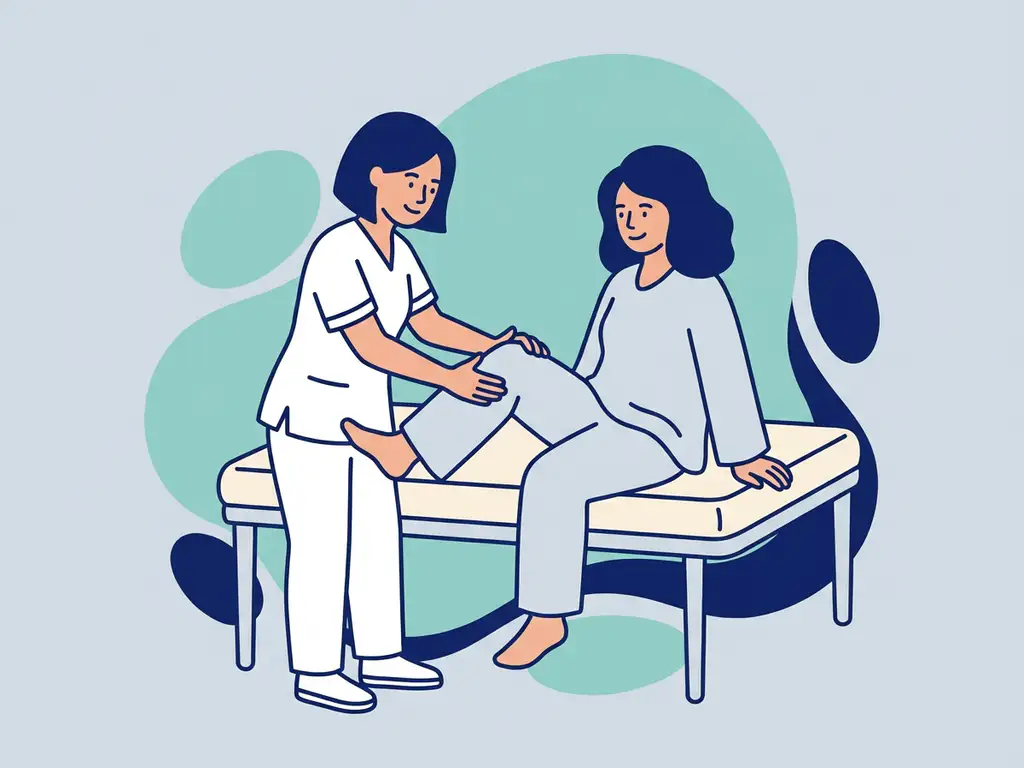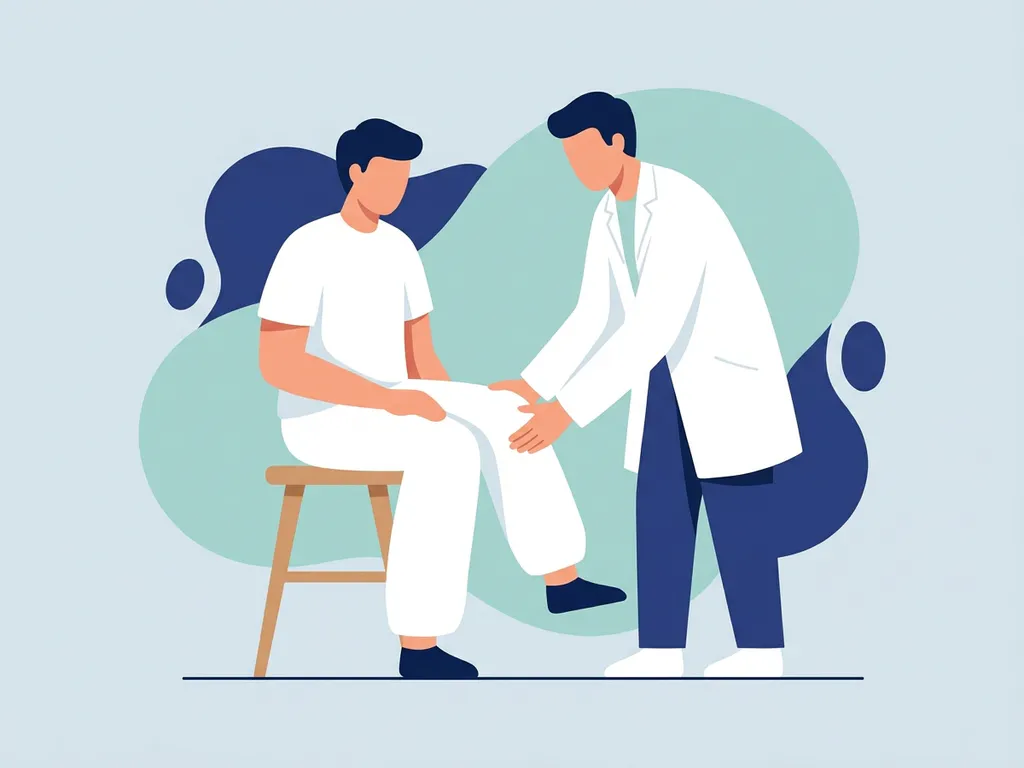
Beginnende artroseklachten in de heup of knie beginnen vaak als stijfheid na rust, een zeurend gevoel bij beweging, of moeite met alledaagse activiteiten zoals traplopen of opstaan uit een stoel. Deze eerste signalen worden door veel mensen onderschat of toegeschreven aan gewone veroudering, terwijl vroeg ingrijpen het verschil kan maken tussen progressie en herstel. Dit artikel beantwoordt de meest gestelde vragen over het herkennen en aanpakken van artrose in een vroeg stadium.
What are the first signs of osteoarthritis in the hip or knee?
The first signs of osteoarthritis in the hip or knee are stiffness after rest, a dull aching sensation during or after movement, and reduced range of motion. These early symptoms are often most noticeable in the morning or after sitting for a long period, and they typically ease once the joint warms up with gentle activity.
In the knee, early osteoarthritis may feel like a grinding or creaking sensation when bending or straightening the leg. In the hip, the first signs often appear as discomfort deep in the groin, the outer thigh, or even the buttock. Many people also notice that activities they once performed without effort, such as climbing stairs, crouching, or getting in and out of a car, have started to feel noticeably harder.
What makes early recognition challenging is that these complaints are intermittent at first. A person may feel fine for several days and then experience a flare after a longer walk or a more demanding day. This unpredictability leads many people to dismiss the symptoms rather than investigate them.
How does osteoarthritis pain differ from other joint pain?
Osteoarthritis pain is typically a deep, aching discomfort that increases with activity and improves with rest, especially in the early stages. Unlike inflammatory joint conditions such as rheumatoid arthritis, osteoarthritis pain is not usually accompanied by significant warmth, redness, or systemic symptoms like fatigue or fever.
Another distinguishing feature is the pattern of stiffness. With osteoarthritis, morning stiffness usually lasts less than thirty minutes and loosens as the joint moves. Inflammatory arthritis, by contrast, tends to produce prolonged stiffness that can last an hour or more. Osteoarthritis discomfort also tends to be localized to a specific joint rather than affecting multiple joints symmetrically at the same time.
Pain that wakes a person at night, or joint pain accompanied by unexplained weight loss or persistent swelling, warrants prompt medical evaluation, as these patterns may indicate a different underlying condition.
Why do osteoarthritis symptoms often worsen gradually over time?
Osteoarthritis symptoms worsen gradually because the condition involves a slow deterioration of the cartilage that cushions the joint. As cartilage wears down over time, the joint absorbs impact less effectively, surrounding muscles may weaken from reduced use, and the body responds with inflammation that further limits movement and increases discomfort.
This gradual progression is partly driven by a cycle that many patients fall into without realizing it. Pain leads to reduced activity, reduced activity leads to muscle weakening, and weaker muscles place more stress on the joint, accelerating the wear. Without intervention, this cycle tends to compound over months and years.
Age, body weight, previous joint injuries, and genetics all influence the pace of progression. However, the trajectory is not fixed. Research consistently shows that targeted exercise and physiotherapy can interrupt this cycle, strengthen the muscles around the joint, and meaningfully slow the worsening of symptoms.
When should you see a physiotherapist for joint complaints?
You should see a physiotherapist for joint complaints as soon as symptoms begin to affect your daily life, even if those complaints feel mild or manageable. Waiting for the pain to become severe before seeking help is one of the most common reasons people lose ground that is difficult to recover later.
Specific signals that it is time to seek professional guidance include:
- Stiffness or pain that has persisted for more than a few weeks
- Difficulty with activities such as climbing stairs, walking longer distances, or rising from a chair
- Noticeably reduced range of motion in the hip or knee
- Adapting your posture or gait to avoid pain
- Reluctance to participate in activities you previously enjoyed
Early physiotherapy is particularly valuable because it provides a clear diagnosis, a personalized plan, and the tools to manage the condition before it significantly limits independence. For people in the Den Bosch region considering their options, accessible specialist care is available closer than many realize.
How does physiotherapy help in the early stages of osteoarthritis?
In the early stages of osteoarthritis, physiotherapy helps by strengthening the muscles that support the affected joint, improving mobility, reducing pain, and giving patients the knowledge they need to manage their condition actively. A well-structured physiotherapy program addresses both the physical and the informational needs of someone in the early phase of the condition.
Physiotherapists use exercise therapy to increase the load capacity of the knee or hip, meaning the joint and its surrounding structures become better equipped to handle the demands of daily life. This is not about pushing through pain, but about building capacity gradually and safely. Patients also learn how to adapt their movement patterns, manage flare-ups, and integrate beneficial habits into everyday routines.
Early intervention consistently produces better outcomes than waiting, because the muscles and joint structures have not yet undergone significant decline. The earlier the process starts, the more options remain available and the greater the potential for meaningful improvement in quality of life.
Hoe Vief Leven helpt bij beginnende artroseklachten
Vief Leven is een gespecialiseerde fysiotherapiepraktijk in Tilburg die zich volledig richt op heup- en knieartrose. Voor mensen in de regio Den Bosch die herkenbare klachten ervaren, biedt Vief Leven een persoonlijke aanpak die aansluit bij precies de fase waarin iemand zich bevindt. De praktijk werkt met de Vief Methode: een drietrapsaanpak waarbij een persoonlijk behandelplan centraal staat, gevolgd door gerichte informatie over de specifieke situatie van de patiënt en activering van het lichaam via oefentherapie.
Wat Vief Leven onderscheidt:
- Een datagedreven aanpak met geavanceerde trainingsapparatuur voor nauwkeurige voortgangsmonitoring
- Persoonlijke behandelplannen afgestemd op de klachten en het levensstadium van de patiënt
- Begeleiding zowel vóór als na een heup- of knievervangende operatie
- De Vitaliteitsclub: een veilige omgeving om actief te blijven met artrose
- Fysiotherapie aan huis voor wie in de vroege herstelfase moeite heeft met mobiliteit
Wacht niet tot de klachten erger worden. Maak vandaag nog een afspraak via viefleven.nl en ontdek wat een gerichte, persoonlijke aanpak voor jouw knieartrose of heupklachten kan betekenen.
Veelgestelde vragen
Can early-stage osteoarthritis be reversed, or only slowed down?
Osteoarthritis cannot be fully reversed, as cartilage that has already worn down does not regenerate on its own. However, early-stage symptoms can be significantly reduced, and further progression can be meaningfully slowed through targeted exercise, physiotherapy, weight management, and lifestyle adjustments. Many people in the early stages achieve such substantial improvement that their daily functioning returns to near-normal levels — the key is acting before significant joint and muscle decline has occurred.
Is it safe to keep exercising when my hip or knee hurts?
In most cases of early osteoarthritis, gentle and structured exercise is not only safe but actively recommended — rest alone tends to worsen the condition over time by weakening the supporting muscles. The important distinction is between discomfort during exercise, which is generally acceptable, and sharp or worsening pain, which is a signal to stop and reassess. A physiotherapist can help you find the right type, intensity, and frequency of movement that builds joint capacity without causing harm.
What everyday habits make early osteoarthritis symptoms worse?
Several common habits can accelerate symptom progression without people realizing it, including prolonged sitting without movement breaks, avoiding stairs or walking to protect the joint, and carrying excess body weight that increases load on the knee or hip. Ironically, the instinct to rest and protect the joint often backfires, leading to muscle weakening and increased stiffness. Small daily adjustments — such as taking short walks, doing gentle mobility exercises, and maintaining a healthy weight — can make a meaningful difference in how symptoms develop.
How long does it typically take to notice improvement with physiotherapy?
Most people with early-stage osteoarthritis begin to notice meaningful improvements in pain levels, stiffness, and daily functioning within four to eight weeks of consistent physiotherapy. However, the timeline varies depending on the severity of symptoms, overall fitness level, and how consistently the home exercise program is followed between sessions. Physiotherapy for osteoarthritis is not a quick fix but a progressive process — the improvements tend to compound over time as strength and joint capacity build.
What is the difference between a general physiotherapist and one who specializes in hip and knee osteoarthritis?
A general physiotherapist can treat a wide range of musculoskeletal conditions, while a specialist in hip and knee osteoarthritis brings focused expertise in the specific progression, exercise protocols, and self-management strategies that are most effective for this condition. Specialists are also more likely to use validated outcome measures, data-driven monitoring, and structured programs tailored to the osteoarthritis patient’s phase — whether that is early symptom management, pre-surgical preparation, or post-operative rehabilitation. For a chronic, progressive condition like osteoarthritis, that depth of specialization often leads to better long-term outcomes.
Do I need a referral from my doctor to see a physiotherapist for joint complaints?
In the Netherlands, you do not need a doctor’s referral to visit a physiotherapist — you can make an appointment directly, which is known as direct access physiotherapy (directe toegankelijkheid fysiotherapie, or DTF). This means you can seek professional assessment and treatment as soon as symptoms appear, without waiting for a GP appointment first. However, if your symptoms include unexplained swelling, night pain, or signs that suggest something other than osteoarthritis, your physiotherapist may recommend you also consult your doctor.
At what point does osteoarthritis typically require surgery, and can physiotherapy help me avoid it?
Surgery, such as a hip or knee replacement, is generally considered only when conservative treatments — including physiotherapy, exercise, pain management, and lifestyle changes — have been thoroughly tried and no longer provide sufficient relief. For many people in the early and moderate stages of osteoarthritis, a well-executed physiotherapy program can delay or even eliminate the need for surgery by maintaining joint function and managing symptoms effectively. Even for those who do eventually need an operation, being physically stronger and better informed beforehand leads to faster recovery and better surgical outcomes.