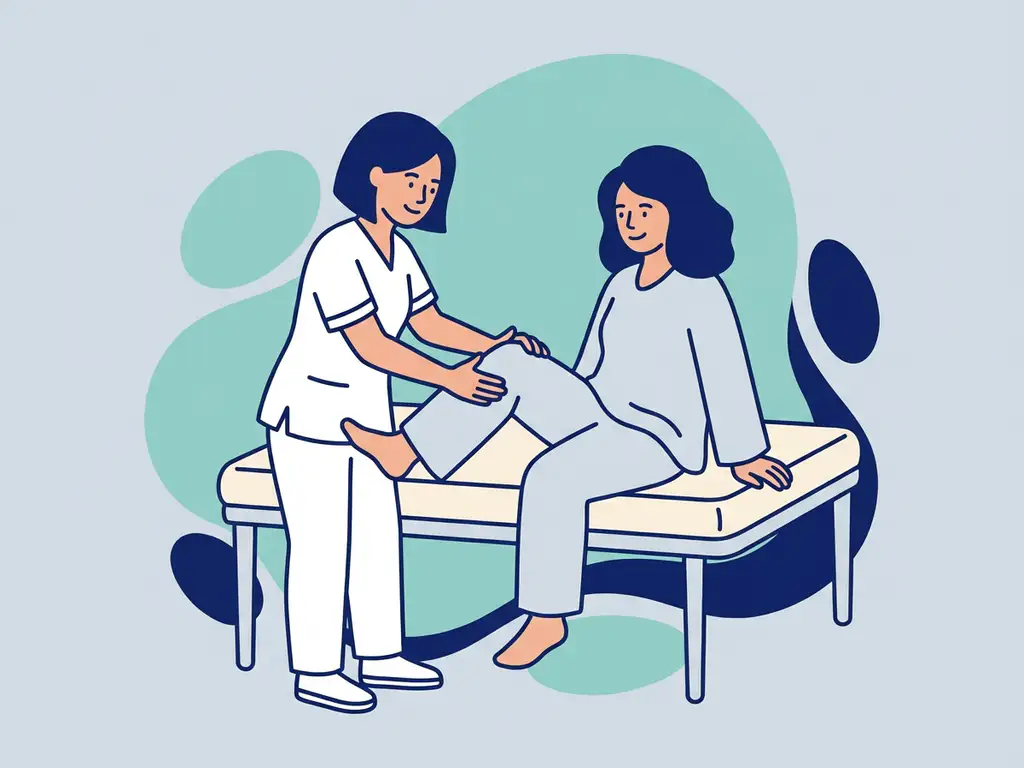
Voor mensen met handartrose in de regio Den Bosch biedt fysiotherapie een bewezen manier om pijn te verminderen, de beweeglijkheid te verbeteren en dagelijkse handelingen weer mogelijk te maken. Een gespecialiseerde fysiotherapeut stelt een persoonlijk behandelplan op dat aansluit bij jouw klachten en levensstijl. Dit artikel beantwoordt de meest gestelde vragen over handartrose en fysiotherapeutische behandeling.
What does hand osteoarthritis actually feel like day to day?
Hand osteoarthritis causes stiffness, aching pain, and reduced grip strength that affect everyday tasks. Many people notice symptoms most in the morning or after periods of rest. The joints at the base of the thumb and the finger knuckles are most commonly affected, making actions like turning a key, opening a jar, or buttoning a coat surprisingly difficult.
Throughout the day, the intensity of symptoms often fluctuates. After light activity, discomfort may ease temporarily, only to return after prolonged use. Some people notice visible swelling or bony bumps forming at the finger joints over time. Fatigue in the hands is also common, making it hard to sustain gripping tasks like writing or cooking for long periods.
For many people in their fifties and sixties, these limitations feel like more than just physical inconvenience. The inability to do things independently, from gardening to playing with grandchildren, can affect confidence and quality of life in ways that go far beyond the joints themselves.
How does physiotherapy treat hand osteoarthritis?
Physiotherapy treats hand osteoarthritis by combining targeted exercise, joint protection strategies, and education to reduce pain and improve function. Rather than focusing solely on symptom relief, a physiotherapist works to increase the load capacity of the affected joints so they can handle daily demands with less discomfort.
Treatment typically begins with a thorough assessment of your specific complaints, movement patterns, and daily activities. From there, the physiotherapist builds a personalized plan that may include:
- Strengthening exercises for the muscles surrounding the hand and wrist
- Mobility work to maintain or restore range of motion in the fingers and thumb
- Advice on joint protection during daily tasks to reduce unnecessary strain
- Guidance on activity modification so you stay active without aggravating symptoms
Education is a core part of effective physiotherapy for hand osteoarthritis. Understanding what is happening in the joint, why certain movements cause pain, and how to manage flare-ups gives patients greater confidence and control over their condition.
What exercises help with hand osteoarthritis?
Exercises that strengthen the intrinsic hand muscles, improve finger mobility, and support the thumb base are most effective for hand osteoarthritis. These exercises reduce joint load, maintain flexibility, and help prevent further stiffness. They should be done consistently but gently, staying within a comfortable range of movement.
Useful exercise categories include:
- Finger flexion and extension: Slowly opening and closing the hand to maintain joint mobility
- Thumb opposition exercises: Touching the tip of each finger to the thumb to strengthen the thumb base
- Grip strengthening: Squeezing a soft foam ball to build overall hand strength without overloading the joints
- Wrist stability work: Gentle wrist circles and resistance movements to support the surrounding structures
A physiotherapist will tailor these exercises to your specific joints and symptom pattern. Starting too aggressively or focusing on the wrong muscle groups can increase irritation, so personalized guidance matters more than following a generic routine.
Is there a physiotherapist in Den Bosch who specializes in osteoarthritis?
Yes, people in and around Den Bosch can access specialized osteoarthritis physiotherapy through Vief Leven, part of Fysio Fitaal, which focuses specifically on treating hip, knee, and hand osteoarthritis complaints. The practice uses a structured, data-driven approach to monitor progress and adjust treatment plans quickly for optimal results.
Vief Leven operates from Tilburg and is within reach for many residents of Den Bosch and the broader region. The practice uses advanced training equipment and a proprietary treatment method to build personalized plans that go beyond standard physiotherapy. For people who have already tried other treatments without lasting results, the specialized focus and measurable approach offer a meaningful alternative.
When should you see a physiotherapist for hand complaints?
You should see a physiotherapist for hand complaints as soon as symptoms begin to affect your daily activities or quality of life, without waiting for pain to become severe. Early intervention tends to produce better outcomes, and a physiotherapist can confirm whether your symptoms are consistent with osteoarthritis and guide you accordingly.
Consider making an appointment if you notice any of the following:
- Morning stiffness in the fingers or thumb that lasts longer than a few minutes
- Pain during or after everyday tasks like writing, cooking, or carrying bags
- A gradual loss of grip strength that makes previously easy actions difficult
- Visible swelling or tenderness around the finger or thumb joints
- A tendency to avoid using your hand to protect it from pain
Many people dismiss early hand complaints as a normal part of aging. In reality, targeted physiotherapy can significantly slow the progression of symptoms and help you stay active and independent for longer. Waiting too long often means more limited function and a longer road to recovery.
Hoe Vief Leven helpt bij hand artrose
Bij Vief Leven staat jouw persoonlijke situatie centraal. Onze aanpak bij handartrose is gericht op het vergroten van je belastbaarheid, het verminderen van pijn en het herstellen van je dagelijkse vrijheid. Dit doen we met een concreet stappenplan:
- Een persoonlijk behandelplan op basis van jouw klachten en doelen
- Gerichte oefentherapie met begeleiding van gespecialiseerde fysiotherapeuten
- Inzicht in jouw artrose zodat je zelf regie houdt over je herstel
- Praktische adviezen om thuis en op het werk je gewrichten te beschermen
Wil je weten wat Vief Leven voor jou kan betekenen? Lees meer over onze aanpak bij handartrose of maak direct een afspraak voor een persoonlijk kennismakingsgesprek.
Veelgestelde vragen
How long does it typically take to see results from physiotherapy for hand osteoarthritis?
Most people begin noticing meaningful improvements in pain levels and hand function within 6 to 12 weeks of consistent physiotherapy. However, the timeline varies depending on the severity of your symptoms, how long you have had the condition, and how consistently you follow your home exercise program. Physiotherapy for osteoarthritis is an ongoing process rather than a quick fix — the goal is to build lasting load capacity in the joint, which takes time and regular effort.
Can physiotherapy actually stop hand osteoarthritis from getting worse?
While physiotherapy cannot reverse the structural changes already present in the joint, it can significantly slow the progression of symptoms and functional decline. Strengthening the muscles around the affected joints reduces the mechanical stress placed on cartilage during daily activities, which helps protect the joint over time. Combined with joint protection strategies and activity modification, a well-structured physiotherapy program gives you the best non-surgical chance of maintaining hand function and independence long-term.
What should I do during a flare-up when my hand pain suddenly gets worse?
During a flare-up, the priority is to reduce joint irritation without stopping all activity entirely. Apply a warm or cold pack to the affected area (whichever you find more soothing), temporarily scale back high-demand tasks, and stick to gentle range-of-motion movements rather than strengthening exercises. It is also a good idea to contact your physiotherapist, as they can adjust your treatment plan to suit the flare-up phase and advise on whether any additional support, such as a thumb splint, would be appropriate.
Are there any tools or assistive devices that can make daily life easier with hand osteoarthritis?
Yes — a range of ergonomic and assistive tools can meaningfully reduce joint strain during everyday tasks. Jar openers, key turners, thick-grip pens, lever-style door handles, and electric can openers are all practical examples that minimize the pinching and gripping forces that aggravate hand osteoarthritis. Your physiotherapist can recommend specific tools based on which activities are most difficult for you, and may also suggest a thumb splint for tasks that consistently trigger pain at the base of the thumb.
Is it safe to exercise my hands if they are painful or swollen?
Gentle movement is generally safe and even beneficial during mild to moderate pain, but you should avoid pushing through significant swelling or sharp pain. The key principle is to work within a comfortable range — some mild discomfort during exercise is acceptable, but pain that lingers for more than an hour after exercising is a sign you have done too much. If your hands are visibly swollen, it is best to focus on very light range-of-motion movements and consult your physiotherapist before resuming a full exercise routine.
Do I need a referral from my doctor to see a physiotherapist for hand osteoarthritis?
In the Netherlands, you do not need a doctor’s referral to access physiotherapy — you can contact a practice like Vief Leven directly and book an intake appointment. However, if you have not yet received a formal diagnosis, it can be useful to visit your GP first to rule out other conditions such as rheumatoid arthritis, which requires a different treatment approach. A physiotherapist will also conduct their own assessment during your first appointment to determine whether your symptoms align with osteoarthritis and whether physiotherapy is the right path forward.
What is the difference between hand osteoarthritis and rheumatoid arthritis, and does it affect treatment?
Hand osteoarthritis is a degenerative condition caused by wear and breakdown of joint cartilage over time, while rheumatoid arthritis is an autoimmune disease where the body’s immune system attacks the joint lining. The two conditions can feel similar but have important differences: rheumatoid arthritis often causes more symmetrical joint involvement, prolonged morning stiffness, and systemic symptoms like fatigue or fever. The distinction matters for treatment because rheumatoid arthritis requires medical management alongside physiotherapy, whereas osteoarthritis is primarily managed through exercise, load management, and lifestyle strategies — making an accurate diagnosis an important first step.