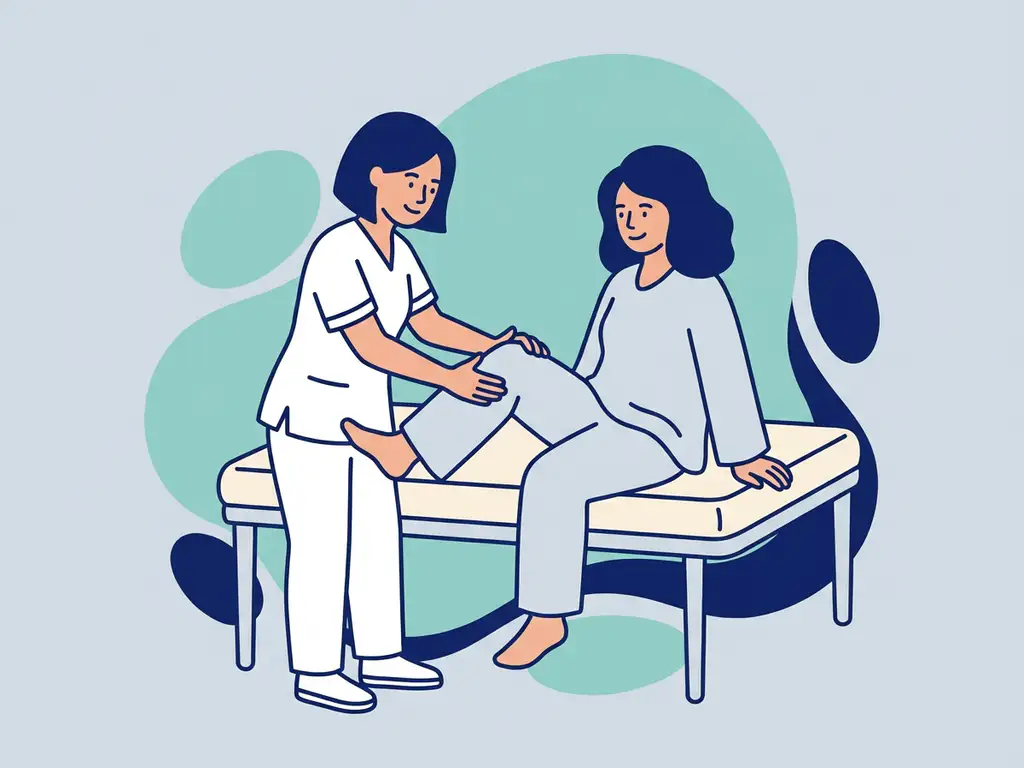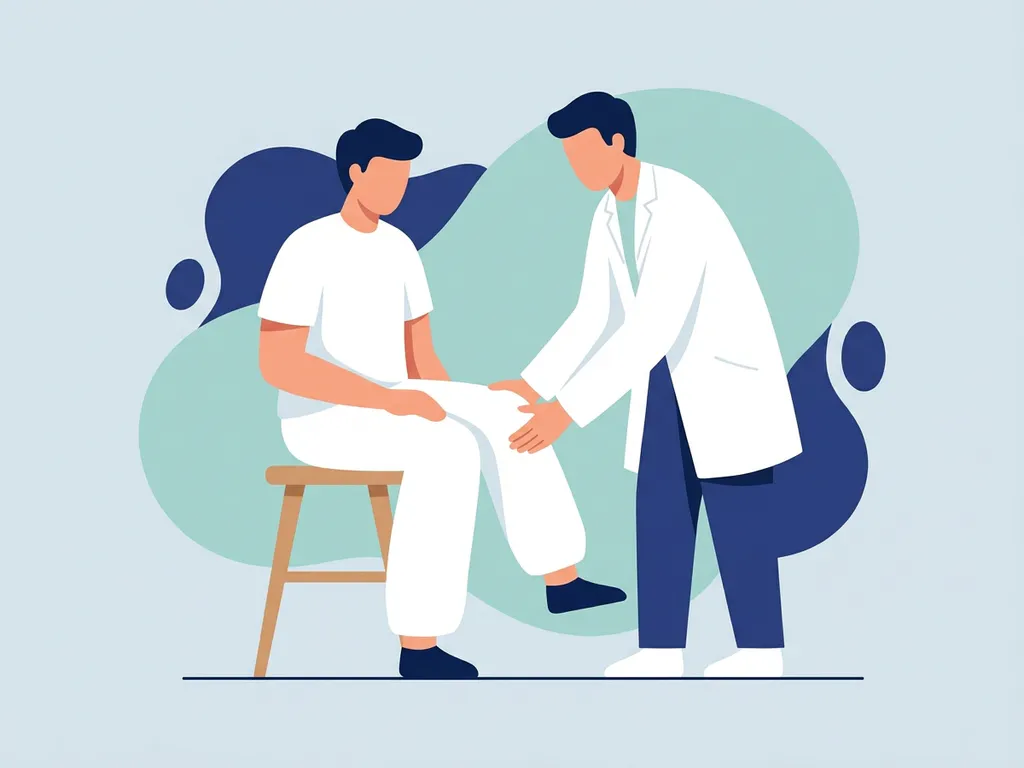
De meest effectieve oefeningen bij heupartrose zijn bewegingen die de spieren rondom het heupgewricht versterken, de beweeglijkheid verbeteren en de belastbaarheid geleidelijk opbouwen. Denk aan heupabductie-oefeningen, squats op halve diepte en looptraining op een vlak oppervlak. Deze aanpak werkt het beste wanneer de intensiteit is afgestemd op de persoonlijke situatie van de patiënt. In dit artikel beantwoorden we de meest gestelde vragen over oefeningen bij heupartrose in de regio Den Bosch.
Which exercises are most effective for hip osteoarthritis?
The most effective exercises for hip osteoarthritis are those that strengthen the muscles around the hip joint, improve mobility, and gradually increase load capacity without overloading the joint. Targeted strength training, low-impact cardio, and mobility work form the foundation of a well-rounded exercise approach for hip complaints.
For people with hip osteoarthritis, the following types of exercises consistently show the best results:
- Hip abductor strengthening: Lying side leg raises and clamshell exercises train the muscles on the outside of the hip, which are critical for joint stability during walking.
- Partial squats and chair stands: Rising from a chair repeatedly or performing shallow squats builds quadriceps and gluteal strength without placing excessive stress on the hip joint.
- Walking: Regular walking on flat, even surfaces improves circulation, maintains joint mobility, and supports a healthy body weight, all of which reduce pressure on the hip.
- Cycling on a stationary bike: The circular motion of cycling is gentle on the hip joint while effectively training the surrounding musculature and improving range of motion.
- Water exercises: Aqua therapy reduces body weight loading on the joint, allowing people with significant pain to exercise with far less discomfort.
The key principle across all these exercises is progressive loading: starting at a manageable intensity and gradually increasing over time as the joint and surrounding muscles adapt. Consistency matters far more than intensity in the early stages.
How does exercise therapy differ from rest when you have hip osteoarthritis?
Exercise therapy is significantly more effective than rest for hip osteoarthritis. While rest may temporarily reduce acute pain, prolonged inactivity weakens the muscles that support the hip joint, reduces cartilage nutrition, and often leads to a worsening of symptoms over time. Structured exercise directly addresses the root causes of hip osteoarthritis.
Cartilage in the hip joint has no direct blood supply. It depends on the mechanical compression and release of movement to absorb nutrients from the surrounding joint fluid. When you rest for extended periods, this nutrient exchange slows down, and cartilage health can decline further.
Exercise therapy, by contrast, strengthens the muscles around the hip, which absorb a significant portion of the load that would otherwise fall directly on the joint. Stronger muscles mean the joint is better protected during daily activities like climbing stairs, walking, or getting up from a chair. Research in the field of physiotherapy consistently supports active rehabilitation over passive rest for osteoarthritis management.
This does not mean pushing through sharp pain. The goal is to find the right balance: enough movement to stimulate adaptation and recovery, without triggering excessive inflammation. A well-designed exercise programme is calibrated to stay within that productive range.
What exercises should you avoid with hip osteoarthritis?
With hip osteoarthritis, you should avoid high-impact and torsional movements that place sudden, heavy loads on the hip joint. These include running on hard surfaces, jumping, deep squats beyond a comfortable range, and sports with rapid direction changes such as tennis or football. These activities can aggravate inflammation and accelerate joint wear.
More specifically, the following types of movement deserve caution:
- Running on asphalt or concrete: The repetitive impact transfers directly to the hip joint and can worsen pain and inflammation, especially in the early stages of osteoarthritis.
- Deep squats and lunges: When the hip is flexed beyond a comfortable range under load, joint pressure increases significantly. Partial movements are a safer alternative.
- Twisting or rotational sports: Movements that involve sudden rotation of the hip, such as pivoting in ball sports, place high torsional stress on already compromised cartilage.
- Heavy weightlifting without supervision: Loading the hip with heavy weights before the surrounding muscles are strong enough can cause more harm than benefit.
Importantly, “avoid” does not always mean “never.” In many cases, an experienced physiotherapist can modify these movements so they become safe and beneficial. The issue is rarely the exercise itself, but the load, depth, and frequency at which it is performed.
How often should you do exercises for hip osteoarthritis?
For hip osteoarthritis, exercising three to five times per week is generally recommended for meaningful results. Sessions do not need to be long: 20 to 30 minutes of targeted movement is often sufficient, particularly when combined with general daily activity such as walking. Consistency over months, rather than intensity in short bursts, produces lasting improvement.
Recovery time between sessions matters as well. Muscles and joints need time to adapt to the stimulus of exercise. Exercising every day at high intensity can lead to overload and increased pain, while exercising once a week rarely provides enough stimulus for the body to strengthen and adapt.
A practical approach is to alternate between strength-focused sessions and lighter mobility or walking days. This keeps the body active without accumulating too much fatigue in the hip joint. As strength and tolerance build over several weeks, the frequency and intensity can be gradually increased.
People who are just starting out, or who are recovering from a flare-up, should begin conservatively and build up slowly. Listening to your body is essential: some muscle soreness after exercise is normal and expected, but sharp joint pain during or after a session is a signal to reduce the load.
When should you see a physiotherapist for hip osteoarthritis in Den Bosch?
You should see a physiotherapist for hip osteoarthritis when pain begins to limit your daily activities, when self-directed exercise is not producing improvement after a few weeks, or when you are preparing for or recovering from a hip replacement. Early professional guidance prevents worsening and ensures you are exercising in a way that genuinely helps rather than harms.
Many people in the Den Bosch region wait too long before seeking professional help, often dismissing their symptoms as a normal part of ageing. This delay can allow muscle weakness and joint stiffness to progress further, making recovery more challenging. A physiotherapist can assess your specific situation, identify which muscles need attention, and build a programme tailored to your current level of function.
You should also consult a physiotherapist if you are unsure which exercises are safe for your situation, if you have recently been told surgery may be necessary, or if you have already had a hip replacement and want to ensure your rehabilitation is on the right track.
Hoe Vief Leven helpt bij heupartrose
Vief Leven is een gespecialiseerde fysiotherapiepraktijk die zich volledig richt op klachten aan de heup en knie door artrose. Mensen uit de regio Den Bosch die last hebben van heupartrose kunnen bij Vief Leven terecht voor een persoonlijk behandeltraject dat is afgestemd op hun specifieke situatie, doelen en belastbaarheid. Wat Vief Leven onderscheidt:
- Persoonlijk behandelplan: Op basis van een uitgebreide intake wordt een oefenprogramma samengesteld dat aansluit bij jouw klachten, conditie en dagelijks leven.
- Data-gedreven aanpak: Met behulp van geavanceerde trainingsapparatuur wordt de voortgang nauwkeurig gemonitord, zodat het programma continu kan worden bijgesteld voor optimaal resultaat.
- Begeleiding voor en na een operatie: Vief Leven begeleidt patiënten bij de voorbereiding op een heupoperatie en ondersteunt hen tijdens het herstel, ook thuis indien nodig.
- De Vitaliteitsclub: Een unieke omgeving waar mensen met artrose veilig en effectief kunnen sporten onder begeleiding van specialisten.
Wil je weten wat Vief Leven voor jou kan betekenen bij heupartrose? Neem dan vrijblijvend contact op of maak een afspraak en zet de eerste stap naar een actiever en pijnvrij leven.
Veelgestelde vragen
Can I still exercise during a hip osteoarthritis flare-up?
Yes, but you should significantly reduce the intensity and stick to very gentle movements such as slow walking, light range-of-motion exercises, or water-based activity. The goal during a flare-up is to maintain some level of movement without aggravating inflammation — complete rest is rarely the right answer. Once the flare-up settles, you can gradually return to your regular programme. If flare-ups are frequent or severe, this is a strong signal to consult a physiotherapist who can help you identify and manage the triggers.
How long does it take before exercise therapy starts to reduce hip pain?
Most people begin to notice meaningful improvements in pain and function within six to twelve weeks of consistent, well-structured exercise. However, the timeline varies depending on the severity of your osteoarthritis, your starting fitness level, and how consistently you follow your programme. It is important to set realistic expectations: exercise therapy is a long-term strategy, not a quick fix. Tracking small wins — such as walking further without pain or climbing stairs more easily — can help you stay motivated during the early weeks when progress may feel slow.
Is it safe to exercise with hip osteoarthritis if I have been told I need a hip replacement?
Absolutely — in fact, exercising before a hip replacement (known as prehabilitation) is strongly recommended. Stronger muscles around the hip before surgery lead to faster recovery, shorter hospital stays, and better outcomes post-operatively. A physiotherapist can design a prehabilitation programme that is safe given your current joint condition and surgical timeline. After surgery, a structured rehabilitation programme is equally important to restore strength, mobility, and confidence in movement.
What is the biggest mistake people make when exercising with hip osteoarthritis?
The most common mistake is doing too much too soon — starting at an intensity that the joint and surrounding muscles are not yet ready to handle, which leads to a painful flare-up and then abandoning exercise altogether. The second most common mistake is the opposite: exercising so cautiously and infrequently that the body never receives enough stimulus to adapt and improve. The sweet spot is progressive loading: starting conservatively, monitoring your body’s response, and gradually increasing the challenge over weeks and months under professional guidance.
Can losing weight reduce hip osteoarthritis symptoms, and can exercise help with that?
Yes, weight management plays a significant role in hip osteoarthritis management. Research shows that even a modest reduction in body weight can meaningfully decrease the load on the hip joint during daily activities like walking and stair climbing. Exercise supports weight management by increasing calorie expenditure and improving metabolic health, while also directly strengthening the muscles that protect the joint. Low-impact activities such as cycling, swimming, and walking are particularly effective because they burn calories without placing excessive stress on the hip.
Are there any exercises I can do at home without special equipment?
Yes, many of the most effective exercises for hip osteoarthritis require no equipment at all. Clamshells, lying side leg raises, chair stands, and gentle hip circles can all be performed at home with just a mat and a sturdy chair. These exercises target the key muscle groups — glutes, hip abductors, and quadriceps — that are most important for joint stability and pain reduction. Starting with a few sets of these movements daily is a practical and accessible way to begin building strength before progressing to more structured training.
How do I know if the pain I feel during exercise is normal or a warning sign to stop?
A useful rule of thumb is the u00222-hour ruleu0022: if pain or discomfort during or after exercise returns to its baseline level within two hours of finishing, the load was likely appropriate. Mild muscle soreness in the hours or days after a session is also normal and expected, especially when starting a new programme. However, sharp, stabbing, or worsening joint pain during an exercise, or pain that significantly increases and does not settle within two hours post-session, is a signal to stop and reduce the load. When in doubt, consult a physiotherapist rather than pushing through — getting the dosage right is one of the most valuable things a professional can help you with.