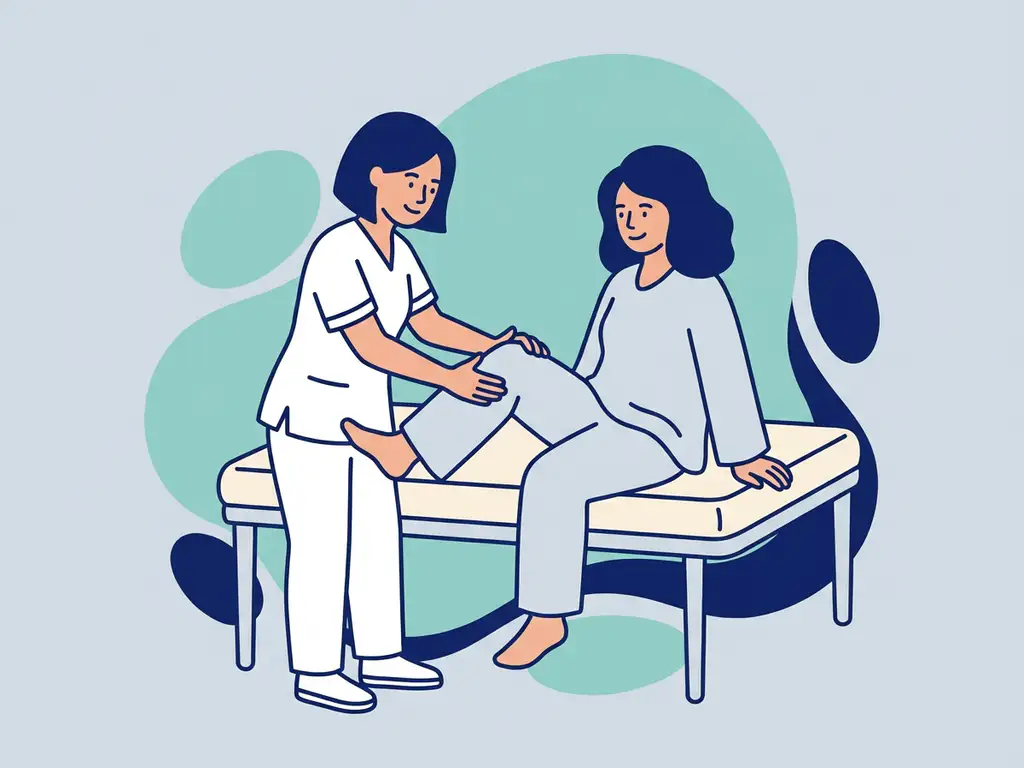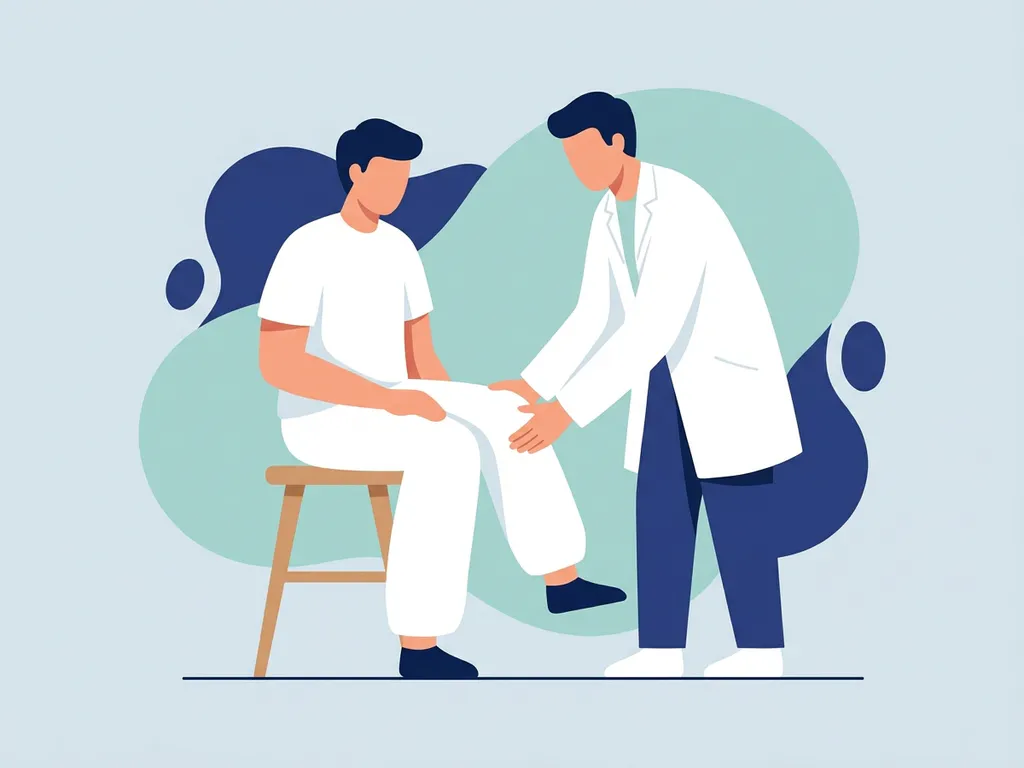
Fysiotherapie bij knieartrose richt zich op het versterken van de spieren rondom het kniegewricht, het verbeteren van de beweeglijkheid en het verminderen van pijn door gerichte oefentherapie. Voor mensen in de regio Den Bosch met knieklachten biedt gespecialiseerde fysiotherapie een bewezen aanpak die verder gaat dan pijnstilling alleen. In dit artikel beantwoorden we de meest gestelde vragen over oefeningen, herstel en wat je van fysiotherapeutische begeleiding kunt verwachten.
Which exercises are most effective for knee osteoarthritis?
The most effective exercises for knee osteoarthritis are low-impact strength and mobility exercises that target the muscles surrounding the knee without placing excessive load on the joint. Quadriceps strengthening, hip abductor training, and controlled range-of-motion movements consistently show the strongest results for reducing pain and improving daily function in people with knee osteoarthritis.
The key principle is progressive loading: starting gently and gradually increasing resistance as the joint adapts. Effective exercises typically include:
- Seated leg raises to activate the quadriceps without joint compression
- Mini squats and wall sits to build strength through a safe range of motion
- Step-ups to train functional movement patterns used in daily life
- Hip abductor exercises (side-lying leg raises) to reduce stress on the knee joint
- Calf raises to improve lower leg stability and circulation
Consistency matters more than intensity. Short daily sessions of 15 to 20 minutes produce better long-term outcomes than occasional high-effort workouts. A physiotherapist can tailor this selection to your specific joint condition and fitness level.
How does physiotherapy in Den Bosch help with knee osteoarthritis?
Physiotherapy for knee osteoarthritis in the Den Bosch region helps by combining targeted exercise therapy with education and personalized guidance to increase the load capacity of the knee joint. Rather than treating symptoms in isolation, a specialized physiotherapist builds a treatment plan around your specific situation, goals, and daily life.
A well-structured physiotherapy program for knee osteoarthritis typically includes an intake assessment to map your current mobility, strength, and pain patterns, followed by a personalized exercise plan that evolves as you progress. The physiotherapist monitors your response closely and adjusts the plan when needed, ensuring you are always training at the right level. This data-driven approach is especially valuable for people who have tried generic exercises before without lasting improvement.
What exercises should you avoid with knee osteoarthritis?
With knee osteoarthritis, you should avoid high-impact and deep-flexion exercises that place sudden, heavy loads on already compromised cartilage. These include deep squats below 90 degrees, running on hard surfaces, jumping exercises, and full lunges that push the knee far past the toes.
Twisting movements under load, such as pivoting sports like tennis or football without proper conditioning, can also aggravate inflammation in the joint. This does not mean you must avoid all activity. The goal is to replace high-stress movements with lower-impact alternatives that still build strength and mobility. A physiotherapist helps you identify which specific movements to modify based on your degree of cartilage wear and current symptoms.
Can exercise actually reduce knee osteoarthritis pain long-term?
Yes, regular exercise is one of the most effective long-term strategies for reducing knee osteoarthritis pain. Strengthening the muscles around the knee reduces the mechanical load on the joint itself, which directly lowers pain levels and slows functional decline over time.
The mechanism is straightforward: stronger quadriceps and hip muscles act as shock absorbers, distributing forces more evenly across the joint surface. This reduces the pressure on damaged cartilage during everyday activities like climbing stairs or walking. Exercise also supports joint fluid circulation, which nourishes the cartilage and can reduce stiffness. People who exercise consistently report not only less pain but also greater confidence in movement and a higher quality of daily life.
Should you exercise with knee osteoarthritis before or after surgery?
You should exercise both before and after knee surgery if a total knee replacement is planned. Pre-operative exercise, often called prehabilitation, strengthens the muscles around the knee before the operation, which directly improves post-surgical recovery speed and outcomes.
Going into surgery with stronger leg muscles means your body is better prepared to handle the physical demands of rehabilitation. Research in orthopedic care consistently shows that patients who have completed prehabilitation regain mobility faster and experience fewer complications. After surgery, guided exercise therapy is essential for restoring range of motion, rebuilding strength, and safely returning to daily activities. The transition from pre-operative preparation to post-operative recovery is smoother when physiotherapy is involved throughout the entire process.
How do you know if your knee osteoarthritis exercises are working?
Your knee osteoarthritis exercises are working when you notice gradual improvements in daily function, a reduction in resting pain levels, and greater ease with activities that previously caused discomfort. Progress is typically measured over weeks, not days, so consistent tracking matters more than day-to-day fluctuations.
Practical signs that your exercise program is effective include:
- Climbing stairs with less pain or hesitation than before
- Reduced stiffness after sitting or waking up in the morning
- Increased walking distance without significant discomfort
- Greater confidence in movements you previously avoided
- Less reliance on pain medication to get through the day
If you are not seeing these signs after four to six weeks of consistent effort, it is a strong signal that the exercise selection or intensity needs adjustment. A physiotherapist can objectively measure your strength, mobility, and pain scores at regular intervals to confirm whether progress is on track and adapt the program accordingly.
Hoe Vief Leven helpt bij knieartrose
Vief Leven is een gespecialiseerde fysiotherapiepraktijk in Tilburg die zich volledig richt op heup- en knieartrose. Voor mensen uit de regio Den Bosch die op zoek zijn naar gerichte, deskundige begeleiding bij knieklachten, biedt Vief Leven een aanpak die verder gaat dan standaard fysiotherapie. De Vief Methode combineert een persoonlijk behandelplan, gerichte oefentherapie en praktische kennis, zodat jij de regie over je eigen herstel terugkrijgt.
Wat Vief Leven onderscheidt:
- Persoonlijk behandelplan op basis van jouw klachten, doelen en dagelijks leven
- Geavanceerde trainingsapparatuur met luchtdruktechnologie voor veilige, meetbare progressie
- Begeleiding voor en na een knieoperatie, van prehabilitatie tot volledig herstel
- De Vitaliteitsclub, een unieke omgeving om veilig en effectief te blijven bewegen
- Fysiotherapie aan huis voor de eerste, meest kwetsbare fase na een operatie
Wil je weten wat Vief Leven voor jou kan betekenen bij knieartrose? Neem vandaag nog contact op en maak een afspraak voor een persoonlijk kennismakingsgesprek.
Veelgestelde vragen
How many times per week should I do physiotherapy exercises for knee osteoarthritis?
Most clinical guidelines recommend exercising 3 to 5 times per week for knee osteoarthritis, with rest days built in to allow the joint and surrounding muscles to recover. Starting with 3 sessions per week is a sensible approach for beginners, gradually increasing frequency as your tolerance improves. The key is consistency over time — even shorter sessions on more days tend to outperform infrequent, intense workouts. Your physiotherapist will help you build a weekly schedule that fits your lifestyle and current fitness level.
Can I continue walking and cycling with knee osteoarthritis, or will it make things worse?
Walking and cycling are generally among the most recommended activities for people with knee osteoarthritis, not activities to avoid. Both are low-impact, support joint fluid circulation, and help maintain the muscle strength that protects the knee. Flat-surface walking and stationary or light outdoor cycling place manageable loads on the joint while delivering real cardiovascular and mobility benefits. The important factor is pacing — start at a comfortable distance or resistance level and build up gradually rather than pushing through significant pain.
What is the difference between knee osteoarthritis physiotherapy and regular gym training?
Physiotherapy for knee osteoarthritis is specifically structured around the biomechanics and limitations of a compromised joint, whereas general gym training is designed for healthy joints without cartilage damage. A physiotherapist selects exercises based on your degree of joint wear, pain patterns, and functional goals, and continuously adjusts the program as your condition evolves. In a standard gym setting, there is no clinical oversight to catch compensatory movement patterns or flag exercises that may be quietly worsening your joint health. For people with osteoarthritis, this personalized clinical guidance is what makes the difference between short-term relief and lasting functional improvement.
Is it normal to feel more pain when I first start exercising with knee osteoarthritis?
A mild increase in muscle soreness or joint discomfort during the first one to two weeks of a new exercise program is common and generally not a cause for concern. This happens because the muscles and connective tissues around the knee are adapting to new loads they are not yet conditioned for. The important distinction is between manageable soreness that fades within 24 hours and sharp, swelling, or persistent pain that worsens over several days — the latter is a signal to reduce intensity and consult your physiotherapist. A good rule of thumb is the 2-hour rule: if pain is noticeably higher two hours after exercise than before you started, the session was likely too intense.
At what stage of knee osteoarthritis is physiotherapy still effective?
Physiotherapy is effective across all stages of knee osteoarthritis, from early-stage mild cartilage thinning to advanced cases where surgery is being considered. In earlier stages, exercise therapy can slow the progression of joint degeneration and significantly reduce pain and stiffness. In more advanced cases, physiotherapy plays a critical role in prehabilitation before a knee replacement and is essential for post-operative recovery. Even patients who ultimately need surgery consistently achieve better surgical outcomes when they have maintained muscle strength and mobility through structured physiotherapy beforehand.
How long does it typically take to see meaningful results from a knee osteoarthritis exercise program?
Most people with knee osteoarthritis begin to notice meaningful improvements in pain levels and daily function within 6 to 12 weeks of consistent, well-structured exercise. Early gains, such as reduced morning stiffness and slightly easier stair climbing, can appear within the first 4 weeks. Significant strength improvements and a sustained reduction in pain typically require 3 months or more of regular training. Because progress is gradual, keeping a simple weekly log of pain scores and functional milestones helps you recognize real gains that might otherwise go unnoticed day to day.
Do I need a referral from my doctor to start physiotherapy for knee osteoarthritis in the Netherlands?
In the Netherlands, you do not need a referral from a general practitioner (huisarts) to start physiotherapy — you can contact a physiotherapy practice directly for an intake appointment. However, whether your sessions are (partially) reimbursed depends on your health insurance policy, specifically whether you have supplementary coverage (aanvullende verzekering) that includes physiotherapy. It is worth checking your policy before starting, as the number of reimbursed sessions varies per insurer and plan. Your physiotherapist’s reception team can often help clarify what your coverage includes.