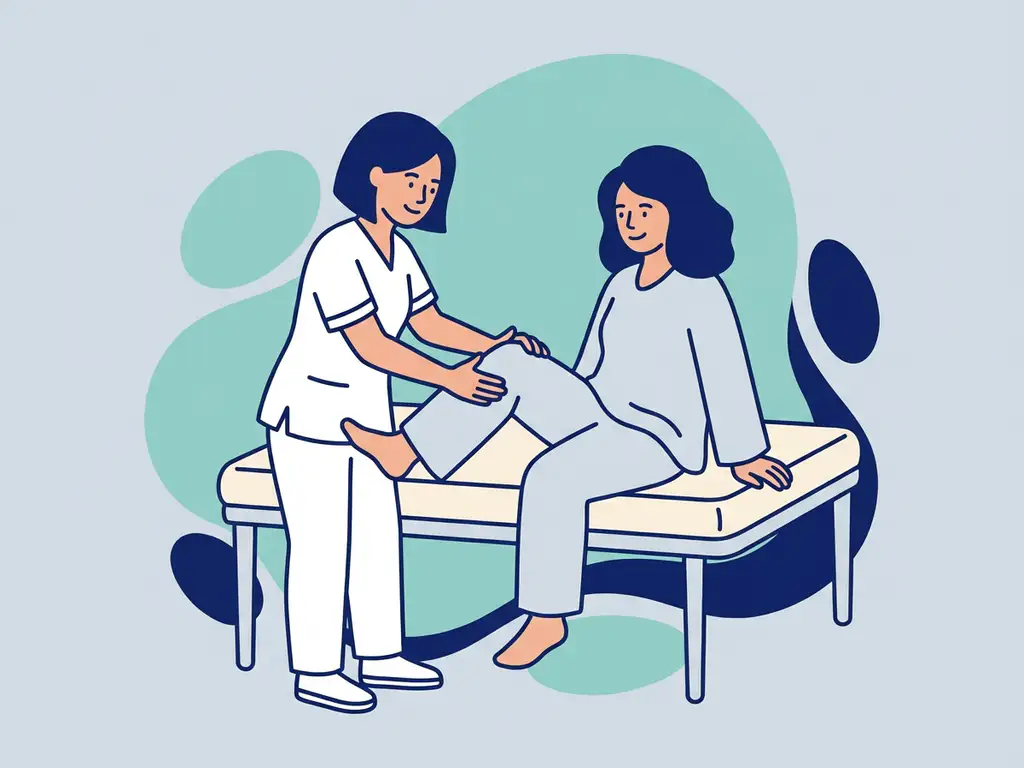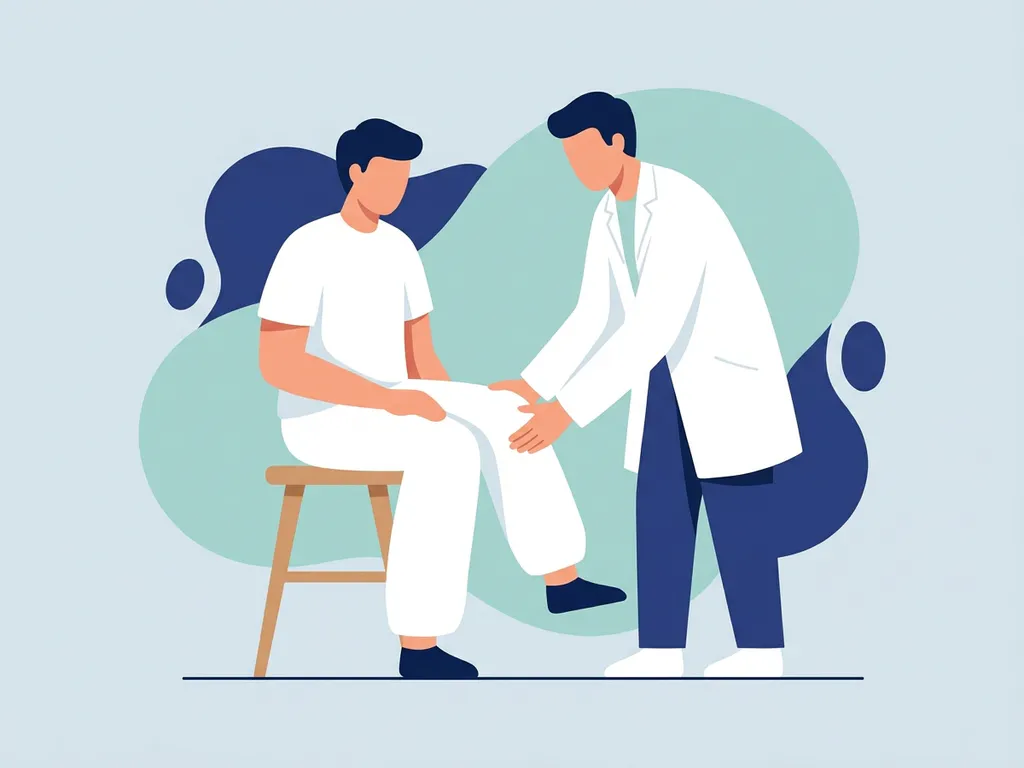
Fysiotherapie voor een knieoperatie helpt je lichaam sterker en beter voorbereid de operatie in te gaan, wat leidt tot een soepeler herstel en betere resultaten op de lange termijn. Dit geldt voor iedereen die een knievervanging overweegt of gepland heeft, ongeacht hoe ver de ingreep nog weg is. De vragen hieronder geven je een helder beeld van wat de voorbereiding inhoudt en wat je na de operatie kunt verwachten.
Why does preparing for knee surgery with physiotherapy improve outcomes?
Preparing for knee surgery with physiotherapy improves outcomes because it strengthens the muscles around the knee, improves joint mobility, and builds the physical reserves your body needs to recover faster after the operation. Patients who enter surgery in better physical condition tend to regain function more quickly and experience fewer complications during rehabilitation.
When the quadriceps and surrounding muscles are stronger before surgery, they can take over more of the load during the early recovery phase, reducing strain on the new joint. Physiotherapy also trains your body to move correctly, which makes post-operative movement patterns feel more familiar and less painful. Beyond the physical benefits, preparing actively also reduces anxiety. Knowing what to expect and feeling in control of your own body going into an operation makes a real psychological difference.
How many weeks before a knee operation should you start physiotherapy?
Ideally, you should start physiotherapy at least six to eight weeks before a knee operation. This timeframe gives your body enough opportunity to build meaningful strength and mobility improvements that will carry over into your recovery. Starting earlier is always better, but even a few weeks of focused preparation is more beneficial than no preparation at all.
The first sessions typically focus on assessing your current strength, range of motion, and movement patterns. From there, a personalized program is built that progressively increases the load on your knee in a controlled and safe way. The goal is not to push through pain, but to build capacity steadily so your body is in the best possible condition on the day of surgery.
What exercises are recommended before a knee replacement?
Before a knee replacement, the most recommended exercises focus on strengthening the quadriceps, hamstrings, and hip muscles, as well as improving balance and joint mobility. These muscle groups support the knee during everyday movements like standing up, walking, and climbing stairs, all of which become key milestones in post-operative recovery.
- Straight leg raises: Strengthen the quadriceps without putting pressure on the knee joint itself
- Seated knee extensions: Improve the range of motion and activate the front thigh muscles
- Heel slides: Gently increase knee flexion and maintain joint mobility
- Glute bridges: Activate the hip and buttock muscles that support stable movement
- Standing balance exercises: Train proprioception and stability, reducing fall risk after surgery
The specific exercises that are right for you depend on your current level of strength, the severity of your knee complaints, and how far away the surgery is. A physiotherapist will tailor the program to your individual situation and adjust it as you progress.
Can physiotherapy in Eindhoven help if surgery is still months away?
Yes, physiotherapy is highly valuable even when surgery is still months away. In fact, having more time before the operation is an advantage, not a reason to wait. The longer you have to prepare, the stronger and more mobile your knee can become, and the more confident you will feel going into the procedure.
For people in the Eindhoven region, starting a preparation program now means you can address muscle imbalances, reduce pain in daily life, and build a routine that will serve you well throughout your recovery. Physiotherapy in this phase is not just about the operation itself. It also helps you stay active and maintain your quality of life while you wait, which matters enormously for people who want to keep doing the things they enjoy.
If you are unsure whether you are a candidate for surgery or still in an exploratory phase, physiotherapy can also support you in making that decision more clearly by showing what conservative treatment can and cannot achieve for your specific knee complaints.
What should you expect from physiotherapy in the first weeks after knee surgery?
In the first weeks after knee surgery, physiotherapy focuses on reducing swelling, restoring basic range of motion, and helping you walk safely with support. Progress can feel slow at first, and that is completely normal. The primary goal in this phase is to get the joint moving gently while protecting the healing tissue.
You will typically begin with exercises that activate the muscles around the knee without placing full weight on the joint. As swelling decreases and pain becomes more manageable, the program gradually introduces more demanding movements. For many patients, being able to climb stairs independently and walk without aids within the first few weeks is a realistic and motivating milestone.
It is also common to experience unfamiliar sensations such as stiffness, occasional clicking, or a feeling of tightness in the knee. A physiotherapist helps you distinguish between normal healing responses and signs that need attention, which removes a great deal of uncertainty during what can be an emotionally challenging period.
Hoe Vief Leven helpt bij de voorbereiding op een knieoperatie
Vief Leven begeleidt mensen in de regio Tilburg en omgeving, inclusief patiënten die bereid zijn te reizen vanuit Eindhoven, bij zowel de voorbereiding als het herstel na een knieoperatie. De aanpak is persoonlijk, gericht op jouw specifieke situatie en gebaseerd op de Vief Methode: een gestructureerde werkwijze die informatie, oefentherapie en dagelijkse integratie combineert.
- Een persoonlijk behandelplan afgestemd op jouw klachten en operatieplanning
- Begeleiding met geavanceerde oefentherapie in een moderne trainingsomgeving
- Fysiotherapie aan huis in de eerste weken na de operatie, wanneer reizen lastig is
- Duidelijke voortgangsbewaking zodat het programma continu wordt bijgesteld
- Begeleiding door specialisten in knieartrose en post-operatieve revalidatie
Wil je goed voorbereid een knieoperatie ingaan en daarna zo snel mogelijk weer actief zijn? Neem een kijkje op Vief Leven of maak direct een afspraak voor een persoonlijk gesprek.
Veelgestelde vragen
Is it possible to over-prepare for knee surgery, and can too much exercise before the operation cause harm?
Over-preparing is rarely a concern when physiotherapy is guided by a professional, because the program is designed to build capacity without aggravating the joint. The key principle is progressive loading within a pain-free or manageable range, not pushing through sharp or worsening pain. If you are exercising independently, watch for signs like increased swelling, heat in the joint, or pain that lingers for more than a few hours after exercise — these are signals to reduce intensity and consult your physiotherapist.
What if my knee pain is so severe that I can barely exercise before the operation?
Severe pain before surgery does not disqualify you from pre-operative physiotherapy — it simply changes the starting point. A physiotherapist can design a program around your current limitations, beginning with gentle, non-weight-bearing exercises like straight leg raises or seated movements that build strength without loading the painful joint. Even modest improvements in muscle strength and mobility before surgery can meaningfully improve your recovery, so the goal is always to do what is possible, not what is ideal.
How soon after knee replacement surgery can I expect to walk without a walking aid?
Most patients begin walking with a walker or crutches within the first one to two days after surgery, and many progress to walking without an aid within four to six weeks, depending on their pre-operative fitness, age, and the specifics of the procedure. Patients who completed a structured pre-operative physiotherapy program often reach this milestone faster because their muscles are already conditioned to support the new joint. Your physiotherapist will guide this transition carefully to ensure you are walking with proper technique before aids are removed.
Can I continue physiotherapy at home between clinic sessions, and if so, what does that look like?
Yes, home exercise is a core component of both pre- and post-operative physiotherapy programs, and consistency between sessions is one of the biggest factors that determines how quickly you progress. Your physiotherapist will typically provide a set of exercises tailored to your current phase, with clear instructions on repetitions, frequency, and what sensations are normal versus concerning. Short daily sessions of 15 to 30 minutes are usually more effective than longer, infrequent workouts, and many clinics now offer digital tools or exercise apps to help you stay on track.
Are there any lifestyle factors — such as weight, diet, or smoking — that affect how well physiotherapy prepares me for surgery?
Yes, several lifestyle factors directly influence both the effectiveness of physiotherapy and your surgical outcomes. Excess body weight increases the load on the knee joint during exercise and recovery, so even modest weight reduction before surgery can make a meaningful difference. Smoking impairs circulation and tissue healing, which can slow post-operative recovery, and quitting or reducing smoking before surgery is strongly recommended. A diet rich in protein supports muscle building during your preparation program, making your physiotherapy sessions more effective.
What is the difference between pre-operative physiotherapy and general exercise, and do I really need a professional?
General exercise improves overall fitness, but pre-operative physiotherapy is specifically targeted at the muscle groups, movement patterns, and mobility restrictions that directly impact your surgical outcome and recovery. A physiotherapist assesses your individual weaknesses and compensatory movement habits — things that a generic exercise routine would not address — and builds a program that corrects these before they become problems post-surgery. Working with a professional also ensures you are exercising safely around a compromised joint, reducing the risk of injury in the weeks before your operation.
What are the most common mistakes people make during knee surgery recovery, and how can physiotherapy help avoid them?
The two most common mistakes are doing too much too soon — which can increase swelling and delay healing — and doing too little out of fear of pain, which leads to stiffness and muscle loss. Physiotherapy provides a structured, phase-based plan that takes the guesswork out of recovery, ensuring you are progressing at the right pace for your specific healing stage. A physiotherapist also helps you interpret what you are feeling, so you can distinguish between normal post-operative discomfort and warning signs that require medical attention.