An osteoarthritis flare-up is a temporary but significant increase in joint pain, stiffness, and swelling that goes beyond your usual day-to-day symptoms. Recognizing one early makes a real difference in how quickly you recover. For people living in the Eindhoven region and dealing with hip or knee osteoarthritis, understanding what triggers a flare-up and how to respond is an essential part of staying active and in control of your health. The sections below answer the most common questions about osteoarthritis flare-ups clearly and practically.
What triggers an osteoarthritis flare-up?
An osteoarthritis flare-up is typically triggered by a sudden increase in joint load, physical overexertion, or an inflammatory response in the affected joint. Common triggers include doing too much physical activity in a short period, prolonged standing or walking, cold or damp weather, stress, and minor joint injuries. Understanding your personal triggers is the first step toward preventing future flare-ups.
Not every trigger affects every person equally. Someone with knee osteoarthritis may notice that climbing stairs repeatedly in one day causes a flare, while another person is more sensitive to changes in weather or emotional stress. Keeping a simple diary of your activity levels, symptoms, and circumstances on difficult days can help you identify patterns over time. Once you recognize your triggers, you can make smarter decisions about pacing your activities and avoiding unnecessary strain on the affected joint.
What are the signs of an osteoarthritis flare-up?
The signs of an osteoarthritis flare-up include a noticeable increase in joint pain, increased stiffness that lasts longer than usual, visible or felt swelling around the joint, warmth in the affected area, and reduced range of motion. These symptoms are more intense than your baseline level of discomfort and typically appear within hours of a triggering event.
It is important to distinguish a flare-up from your regular osteoarthritis symptoms. During a flare, pain is often more persistent, may occur at rest, and can disrupt sleep. The joint may feel tender to the touch, and everyday tasks such as getting up from a chair or walking on an uneven surface can become noticeably harder. Recognizing these signals early allows you to respond appropriately rather than pushing through and potentially prolonging the episode.
How long does an osteoarthritis flare-up last?
Most osteoarthritis flare-ups last between a few days and two weeks. Mild flare-ups triggered by temporary overexertion often resolve within two to three days with rest and appropriate self-care. More intense flare-ups, particularly those involving inflammation, can persist for up to two weeks or occasionally longer if not managed well.
The duration depends on several factors, including the severity of the trigger, how quickly you reduce the load on the joint, and whether you apply appropriate self-care measures such as ice or heat, gentle movement, and rest. Repeatedly ignoring flare-up signals and continuing high-impact activity tends to extend the recovery period significantly. If your symptoms last longer than two weeks without improvement, that is a clear signal to seek professional guidance.
Should you exercise during an osteoarthritis flare-up?
Yes, but with important adjustments. Complete rest is rarely the right approach during an osteoarthritis flare-up. Gentle, low-impact movement such as short walks, light stretching, or swimming can help maintain joint mobility and reduce stiffness without adding harmful load. The key is to reduce intensity significantly and avoid any activity that sharpens or prolongs the pain.
Think of movement during a flare-up as maintenance rather than training. The goal is to keep the joint mobile and prevent muscles from weakening, not to make progress or push your limits. A useful rule of thumb is the two-hour pain rule: if your pain is noticeably worse two hours after an activity than it was before, that activity was too demanding. Adjust accordingly the next day. As the flare settles, you can gradually return to your regular exercise routine.
When should you see a physiotherapist about a flare-up?
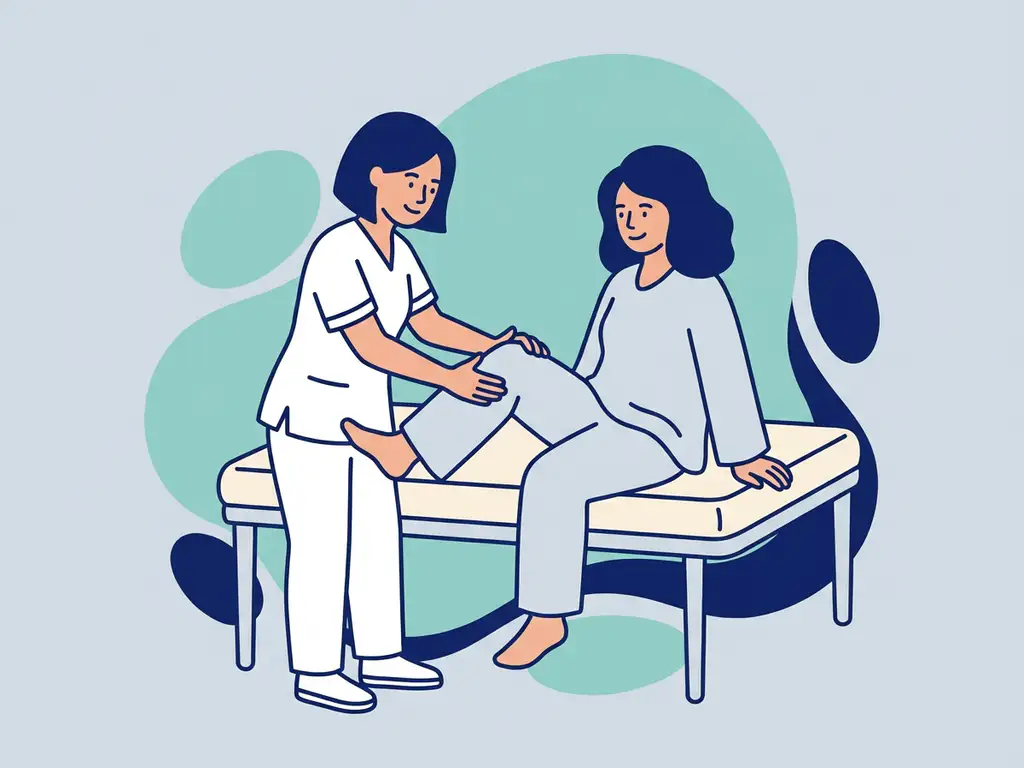
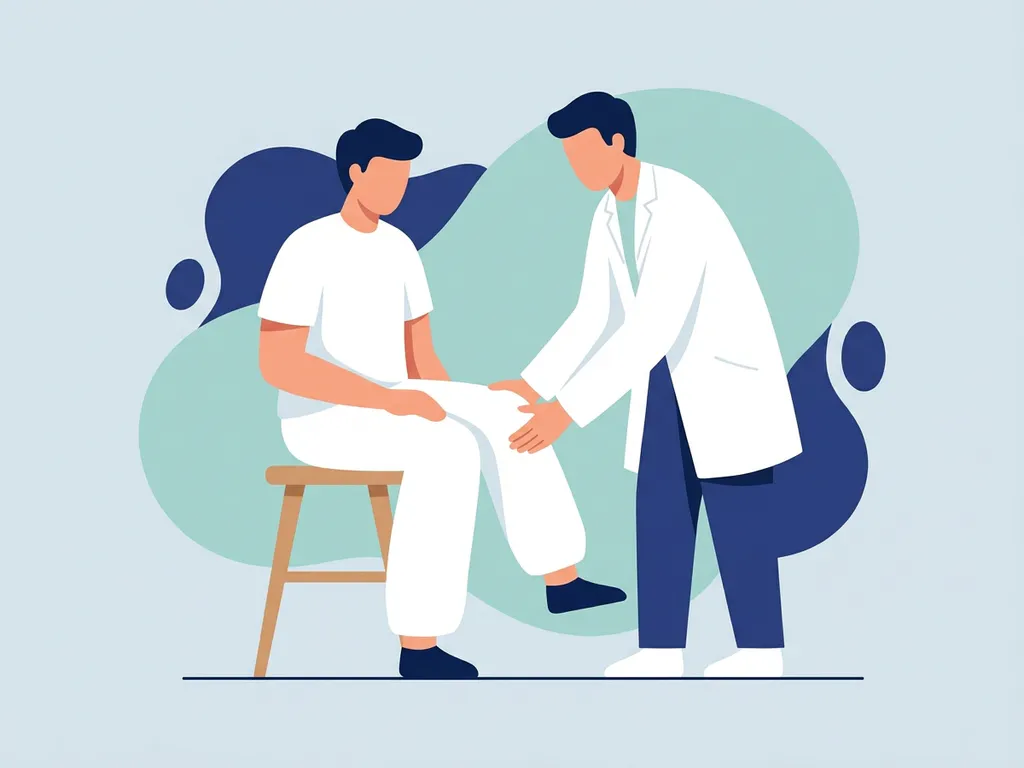
You should see a physiotherapist if a flare-up lasts longer than two weeks, if the pain is severe enough to significantly limit your daily activities, if flare-ups are becoming more frequent, or if you are unsure whether your symptoms represent a flare-up or something more serious. A physiotherapist can assess what is happening, adjust your treatment plan, and help you recover more effectively.
Many people wait too long before seeking professional support, either assuming the flare will pass on its own or feeling uncertain about whether their symptoms warrant attention. Both responses are understandable, but early guidance from a specialist can shorten recovery time and reduce the risk of a flare-up becoming a longer setback. If you are recovering from surgery or following a structured rehabilitation programme, contact your physiotherapist at the first sign of a significant flare rather than waiting to see how things develop.
Hoe Vief Leven helpt bij een opvlamming van artrose
At Vief Leven, we specialize in helping people with hip and knee osteoarthritis stay active and regain control over their daily lives, including during and after difficult flare-up periods. Our approach is personal, structured, and always focused on what your body specifically needs at this moment in your recovery.
When you come to us with a flare-up or recurring complaints, here is what you can expect:
- A personal intake and assessment to understand your specific triggers and symptom pattern
- A tailored treatment plan built around your current load capacity and daily life
- Guided exercise therapy using advanced equipment to safely build joint strength without overloading
- Clear information about what is happening in your joint and what to expect during recovery
- Ongoing monitoring and quick adjustments when your symptoms change
Whether you are dealing with knee osteoarthritis or hip osteoarthritis, our team in Tilburg is ready to support you with specialist physiotherapy that goes further than symptom management. We also welcome patients from Eindhoven and the surrounding region who are looking for expert guidance. Ready to take the next step? Make an appointment and find out how we can help you move forward with confidence.
Veelgestelde vragen
Can I use heat or ice during an osteoarthritis flare-up, and how do I choose between them?
Both heat and ice can be helpful during a flare-up, but they serve different purposes. Ice is generally best in the first 24–48 hours when the joint feels warm, swollen, or acutely inflamed — apply it for 15–20 minutes at a time with a cloth barrier to protect the skin. Heat works better for stiffness and muscle tension around the joint, particularly in the days that follow once acute swelling has reduced. If you are unsure which to use, ice is the safer starting point during an active flare.
Are there any medications or supplements that help manage a flare-up?
Over-the-counter anti-inflammatory medications such as ibuprofen or naproxen can help reduce pain and swelling during a flare-up, but should be used as directed and only if suitable for your health profile — always check with your GP or pharmacist first. Topical anti-inflammatory gels applied directly to the affected joint are another option with fewer systemic side effects. As for supplements, glucosamine and omega-3 fatty acids have some evidence behind them for general osteoarthritis management, but their impact during an acute flare is limited. Your physiotherapist or GP can help you decide what is appropriate for your specific situation.
How do I know if my flare-up is actually a sign of a different or more serious condition?
While most flare-ups follow a recognizable pattern tied to overexertion or a known trigger, certain warning signs suggest you should seek medical attention promptly rather than managing at home. These include sudden severe swelling with redness and heat that appears without a clear trigger, fever accompanying joint symptoms, or pain that is dramatically different in character from your usual osteoarthritis discomfort. These signs can occasionally indicate infection, gout, or another joint condition that requires different treatment. When in doubt, contact your GP or physiotherapist — it is always better to rule out something more serious.
What lifestyle changes can help reduce how often flare-ups occur?
Consistent, low-impact exercise is one of the most effective long-term strategies for reducing flare-up frequency, as stronger muscles around the joint absorb load more efficiently and protect cartilage. Maintaining a healthy body weight also makes a significant difference, particularly for knee and hip osteoarthritis, since even modest weight loss can meaningfully reduce joint stress. Pacing your daily activities — alternating periods of movement with rest rather than doing everything at once — helps prevent the sudden spikes in load that commonly trigger flare-ups. Small, consistent habits tend to have a far greater impact over time than dramatic short-term changes.
Is it normal to feel anxious or low in mood during a flare-up, and does stress make it worse?
Yes, it is completely normal — and the connection between mood and pain during a flare-up is well-supported by research. Pain that limits your daily activities can understandably lead to frustration, worry, or low mood, and that emotional response can in turn heighten pain sensitivity, creating a difficult cycle. Stress is also a recognized trigger for osteoarthritis flare-ups in its own right, as it can increase systemic inflammation and muscle tension around the joint. Acknowledging this connection is not a sign of weakness; it is a clinically relevant part of managing osteoarthritis, and a good physiotherapist will factor it into your care.
How do I safely return to my normal exercise routine after a flare-up has settled?
The key to returning to exercise after a flare-up is a gradual, stepwise increase in load rather than jumping straight back to your previous level. Start with the lower end of what you were doing before the flare — roughly 50–70% of your usual duration or intensity — and use the two-hour pain rule as your guide: if pain is noticeably worse two hours after exercise than before, scale back slightly the next session. Increase load in small increments every few days rather than every day, and pay close attention to how your joint responds overnight and the following morning. A physiotherapist can help you build a structured return-to-activity plan if you are unsure how to pace this process safely.
What should I tell my physiotherapist when describing a flare-up to get the most useful help?
The more specific information you can share, the better your physiotherapist can tailor your treatment. Try to note when the flare started, what you were doing in the 24–48 hours before it began, which symptoms are present (pain, swelling, stiffness, warmth), how intense they are on a scale of 0–10, and how they compare to your usual baseline. It also helps to mention what you have already tried — such as rest, ice, or modified activity — and how your body responded. If you keep a symptom diary, even brief notes, bringing it to your appointment gives your physiotherapist valuable context that speeds up the assessment process.