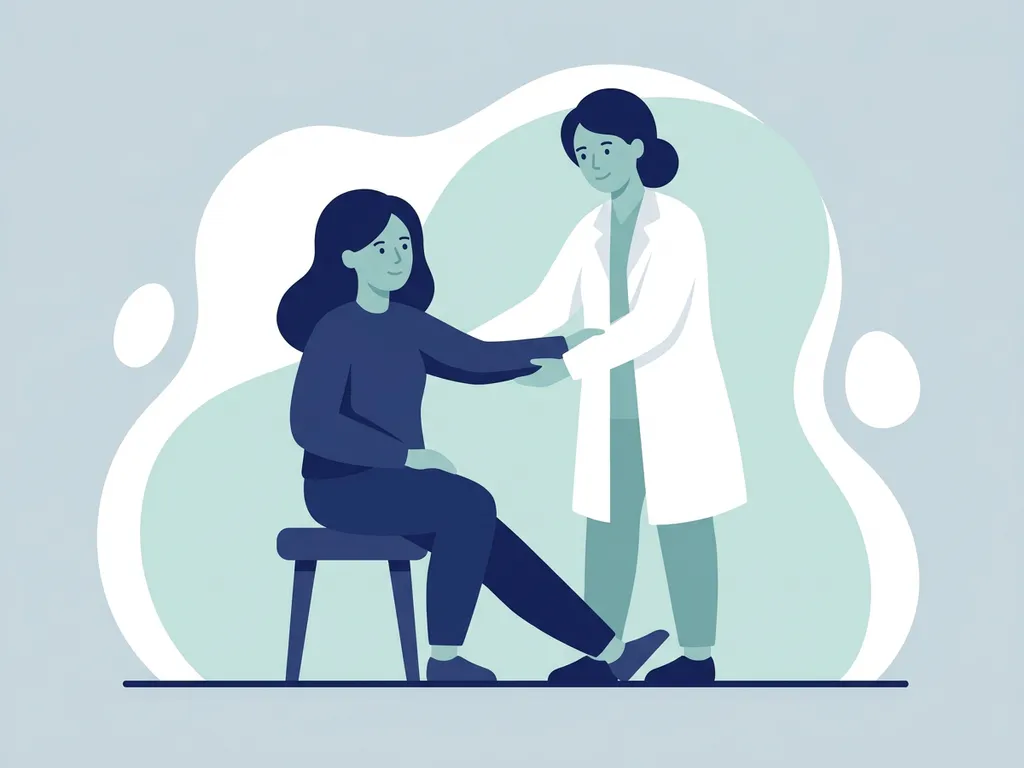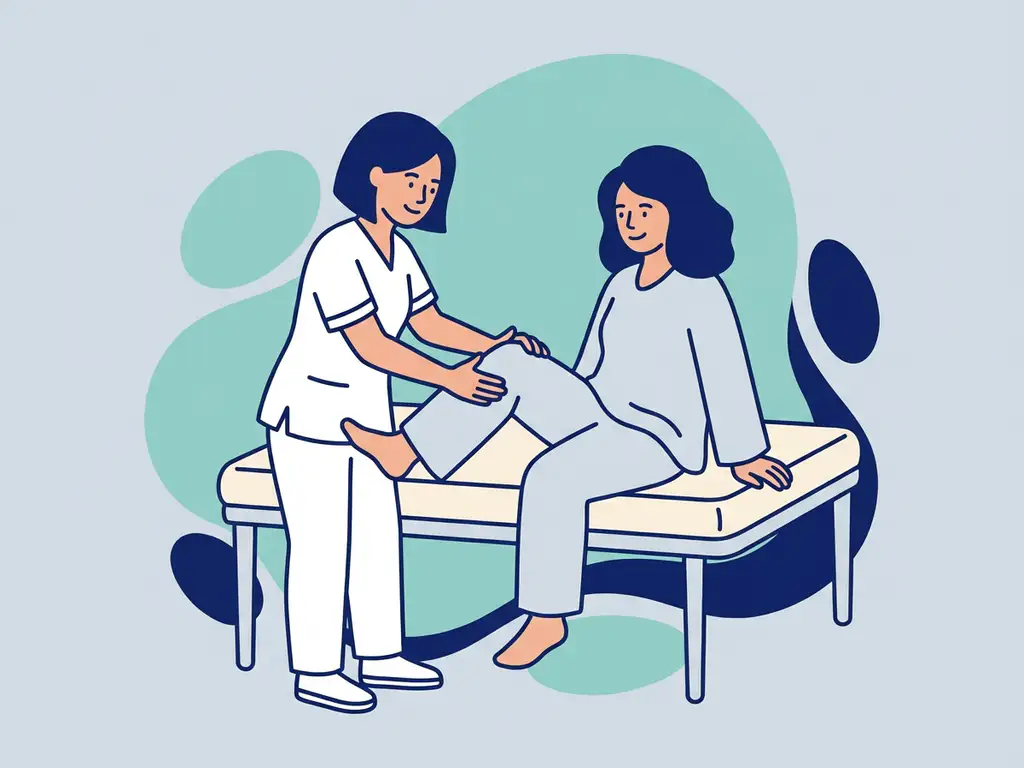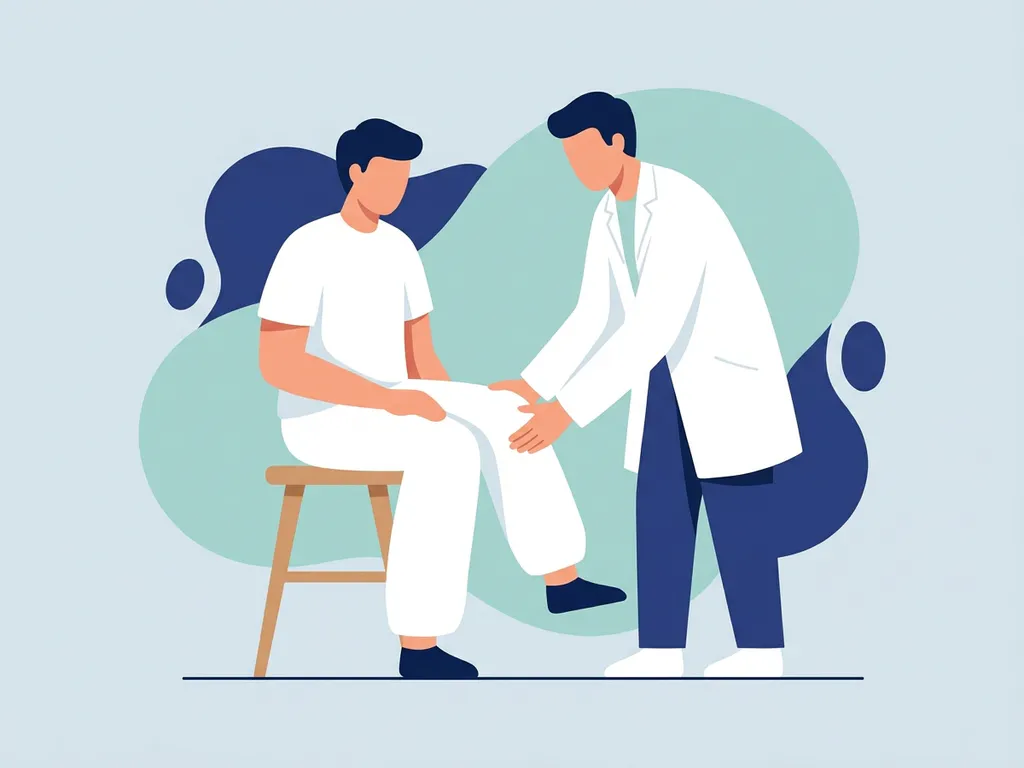
Stiffness after a hip or knee operation is common, but it is largely preventable with the right approach. The key is starting controlled movement early and following a structured physiotherapy program tailored to your specific recovery needs. The questions below cover everything from what causes post-operative stiffness to when to seek professional guidance.
What causes stiffness after a hip or knee operation?
Stiffness after a hip or knee operation develops because the body responds to surgical trauma by producing scar tissue and fluid around the joint. This is a natural healing response, but without guided movement, that tissue can restrict the joint’s range of motion. Reduced activity during the first days after surgery accelerates this process significantly.
Several factors contribute to how much stiffness a patient experiences. Swelling compresses the surrounding tissues and limits how freely the joint can move. Muscle weakness, which sets in quickly after surgery, reduces the support around the joint and makes movement feel harder and more painful. Pain itself also causes patients to guard the joint unconsciously, avoiding positions and movements that would otherwise keep the tissue flexible.
Pre-existing stiffness before the operation is another important factor. Patients who enter surgery with already limited mobility tend to face a steeper recovery curve, which is one reason preparing the body before an operation matters as much as what happens afterward.
How soon after surgery should you start moving?
In most cases, movement should begin within the first 24 hours after a hip or knee replacement. Early mobilization, guided by a physiotherapist, is now considered standard practice because it reduces swelling, prevents scar tissue from forming, and helps restore circulation to the healing tissue. Waiting too long significantly increases the risk of lasting stiffness.
The first movements are gentle and controlled: sitting up, standing with support, and taking short steps. These are not exercises in the traditional sense but signals to the body that the joint is safe to use. From there, the program builds progressively based on how the individual patient responds. Pain is a guide, not a barrier. Mild discomfort during movement is expected; sharp or worsening pain is a sign to slow down and consult a professional.
What exercises help prevent stiffness after a knee or hip replacement?
The most effective exercises for preventing stiffness after a knee or hip replacement focus on restoring range of motion, rebuilding muscle strength, and improving functional movement. These include heel slides, ankle pumps, straight leg raises, and seated knee bends in the early phase, progressing toward standing exercises and walking as recovery advances.
Consistency matters more than intensity in the early weeks. Short sessions several times a day produce better results than one long session. Exercises should always be prescribed and adjusted by a physiotherapist based on the patient’s current capacity, the type of prosthesis placed, and any surgical restrictions that apply. A standard exercise list from the internet cannot account for these individual variables.
Stretching the hip flexors and quadriceps is particularly important for knee replacement patients, while hip replacement patients benefit from focusing on glute activation and hip stabilization exercises. Both groups need to work on gait quality to avoid compensatory movement patterns that can cause secondary complaints in the lower back or opposite leg.
Does physiotherapy in Eindhoven help with post-operative stiffness?
Yes, physiotherapy is one of the most effective interventions for post-operative stiffness after a hip or knee replacement. A qualified physiotherapist provides hands-on treatment to mobilize the joint, designs a progressive exercise program, monitors recovery closely, and adjusts the approach when progress stalls. For patients in and around Eindhoven, access to specialized physiotherapy is an important factor in recovery outcomes.
The quality of physiotherapy matters as much as access to it. Practices that specialize in hip and knee complaints, use data-driven progress monitoring, and offer personalized treatment plans consistently deliver better outcomes than general rehabilitation settings. Patients who receive structured physiotherapy guidance recover range of motion more quickly and are less likely to develop chronic stiffness or movement compensation patterns.
What’s the difference between pre-operative and post-operative physiotherapy?
Pre-operative physiotherapy focuses on building strength, flexibility, and physical condition before surgery to improve the starting point for recovery. Post-operative physiotherapy focuses on restoring function, reducing stiffness, and rebuilding strength after the operation. Both phases are valuable, but they serve different purposes and use different methods.
Patients who invest in pre-operative physiotherapy typically experience less post-operative stiffness, recover faster, and regain independence sooner. This is because stronger muscles around the joint before surgery mean less atrophy during the recovery period. The body essentially has more capacity to draw from when rebuilding.
Post-operative physiotherapy begins with protecting the healing joint while encouraging movement, then gradually shifts toward loading the joint progressively to restore full function. The transition between these phases requires careful professional judgment, which is why continuity of care from a specialist who knows the patient’s history produces the best results.
When should you contact a physiotherapist after your operation?
You should contact a physiotherapist as soon as possible after your operation, ideally within the first week of returning home. Early contact allows a professional to assess your starting point, set realistic milestones, and begin a structured program before stiffness has a chance to become established. Waiting until stiffness is already limiting your movement makes recovery harder and longer.
There are also specific signs that indicate you should contact a physiotherapist without delay: if your range of motion seems to be decreasing rather than improving, if you are walking with a significant limp after the first few weeks, if swelling is not reducing, or if you are unsure whether what you are experiencing is a normal part of recovery. Uncertainty itself is a valid reason to seek guidance.
Hoe Vief Leven helpt bij herstel na een heup- of knieoperatie
Vief Leven is een gespecialiseerde fysiotherapiepraktijk in Tilburg die zich richt op mensen met klachten aan heup en knie, zowel voor als na een operatie. De praktijk biedt een persoonlijke aanpak die aansluit op jouw specifieke situatie, herstelstadium en doelen.
- Begeleiding voor de operatie om het lichaam optimaal voor te bereiden
- Gestructureerde revalidatie na een heup- of knievervanging om stijfheid te voorkomen
- Fysiotherapie aan huis in de eerste, meest kwetsbare fase van herstel
- Data-gedreven voortgangsmonitoring met snelle aanpassingen wanneer nodig
- Toegang tot de Vitaliteitsclub voor veilig en effectief bewegen met artrose
Woon je in de regio Eindhoven en zoek je gespecialiseerde begeleiding na een heup- of knieoperatie? Neem dan een kijkje op Vief Leven of lees meer over heupartrose en knieartrose. Maak direct een afspraak via afspraak maken en start met een aanpak die echt bij jou past.
Veelgestelde vragen
How long does post-operative stiffness typically last after a hip or knee replacement?
The most significant stiffness usually peaks in the first two to six weeks after surgery and gradually improves with consistent physiotherapy and movement. Most patients regain functional range of motion within three to six months, though full recovery can take up to a year depending on individual factors such as age, pre-operative condition, and adherence to rehabilitation. Patients who engage early with structured physiotherapy consistently reach their milestones faster than those who rely on rest alone.
What are the most common mistakes people make during recovery that lead to lasting stiffness?
The most frequent mistake is resting too much in the early days out of fear of pain or damaging the joint — this allows scar tissue to form and set quickly, making later mobilization much harder. Another common error is doing exercises inconsistently, such as only exercising on days that feel manageable, rather than maintaining a regular daily routine. Skipping follow-up physiotherapy appointments once the initial pain subsides is also a significant risk factor for developing long-term stiffness and compensatory movement patterns.
Is it safe to push through pain during rehabilitation exercises?
Mild discomfort and muscle fatigue during rehabilitation exercises are normal and expected — this type of discomfort signals that the tissue is being challenged and adapting. However, sharp, sudden, or worsening pain is a clear signal to stop and consult your physiotherapist, as it may indicate that the joint is being overloaded or that a movement is not appropriate for your current recovery stage. The key distinction is between productive discomfort and pain that feels wrong; when in doubt, always seek professional guidance rather than pushing through.
Can I do my rehabilitation exercises at home, or do I need to attend a clinic?
A combination of both typically produces the best results — clinic-based sessions allow your physiotherapist to monitor progress, perform hands-on joint mobilization, and adjust your program, while home exercises ensure you are maintaining movement consistently between appointments. In the very early phase after surgery, home visits from a physiotherapist can be especially valuable if mobility is limited. As recovery progresses, the balance usually shifts toward more independent home exercise with periodic clinic check-ins.
How do I know if my recovery is progressing normally or if something is wrong?
Normal recovery follows a general trend of gradual improvement — swelling reduces over weeks, range of motion increases incrementally, and walking becomes more comfortable and natural. Warning signs that something may need attention include range of motion that is decreasing rather than improving, persistent or increasing swelling beyond the first few weeks, a significant limp that is not improving, or fever and unusual warmth around the joint. If you notice any of these signs, contact your physiotherapist or surgeon promptly rather than waiting for your next scheduled appointment.
Does body weight affect recovery and stiffness after a hip or knee replacement?
Yes, body weight has a meaningful impact on recovery outcomes. Excess weight places additional load on the healing joint, can slow the reduction of swelling, and increases the effort required for early mobilization exercises. That said, recovery is absolutely achievable at any weight — a physiotherapist will tailor the exercise program to your specific capacity and adjust loading progressively so that the joint is challenged appropriately without being overloaded.
What role does nutrition and sleep play in preventing stiffness after surgery?
Nutrition and sleep are often overlooked but are critical foundations for recovery. Adequate protein intake supports muscle repair and rebuilding, while anti-inflammatory foods can help manage post-operative swelling that contributes directly to stiffness. Sleep is when the body performs most of its tissue repair, so poor sleep quality or quantity can noticeably slow recovery — if pain is disrupting your sleep, this is worth raising with both your surgeon and physiotherapist so it can be addressed as part of your overall recovery plan.