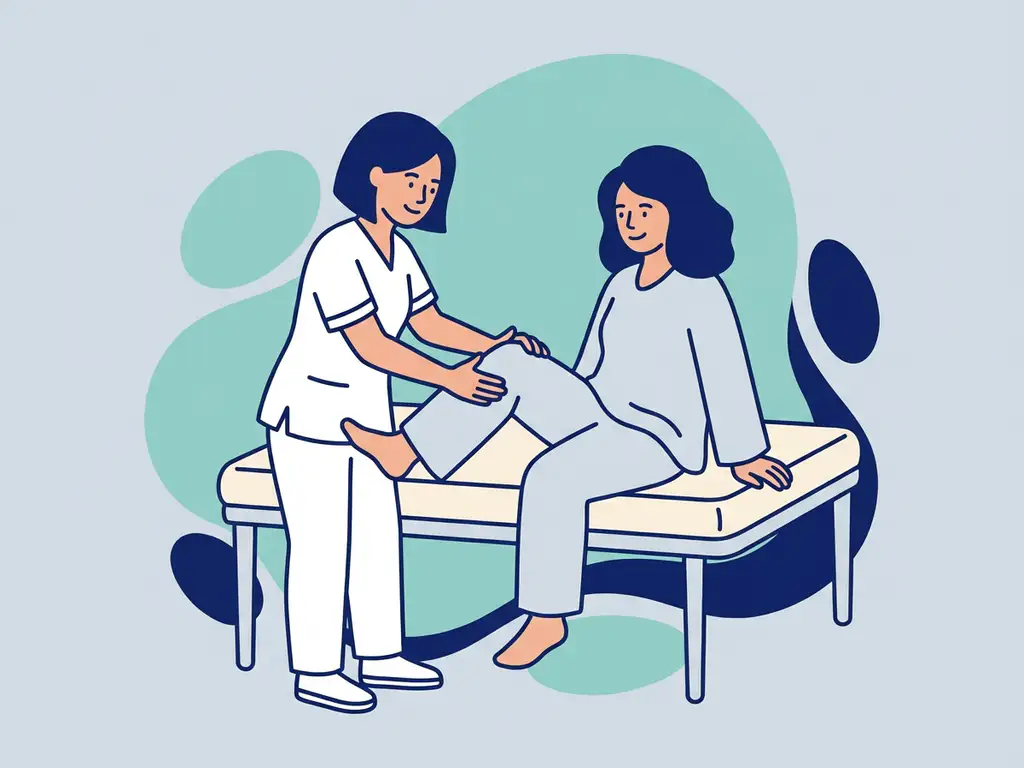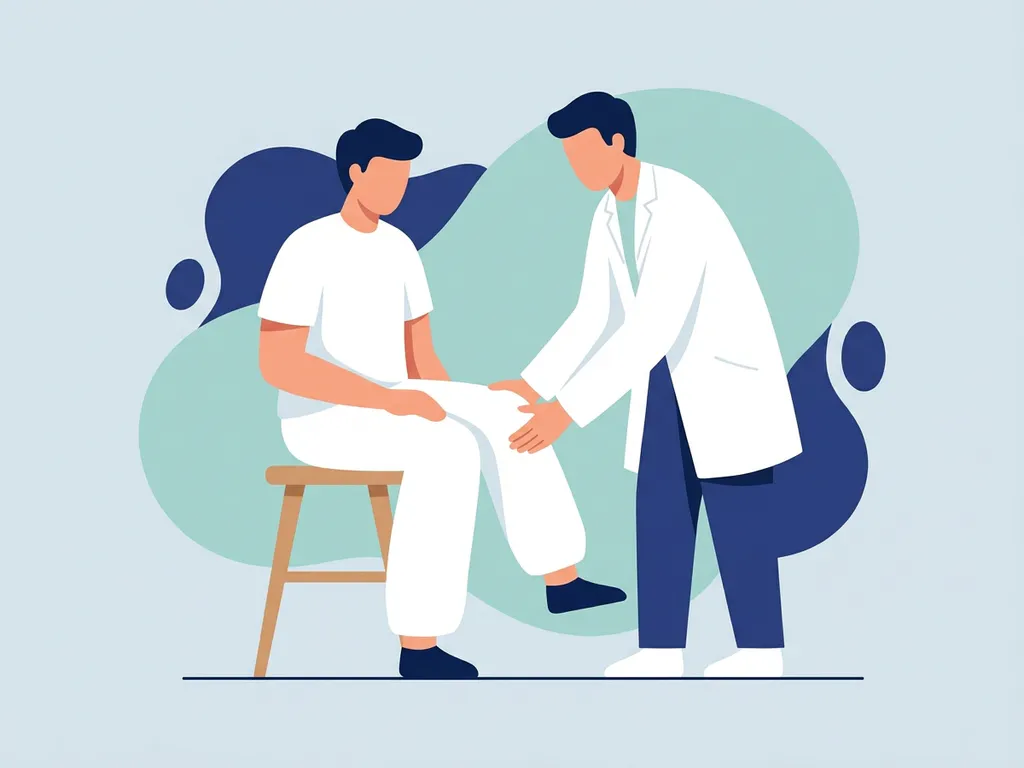
Physiotherapy for knee osteoarthritis involves a structured, personalized program designed to reduce pain, improve joint function, and help you stay active in daily life. A physiotherapist assesses your specific situation and builds a treatment plan based on your symptoms, physical condition, and personal goals. The sections below answer the most common questions people from the Eindhoven region have about this type of care.
What does physiotherapy guidance for knee osteoarthritis actually involve?
Physiotherapy guidance for knee osteoarthritis is a targeted approach that combines movement analysis, exercise therapy, and education to reduce pain and increase the load capacity of the knee joint. It goes well beyond massage or passive treatment. The focus is on activating the body, building strength around the joint, and giving you practical tools to manage your symptoms independently.
A good physiotherapy program for knee osteoarthritis typically includes the following elements:
- A thorough intake to map your symptoms, limitations, and goals
- A personalized treatment plan tailored to your physical condition and daily life
- Exercise therapy to strengthen the muscles around the knee
- Education about how osteoarthritis works and what you can do yourself
- Guidance on integrating new habits and exercises into your daily routine
The combination of movement and knowledge is key. Understanding your condition reduces fear and helps you make better choices about activity and rest.
How does exercise therapy help reduce knee osteoarthritis symptoms?
Exercise therapy reduces knee osteoarthritis symptoms by strengthening the muscles that support the joint, which lowers the pressure on the cartilage and reduces pain during movement. Contrary to what many people assume, staying active is far more beneficial than resting. Targeted exercise helps the joint function better and can meaningfully improve your quality of life.
When the muscles around the knee are weak, the joint absorbs more impact with every step. Exercise therapy addresses this directly by gradually building strength and stability. Over time, this makes everyday activities like climbing stairs, walking, or getting up from a chair noticeably easier and less painful.
Exercise therapy also has a positive effect on stiffness. Movement stimulates joint fluid, which keeps the knee more supple. A well-designed program progresses at a pace that challenges your body without overloading it, which is why personalized guidance from a physiotherapist makes a real difference compared to exercising on your own.
What should you expect during the first physiotherapy appointment for knee osteoarthritis?
During the first physiotherapy appointment for knee osteoarthritis, the physiotherapist will take time to understand your full situation before any treatment begins. You can expect a detailed conversation about your symptoms, how long you have had them, what makes them worse or better, and what you want to be able to do again. This intake forms the foundation for your personalized plan.
After the conversation, the physiotherapist will conduct a physical assessment. This typically includes testing your range of motion, strength, balance, and how you move. The goal is to identify exactly where the limitations are and what is causing them.
By the end of the first session, you will have a clear picture of your current situation and a concrete direction for your treatment. You will also receive initial advice on what you can do between sessions to support your recovery.
Can physiotherapy help if a knee replacement has already been recommended?
Yes, physiotherapy can be highly valuable both before and after a knee replacement. If surgery has been recommended, starting physiotherapy beforehand helps you go into the operation in better physical condition, which research consistently links to smoother recoveries and faster rehabilitation. After surgery, physiotherapy is essential for regaining strength, mobility, and confidence in your knee.
Pre-operative physiotherapy focuses on strengthening the muscles around the knee so they can support the new joint more effectively from day one. It also gives you a chance to learn the exercises you will need during recovery, reducing uncertainty and anxiety about the process.
Post-operative guidance addresses the specific challenges of recovery, including managing swelling, restoring range of motion, and gradually returning to daily activities. Many people worry about whether what they are experiencing after surgery is normal. A physiotherapist who specializes in this phase can provide reassurance and adjust the program quickly when progress stalls.
How do you find specialized knee osteoarthritis physiotherapy near Eindhoven?
To find specialized knee osteoarthritis physiotherapy near Eindhoven, look for a practice that focuses specifically on hip and knee symptoms rather than a general physiotherapy clinic. Specialization matters because osteoarthritis requires a different approach than acute injuries, and a specialist will have both the expertise and the equipment to offer a more targeted, effective program.
Key factors to look for include a structured treatment method, experience with exercise therapy for osteoarthritis, and the ability to guide you through surgery preparation and post-operative recovery if needed.
Vief Leven is a specialized physiotherapy practice focused entirely on hip and knee osteoarthritis, serving patients from Tilburg and the wider region including Eindhoven. The practice works with the Vief Method, a three-step approach that builds a personalized plan, activates the body through targeted exercise therapy, and integrates new insights into daily life. The training facility uses advanced air pressure technology equipment to develop data-driven treatment plans that track your progress and adapt quickly to get the best results.
Whether you are dealing with early symptoms, preparing for surgery, or recovering from a knee replacement, Vief Leven offers specialized guidance tailored to your situation. Explore more about the approach on the knee osteoarthritis page, learn about treatment costs, or go directly to make an appointment at Vief Leven.
Veelgestelde vragen
How long does it typically take to see results from physiotherapy for knee osteoarthritis?
Most people begin to notice meaningful improvements in pain and mobility within 6 to 12 weeks of consistent physiotherapy, though this varies depending on the severity of your osteoarthritis, your overall fitness level, and how consistently you follow the program. Early gains often include reduced stiffness and improved confidence in movement, while strength and endurance improvements tend to build more gradually over several months. The key is staying consistent with both your in-clinic sessions and the exercises you do at home between appointments.
Is it safe to exercise if my knee is painful or swollen?
Mild discomfort during exercise is generally acceptable and does not mean you are causing harm, but sharp pain or significant swelling are signals to scale back and consult your physiotherapist before continuing. A well-structured program is designed to stay within a safe loading range, gradually increasing intensity as your knee adapts. If you experience a flare-up, your physiotherapist can modify the program to keep you moving without aggravating the joint.
What can I do at home between physiotherapy sessions to support my progress?
Between sessions, the most impactful things you can do are consistently performing the home exercise program your physiotherapist has prescribed, staying generally active through low-impact activities like walking or cycling, and avoiding prolonged periods of sitting or inactivity. Paying attention to how your knee responds to different activities and reporting those observations to your physiotherapist also helps them fine-tune your plan. Small daily habits, such as taking regular movement breaks and managing your body weight, can make a meaningful difference in your overall progress.
Can physiotherapy completely eliminate knee osteoarthritis, or does it only manage symptoms?
Physiotherapy cannot reverse or cure osteoarthritis, as the underlying cartilage changes are permanent, but it can significantly reduce pain, improve function, and slow the progression of symptoms. Many people with knee osteoarthritis are able to return to activities they thought were no longer possible and maintain a high quality of life without surgery. The goal of physiotherapy is to give you the tools and strength to manage your condition effectively for the long term.
What is the difference between seeing a general physiotherapist and a specialist in knee osteoarthritis?
A general physiotherapist treats a wide range of conditions and may not have deep familiarity with the specific exercise protocols, progression strategies, and patient education approaches that are most effective for osteoarthritis. A specialist, by contrast, works with this condition daily and can offer a more targeted, evidence-based program that accounts for the unique nature of osteoarthritis, including how to balance loading and recovery, how to prepare for or recover from surgery, and how to adjust treatment as your condition evolves. For a chronic, progressive condition like knee osteoarthritis, that level of specialization can make a significant difference in your outcomes.
Do I need a referral from my doctor to start physiotherapy for knee osteoarthritis?
In the Netherlands, you do not need a doctor’s referral to see a physiotherapist, as you can make an appointment directly through a process called ‘direct toegang fysiotherapie’ (direct access physiotherapy). However, whether your health insurance covers the treatment without a referral depends on your specific policy, so it is worth checking with your insurer beforehand. If you have already been diagnosed with knee osteoarthritis by a doctor or specialist, bringing any relevant medical information to your first appointment can help the physiotherapist build a more informed treatment plan from the start.
How do I know if my knee pain is actually osteoarthritis and not something else?
Common signs of knee osteoarthritis include a gradual onset of pain (rather than sudden), stiffness that is worst in the morning or after sitting for a long time, a sensation of grinding or creaking in the joint, and pain that worsens with activity but improves with rest. A formal diagnosis is typically made by a doctor or specialist, often using a combination of physical examination and imaging such as an X-ray. That said, a specialized physiotherapist is also well-equipped to assess your symptoms during your first appointment and can advise you on whether a medical referral for further investigation would be beneficial.