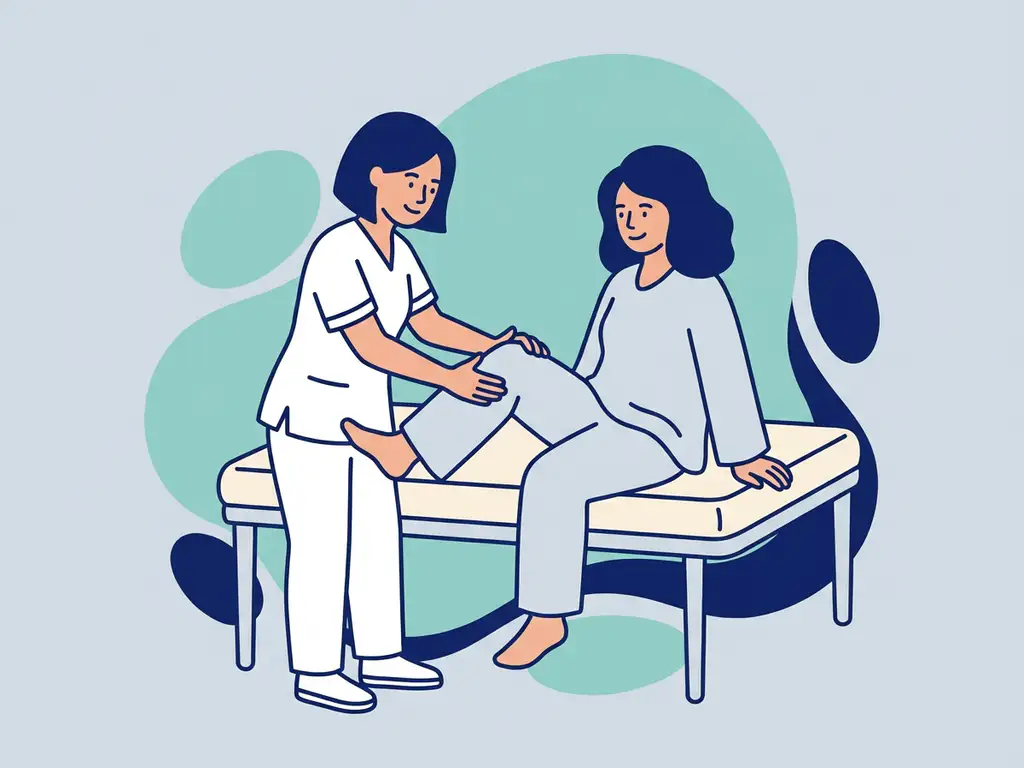
Exercises like hip flexor stretches, glute strengthening, and low-impact walking are among the most effective approaches for managing hip osteoarthritis. For people in the Eindhoven region, specialized physiotherapy offers a structured, personalized path to reducing pain and rebuilding mobility. This article answers the most common questions about exercise, physiotherapy, and surgery preparation for hip osteoarthritis.
Which exercises are most effective for hip osteoarthritis?
The most effective exercises for hip osteoarthritis are low-impact, strength-focused movements that increase muscle support around the joint without overloading it. These include glute bridges, side-lying leg raises, seated hip flexor stretches, and gentle walking. Strengthening the muscles around the hip reduces pressure on the joint itself and helps restore functional movement.
Consistency matters more than intensity. Short daily sessions of targeted exercises tend to produce better results than occasional intense workouts. A well-rounded routine typically includes:
- Strengthening exercises for the glutes, hip abductors, and quadriceps to support the joint
- Flexibility and mobility work such as hip circles and gentle stretches to maintain range of motion
- Low-impact aerobic activity like walking or cycling to keep the joint mobile without excessive strain
- Balance and stability training to reduce the risk of falls and improve overall joint control
The key principle behind all of these is progressive load: gradually increasing the challenge so the body adapts without becoming overloaded. This is why personalized guidance from a physiotherapist makes a significant difference compared to generic exercise lists.
How does physiotherapy reduce hip osteoarthritis pain?
Physiotherapy reduces hip osteoarthritis pain primarily by increasing the load capacity of the joint and surrounding muscles. When the muscles around the hip are stronger and more flexible, the joint itself bears less stress during daily activities. This directly translates to less pain when climbing stairs, walking, or getting up from a chair.
Beyond exercise, physiotherapy also addresses movement patterns. Many people with hip osteoarthritis unconsciously compensate by shifting weight or altering their gait, which can create secondary pain in the lower back, knee, or opposite hip. A physiotherapist identifies these patterns and corrects them before they cause further problems.
Education is another powerful component. Understanding what is actually happening in the hip joint, what triggers flare-ups, and how daily habits influence symptoms gives patients real control over their condition. This knowledge reduces fear and helps people stay active rather than retreating into inactivity, which tends to worsen osteoarthritis over time.
What exercises should you avoid with hip osteoarthritis?
With hip osteoarthritis, you should avoid high-impact exercises and movements that place sudden, heavy loads on the hip joint. Running on hard surfaces, deep squats with heavy weights, jumping, and sports with rapid directional changes can aggravate inflammation and accelerate joint wear. These activities stress cartilage that is already compromised.
It is equally important to avoid complete rest. Inactivity weakens the muscles that protect the hip, reduces joint lubrication, and leads to stiffness. The goal is not to stop moving but to move smarter. Exercises that cause sharp or lasting pain after the session are a signal to adjust the type, intensity, or duration of movement rather than to stop exercising altogether.
How often should you exercise when you have hip osteoarthritis?
For hip osteoarthritis, exercising at least four to five times per week is generally recommended, with a mix of strengthening and mobility work. Sessions do not need to be long. Even 20 to 30 minutes of targeted movement each day can produce meaningful improvements in pain levels and functional capacity over several weeks.
The frequency should be adapted to how the hip responds. Mild muscle fatigue after exercise is normal and expected. Pain that lingers for more than two hours after a session, however, suggests the load was too high and the routine needs adjustment. A physiotherapist can help calibrate this balance so progress continues without setbacks.
Can physiotherapy in Eindhoven help before or after hip surgery?
Yes, physiotherapy is highly beneficial both before and after hip surgery. Pre-operative physiotherapy, sometimes called prehabilitation, strengthens the muscles around the hip before the operation, which significantly improves recovery speed and outcomes afterward. Patients who go into surgery in better physical condition tend to regain mobility faster and experience fewer complications.
Post-operative physiotherapy guides the hip through a structured recovery process, restoring strength, range of motion, and confidence in movement. The early weeks after a hip replacement can be disorienting, with swelling, unfamiliar sensations, and uncertainty about what is normal. A physiotherapist provides both the exercises and the reassurance needed to progress safely.
Hoe Vief Leven helpt bij heupartrose
For people in the Eindhoven region dealing with hip osteoarthritis, Vief Leven offers a specialized approach that goes beyond generic exercise advice. The practice focuses exclusively on hip and knee osteoarthritis, which means every treatment plan is built around the specific demands of this condition. Here is what that looks like in practice:
- Personalized treatment plan based on your current complaints, mobility, and goals
- Advanced training equipment with air pressure technology that allows safe, data-driven exercise even with significant joint limitations
- Pre- and post-operative guidance to prepare for hip surgery and support recovery at home or in the clinic
- The Vitaliteitsclub, a dedicated space where people with osteoarthritis exercise safely under professional supervision
- Clear information about your specific situation so you understand your condition and feel confident managing it
Whether you are just beginning to notice hip complaints or are preparing for surgery, a personal approach makes all the difference. Explore more about hip osteoarthritis treatment at Vief Leven, or make an appointment to take the first step toward moving with more freedom and less pain.
Veelgestelde vragen
How long does it typically take to notice improvement with physiotherapy for hip osteoarthritis?
Most people begin to notice meaningful improvements in pain and mobility within 6 to 12 weeks of consistent physiotherapy. However, this varies depending on the severity of the osteoarthritis, how regularly you exercise, and whether you follow your physiotherapist’s guidance between sessions. It is important to set realistic expectations — early progress may be subtle, such as less stiffness in the morning or greater ease when climbing stairs, before more significant functional gains become apparent.
Is it normal to feel more pain when I first start exercising with hip osteoarthritis?
A mild increase in discomfort during the first one to two weeks of a new exercise program is common and generally not a cause for concern. Your muscles and joint structures are adapting to new demands, and some soreness is a normal part of that process. The key distinction is between manageable muscle fatigue that resolves within two hours and sharp, lasting pain that persists well after a session — the latter is a signal to reduce intensity and consult your physiotherapist.
Can I continue working and doing daily activities while undergoing physiotherapy for hip osteoarthritis?
In most cases, yes — physiotherapy is specifically designed to support and improve your ability to carry out daily activities, not to sideline you from them. Your physiotherapist will tailor your program around your work demands and lifestyle, whether that involves prolonged sitting, standing, or physical labor. Temporary modifications, such as taking short walking breaks or adjusting how you lift objects, may be recommended to protect the hip during your recovery period.
What is the difference between hip osteoarthritis and general hip pain, and does it change how I should exercise?
Hip osteoarthritis is a structural condition involving the gradual breakdown of cartilage within the hip joint, whereas general hip pain can stem from muscle strains, bursitis, tendinopathy, or referred pain from the lower back. The distinction matters because the exercise approach differs: osteoarthritis management prioritizes progressive joint loading and muscle strengthening, while other conditions may require rest, different movement patterns, or alternative treatments. A proper diagnosis from a physiotherapist or physician is essential before starting any structured exercise program to ensure the approach is appropriate for your specific condition.
Are there lifestyle changes beyond exercise that can help manage hip osteoarthritis symptoms?
Yes, several lifestyle factors have a meaningful impact on hip osteoarthritis symptoms. Maintaining a healthy body weight is one of the most effective non-exercise interventions, as every kilogram of excess weight adds significant load to the hip joint during walking and standing. Sleep quality, stress management, and an anti-inflammatory diet rich in vegetables, lean protein, and omega-3 fatty acids can also influence inflammation levels and pain perception. Your physiotherapist can help you identify which lifestyle adjustments are most relevant to your situation and integrate them alongside your exercise program.
How do I know if my hip osteoarthritis has progressed to the point where surgery should be considered?
Surgery is generally considered when conservative treatments — including a consistent physiotherapy program, lifestyle adjustments, and pain management — no longer provide adequate relief and quality of life is significantly affected. Common indicators include persistent pain at rest or at night, severe limitations in daily activities despite months of rehabilitation, and imaging that shows advanced joint deterioration. The decision is always made collaboratively between you, your physiotherapist, and your orthopedic specialist, and prehabilitation through physiotherapy remains valuable even when surgery becomes the chosen path.
Can I do the exercises at home, or do I need to attend a clinic for every session?
A well-designed physiotherapy program typically combines supervised clinic sessions with a structured home exercise routine. Clinic visits allow your physiotherapist to monitor your technique, adjust the program as you progress, and use specialized equipment that may not be available at home. Home sessions reinforce what you have learned and build the daily consistency that drives long-term improvement. Your physiotherapist will provide clear guidance on which exercises are safe to perform independently and how to progress them over time.